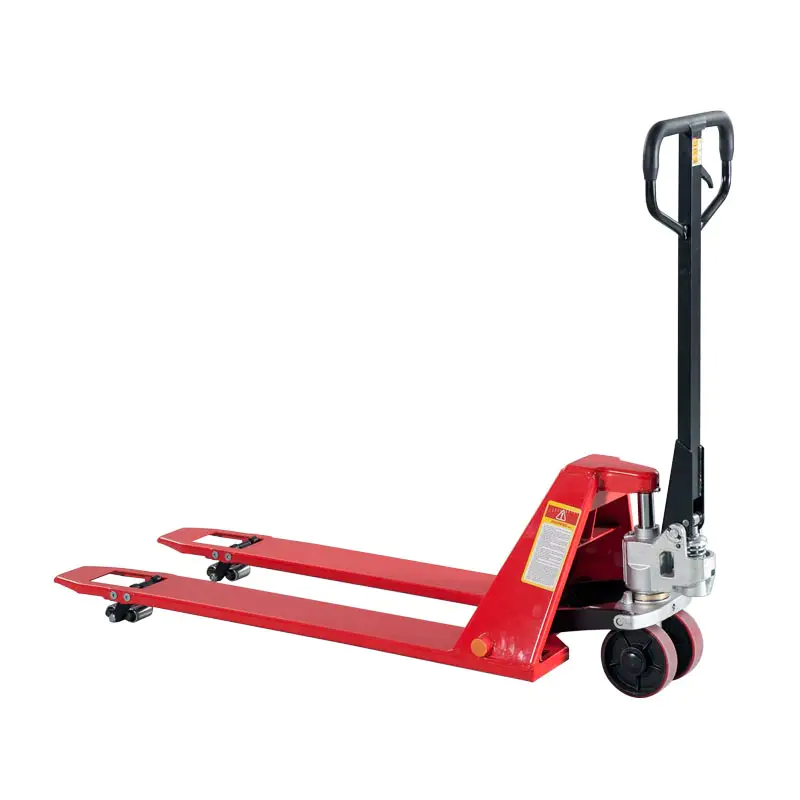
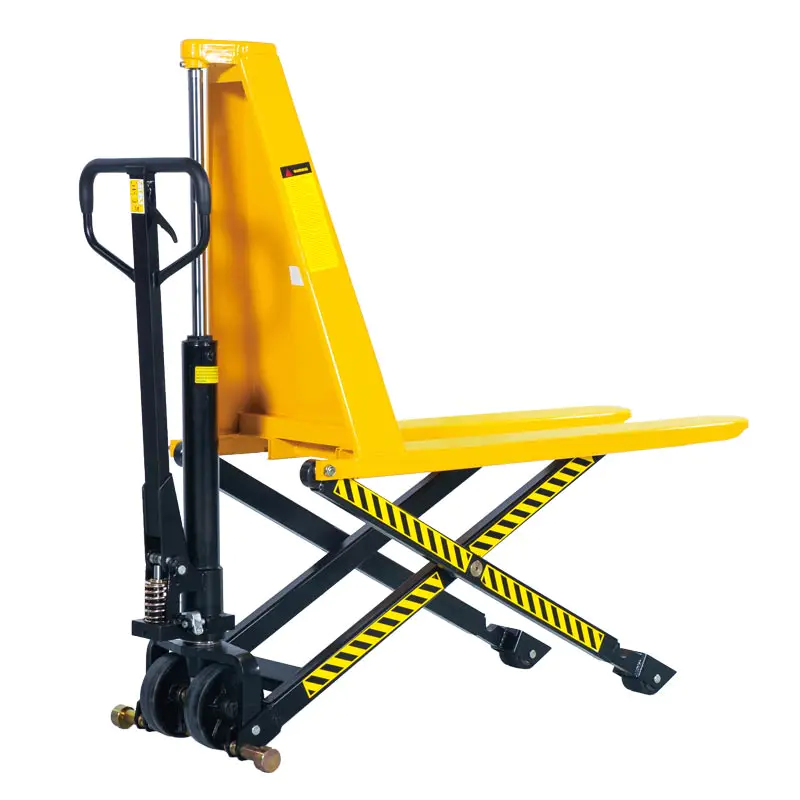
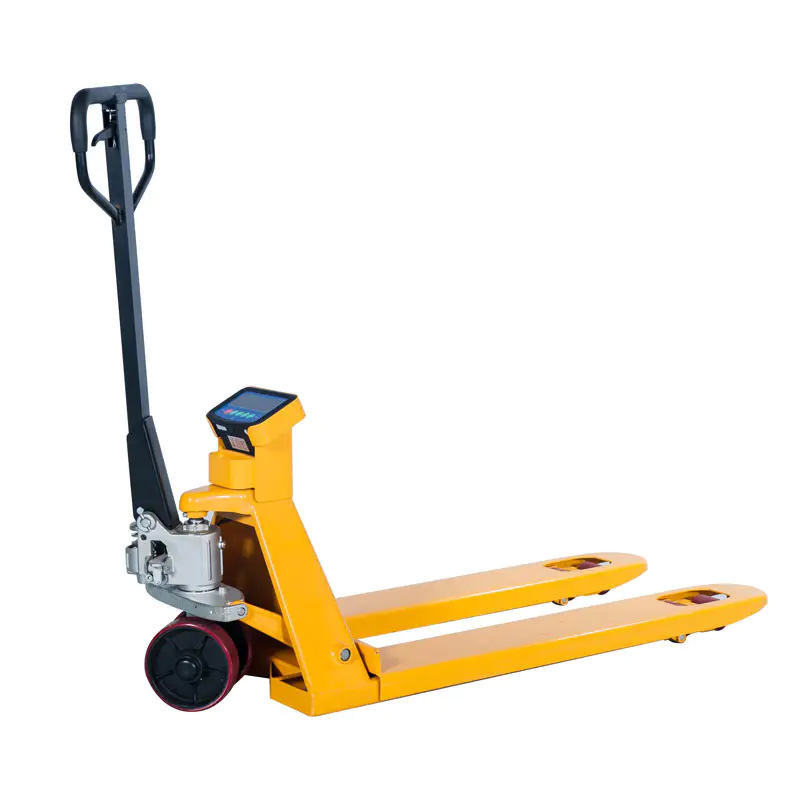
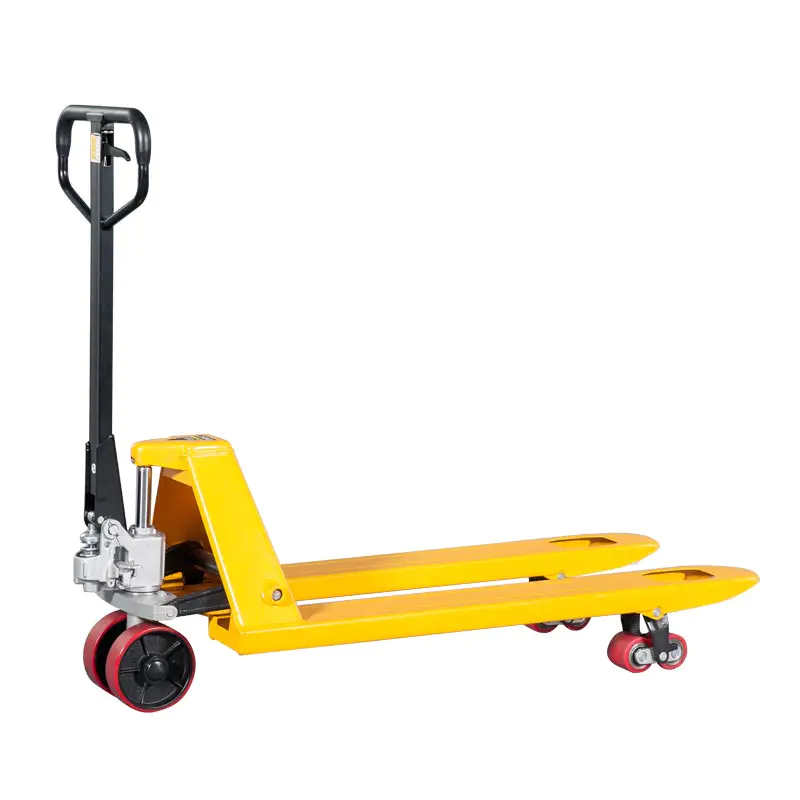
Pallet Trucks
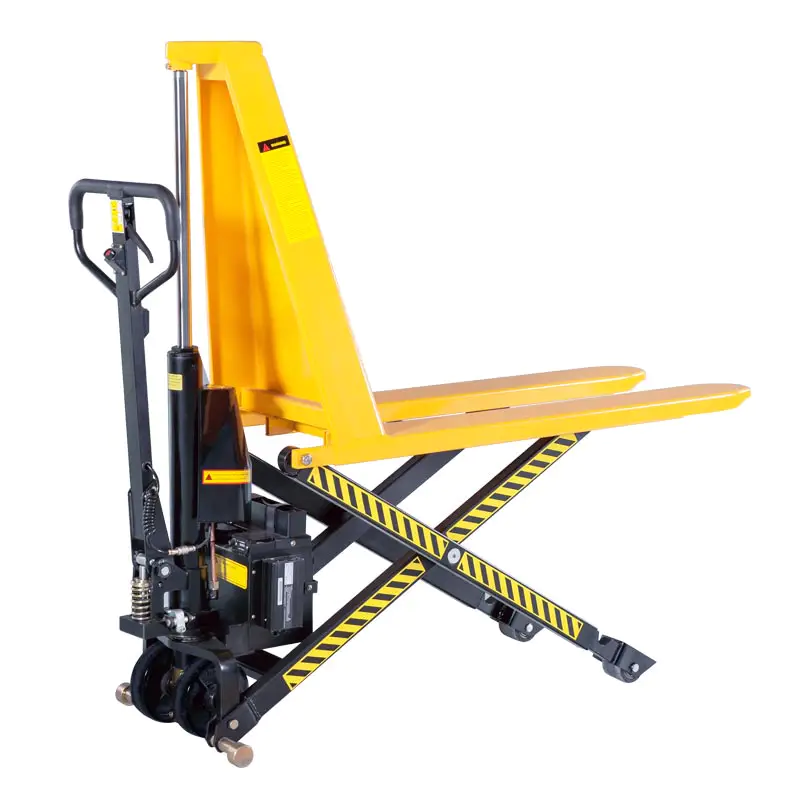
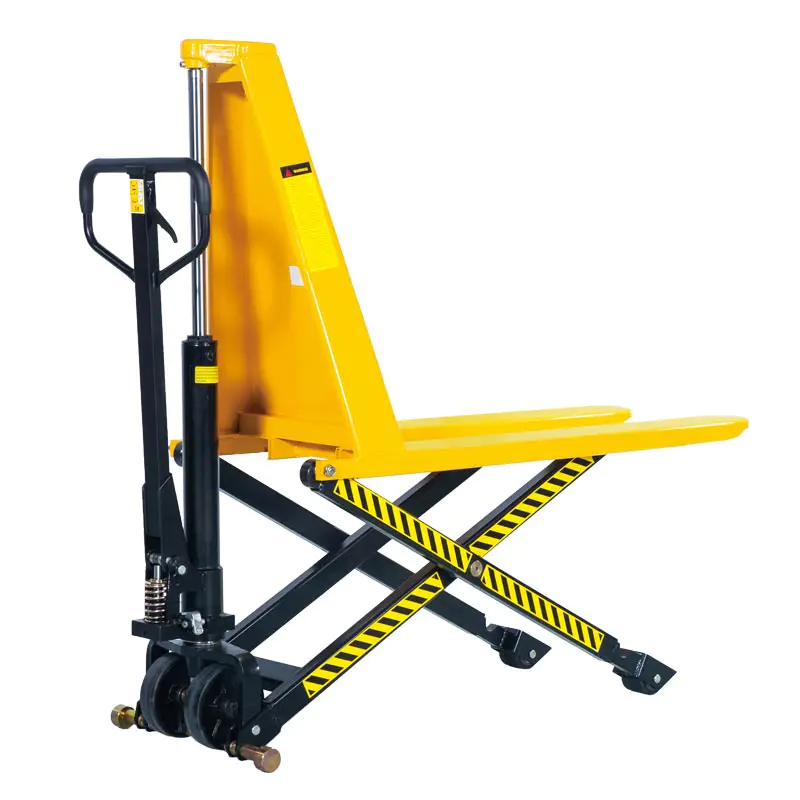
Source high-quality pallet trucks directly from vetted manufacturers and suppliers in Asia. Designed for importers, wholesalers, distributors, and equipment brands looking for reliable bulk purchasing or OEM production, our network delivers durable material handling solutions at competitive wholesale prices.
Sourcing pallet trucks in volume requires balancing unit cost against long-term structural and hydraulic reliability. When importing these essential industrial vehicles, the difference between a high-performing asset and a maintenance liability lies entirely in the factory's steel selection, welding precision, and pump assembly standards.
Key Specifications That Dictate Lifespan
When evaluating manufacturers, look past the standard 2,500 kg or 3,000 kg load ratings. The core components determine how well the truck will survive daily warehouse abuse.
Hydraulic Pump Construction
The pump is the heart of the pallet truck. Most Chinese manufacturers offer two primary pump styles, often designated as AC (Integrated Cast) and DF (Welded). Specifying the right pump is critical for your target market.
| Specification | Integrated Cast Pump (AC) | Welded Pump (DF) |
|---|---|---|
| Manufacturing Method | Single-piece casting | Multiple welded components |
| Oil Leak Resistance | High (fewer seals/joints) | Moderate (relies on weld integrity) |
| Maintenance | Easier to service | More complex to rebuild |
| Cost Profile | Premium | Economical |
Chassis and Steel Gauge
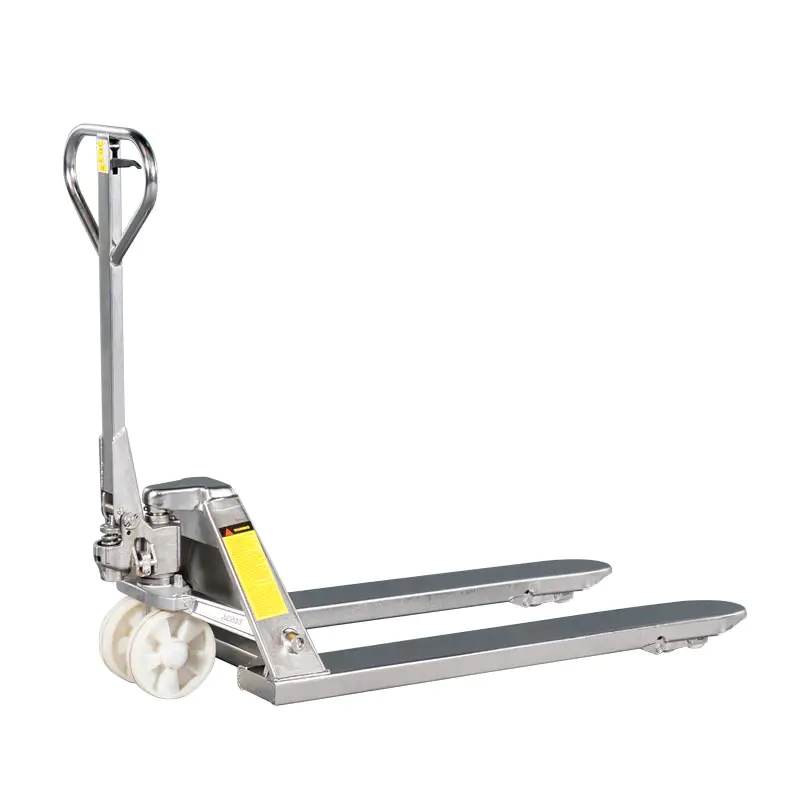
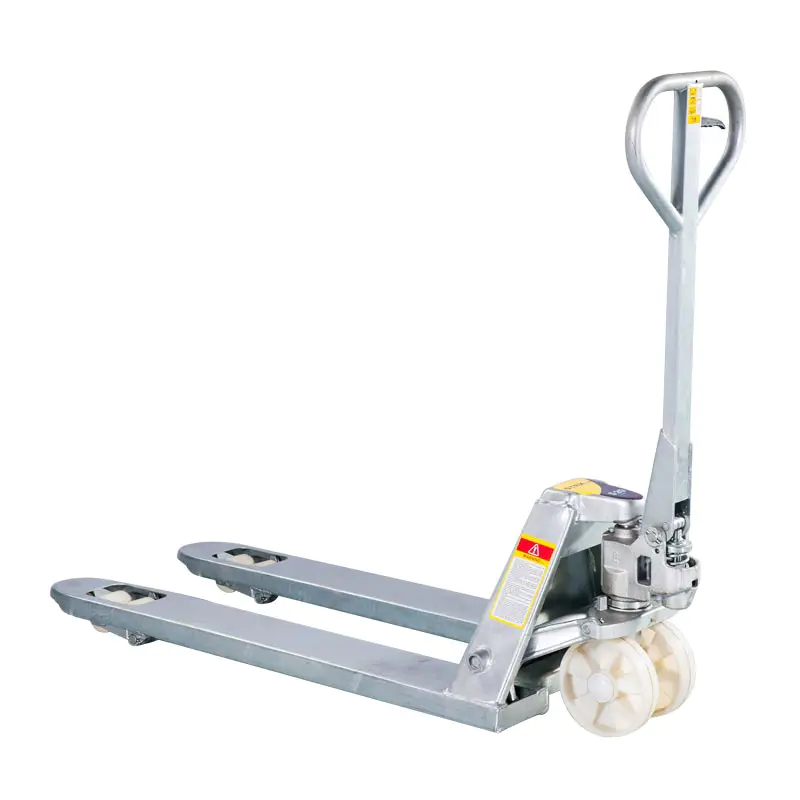
A common tactic for suppliers to reduce costs is thinning the steel plate. High-quality pallet trucks utilize 3.75mm to 4mm steel for the main chassis, while budget options may drop to 2.75mm. Thinner steel flexes under maximum load, eventually causing the forks to bow or the welds to fracture. Furthermore, pay attention to the reinforcing ribs under the forks—full-length C-channel reinforcements offer superior torsional rigidity compared to partial flat-bar reinforcements.
Need to verify a supplier's true material specifications before placing a volume order? We can help you validate factory capabilities.
Talk to our teamWheel and Roller Materials
Wheel selection must match your end-user's environment.
- Polyurethane (PU): Best for smooth, indoor epoxy floors. They operate quietly and do not mark floors, making them ideal for retail and clean warehouse environments.
- Nylon: Harder, more durable, and highly resistant to chemicals and debris. Ideal for rough concrete, cold storage, or manufacturing environments where PU would shred.
Quality Control on the Factory Floor
Even top-tier factories can experience batch inconsistencies. Proper factory audits are necessary to ensure the supplier has systematic testing protocols in place, rather than just relying on final visual inspections.
Critical Factory Inspection Points
- Weld Penetration: Inspecting fork joints and handle-base welds for porosity or cold laps.
- Hydraulic Pressure Testing: Ensuring pumps hold maximum rated capacity for an extended period without pressure drop.
- Powder Coating Thickness: Checking for uniform coverage (typically 80 to 120 microns) to prevent premature rusting.
- Tolerance Checks: Verifying fork width and length match standard pallet dimensions exactly.
- Assembly Torques: Ensuring all pivot pins and wheel axles are secured and lubricated.
Implementing strict quality control before the container is loaded prevents costly rework and reputational damage once the goods arrive in your domestic market.
Customization and OEM Production
For brands looking to establish their own line of material handling equipment, OEM/ODM services allow for extensive customization. Beyond custom RAL colors and stamped or decaled logos, you can specify handle designs (e.g., ergonomic rubber grips vs. standard plastic), specialized fork dimensions for non-standard pallets, and upgraded bearing components for extreme environments.
Pricing, MOQs, and Logistics Reality
Pallet trucks are heavy, low-margin, high-volume items. Ocean freight efficiency is a major driver of landed costs.
Minimum Order Quantities (MOQs) usually start at a 20ft container (around 144 units) to optimize production runs and shipping efficiency. LCL (Less than Container Load) shipping for pallet trucks is rarely economical due to their weight and footprint. Coordinating efficient shipping and freight is essential to maintain competitive unit economics.
Looking to optimize your container loading and landed costs? Let's discuss your shipping and sourcing strategy.
Get a free consultationFrequently Asked Questions
Sourcing pallet trucks requires strict attention to mechanical details that aren't always visible on a spec sheet. By prioritizing pump integrity, steel gauge, and rigorous pre-shipment testing, you secure equipment that performs reliably in the field. If you need experienced oversight to manage supplier vetting, production tracking, and quality assurance, our team is ready to support your procurement operations.
Get Sourcing Help for Pallet Trucks
Tell us your requirements and our experts will connect you with verified manufacturers.