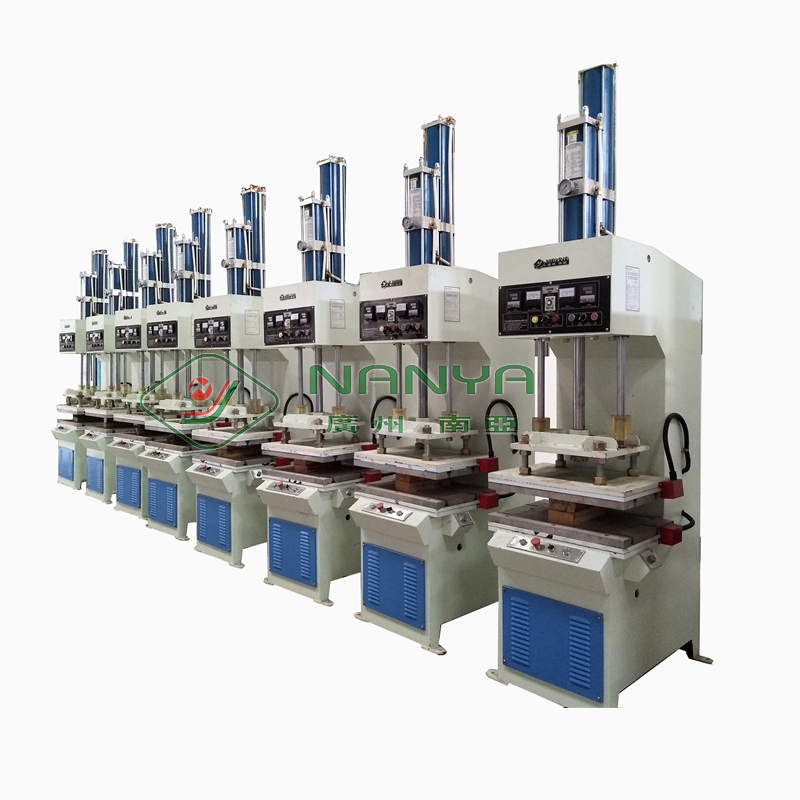
Packaging Forming Machines
Source high-performance packaging forming machines from vetted manufacturers and suppliers across Asia. Designed for industrial importers, distributors, and procurement managers, our wholesale catalog offers reliable OEM and custom production solutions for high-volume packaging lines.
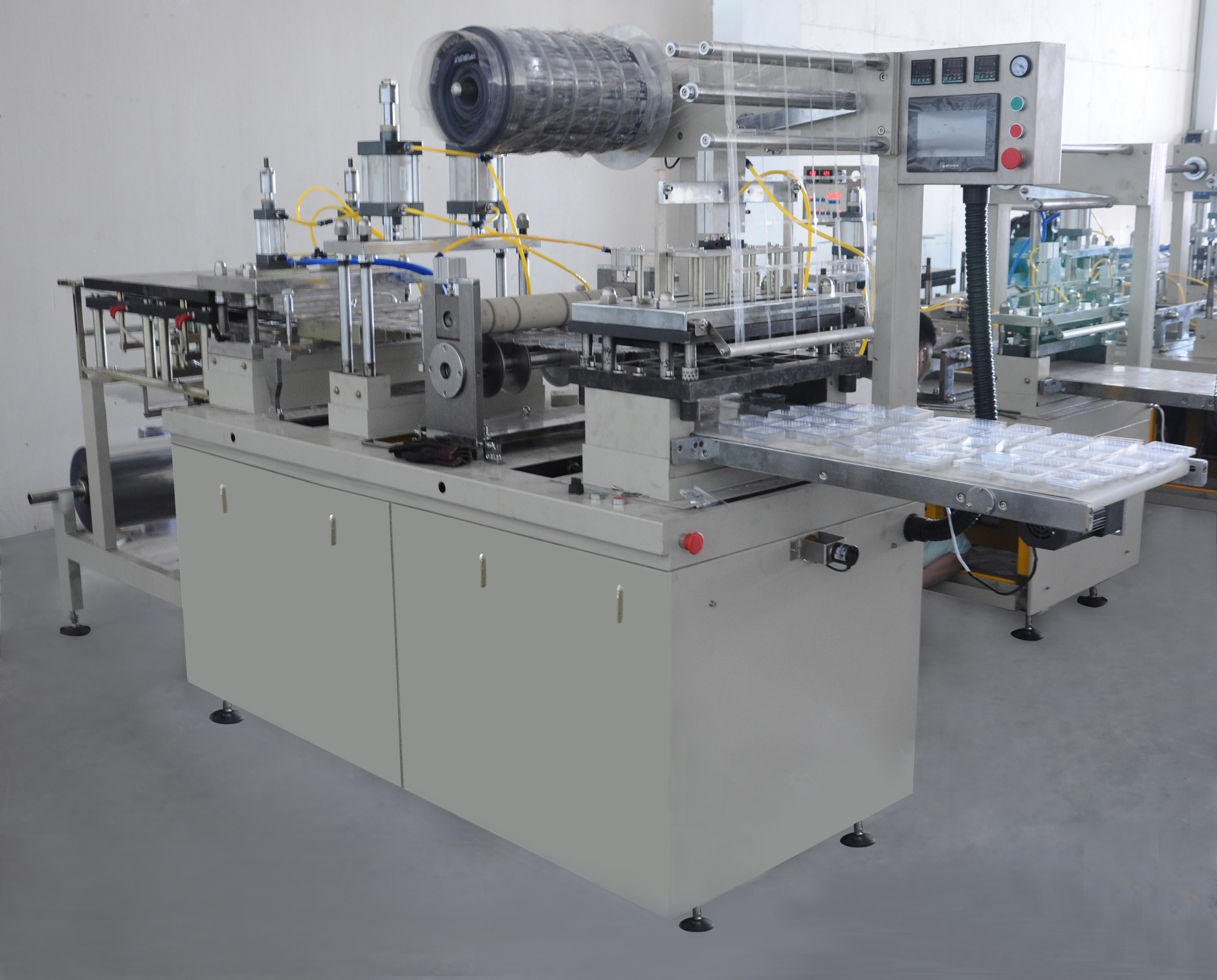
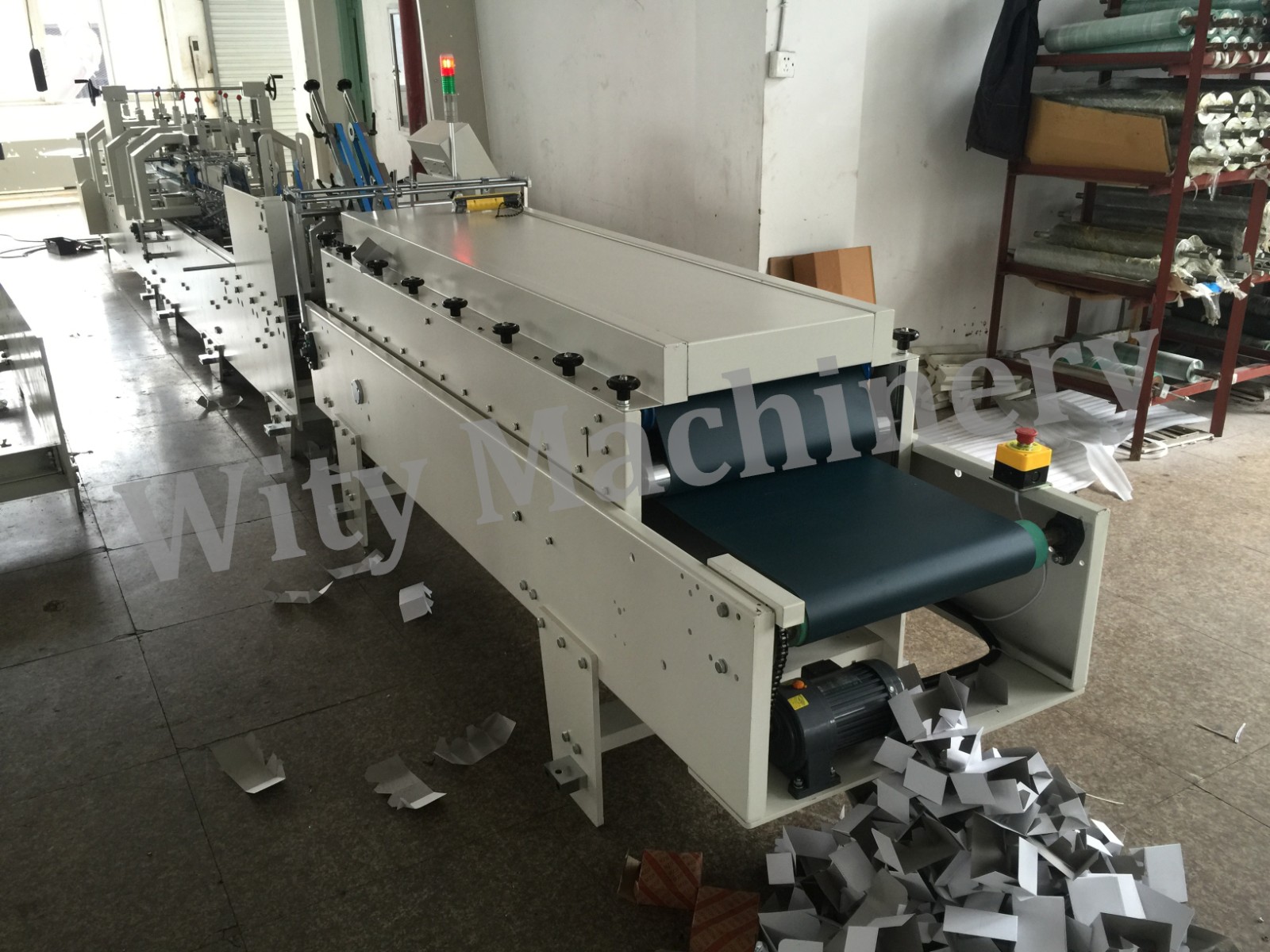
Sourcing industrial packaging forming machinery requires balancing throughput demands with precise material compatibility. Whether you are integrating thermoforming lines, carton erectors, or tray formers into an existing facility, the primary challenge lies in matching the machine's pneumatic and electronic specifications with your operational requirements while ensuring the manufacturer can deliver long-term reliability.
Critical Specifications for Forming Equipment
When negotiating with packaging machinery manufacturers, vague specifications lead to integration failures on your factory floor. Professional buyers must define exact parameters based on the materials being formed (e.g., PET, PVC, PP, or corrugated board) and the required output volume.
The choice of drive system significantly impacts both the initial wholesale price and the total cost of ownership.
| Drive System | Speed & Precision | Maintenance | Cost Profile |
|---|---|---|---|
| Pneumatic Cylinders | Moderate speed, standard precision | Requires regular seal replacement | Lower upfront, higher long-term energy cost |
| Servo-Motor Driven | High speed, exact positioning | Low physical wear, complex diagnostics | Higher upfront, lower operating cost |
Need help matching machine specifications to your production line? Get expert guidance on sourcing the right equipment.
Talk to our teamAssessing Factory Capability and Quality
Not all suppliers are true manufacturers; many are trading companies lacking the technical depth to support complex machinery. When evaluating a factory, look at their in-house machining capabilities. The best manufacturers use CNC machining centers to produce the machine frames and forming molds, ensuring the tight tolerances required for continuous operation.
Equally important is the origin of the core components. Reliable suppliers will utilize internationally recognized brands for critical parts—such as Siemens or Allen-Bradley for PLCs, Omron for sensors, and SMC or Festo for pneumatics. If a factory uses unbranded or locally sourced substitutes for these components, the risk of downtime increases exponentially. Conducting comprehensive factory audits is essential to verify these claims before placing a deposit.
Factory Acceptance Testing (FAT)
Quality control for heavy machinery cannot wait until the equipment arrives at your facility. A rigorous Factory Acceptance Test (FAT) must be conducted at the manufacturer's site using your exact packaging materials.
Essential FAT Checkpoints
- Continuous run test (minimum 4 to 8 hours) to monitor thermal stability.
- Material waste analysis to ensure scrap rates fall within specified limits.
- Emergency stop and safety interlock verification.
- Tooling changeover timing (if multiple molds are used).
- Verification of all English-language PLC interfaces and operational manuals.
Implementing structured quality control during the FAT phase ensures any mechanical adjustments or software reprogramming happens while the machine is still in the factory.
Pricing, MOQs, and Production Timelines
Industrial packaging forming machines are capital expenditures, and pricing varies wildly based on the level of automation, forming area size, and component branding.
- MOQ: The standard MOQ for industrial packaging machinery is 1 set.
- Lead Times: Typical production times range from 30 to 45 days for standard models, and 60 to 90 days for machines requiring extensive OEM/ODM services such as custom mold design or integrated robotic stacking.
- Payment Terms: Standard machinery terms are typically 30% T/T deposit with the 70% balance paid only after a successful FAT and prior to shipping.
Shipping heavy machinery requires specialized logistics. Depending on the machine's dimensions, it may fit into a standard 20ft or 40ft HQ container, or it may require Flat Rack containers for Out of Gauge (OOG) cargo. Coordinating shipping and freight early in the purchasing process prevents costly delays at the port of loading.
Planning a machinery purchase? Let us handle the supplier negotiation, FAT inspections, and international freight.
Get a free consultationFrequently Asked Questions
The true cost of a packaging forming machine is measured in its uptime and operational lifespan, not just the FOB price. Sourcing successfully means looking past the spec sheet to validate the manufacturer's engineering capabilities, component supply chain, and commitment to quality testing before shipment.
Get Sourcing Help for Packaging Forming Machines
Tell us your requirements and our experts will connect you with verified manufacturers.