PA
Source premium PA (polyamide) engineering plastics directly from vetted manufacturers and wholesale suppliers. Designed for importers, industrial distributors, and brands demanding reliable bulk production, our PA raw materials deliver the mechanical strength and thermal stability required for high-performance manufacturing.
Sourcing industrial-grade polyamide (PA) requires strict attention to compounding consistency, moisture management, and additive dispersion. When procuring engineering plastics in high volumes, the difference between a reliable production run and widespread part failure often comes down to the raw material's batch-to-batch stability. Navigating the Asian polymer market means looking past surface pricing to evaluate compounding capabilities, feedstock origins, and rigorous quality assurance.
Specifying Polyamide for Bulk Procurement
The generic "nylon" label is insufficient for technical sourcing. Buyers must specify the exact polymer base, molecular weight (often indicated by relative viscosity), and the precise modification package required for the end application.
The two most common industrial bases are PA6 and PA66, though specialized applications may require PA11, PA12, or high-temperature PA46.
| Property | Standard PA6 | Standard PA66 | PA66 + 30% GF |
|---|---|---|---|
| Tensile Strength | 70 - 85 MPa | 80 - 90 MPa | 130 - 190 MPa |
| Melting Point | 220°C | 260°C | 260°C |
| Heat Deflection (HDT 1.8MPa) | 65°C | 70°C | 250°C |
| Moisture Absorption (24h) | 1.5 - 1.8% | 1.2 - 1.5% | 0.7 - 0.9% |
Beyond the base resin, you must define the modification strategy. Glass fiber (GF) reinforcement is standard for structural parts, typically ranging from 15 percent to 50 percent. Flame retardancy (FR) is critical for electrical applications, requiring clear specification of halogenated versus halogen-free compounds to meet UL94 V-0 standards.
Compounding Quality and Factory Floor Realities
The primary risk when buying modified PA resins is poor compounding. Even if the base resin is high quality, improper extrusion and compounding lead to inconsistent mechanical properties.
The Moisture Trap
Polyamides are highly hygroscopic. If the compounding factory does not properly dry the base resin before compounding, or fails to vacuum-seal the finished pellets in moisture-barrier bags (typically aluminum-lined), the resin will hydrolyze during your injection molding process. This causes splay marks, brittleness, and catastrophic mechanical failure.
When evaluating a polymer manufacturer, look closely at their twin-screw extrusion lines and their laboratory testing capabilities. Reliable suppliers test every batch for Melt Flow Index (MFI), ash content (to verify exact glass fiber percentages), and moisture content. Implementing professional factory audits before placing large orders is the most effective way to verify that a supplier has the necessary gravimetric feeders and testing equipment, rather than relying on manual, error-prone mixing.
Pre-Shipment Verification for PA Resin
- Verify Melt Flow Index (MFI) consistency across multiple batches.
- Check ash content test results to confirm the exact percentage of inorganic fillers (e.g., glass fiber, talc).
- Ensure moisture content is under 0.2 percent prior to sealing.
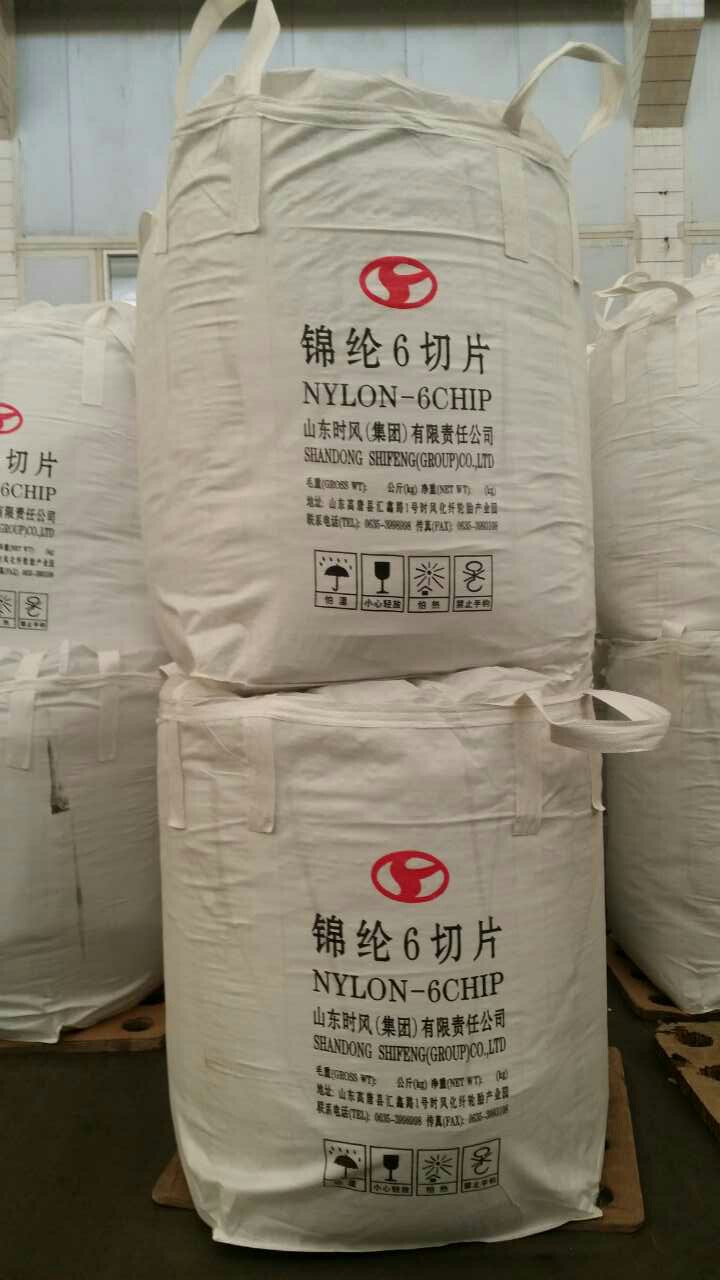
- Confirm packaging utilizes intact aluminum-foil moisture-barrier bags (typically 25kg).
- Validate RoHS and REACH compliance documentation for flame-retardant grades.
Struggling with inconsistent PA resin batches? Let our materials experts help you vet capable compounding factories and establish strict quality controls.
Talk to our teamPricing, MOQs, and Lead Times
Polyamide pricing is directly tied to global petrochemical feedstock costs—specifically caprolactam for PA6, and adipic acid/hexamethylenediamine for PA66. Because PA66 relies on more complex intermediates, it historically commands a premium over PA6, though this gap fluctuates based on global supply chain dynamics.
When negotiating bulk contracts, establish whether the price is tied to a specific feedstock index. For custom compounds (e.g., specific color matching, UV stabilization, or anti-static properties), expect longer initial lead times as the factory dials in the formulation. To ensure the final material meets your regulatory requirements, integrating independent compliance testing into your sourcing workflow is highly recommended before the first container ships.
Need to secure reliable pricing and stable supply for bulk engineering plastics? We can negotiate terms and manage the supply chain on your behalf.
Get a free consultationBuyer FAQ
Procuring bulk PA resin is not a simple commodity transaction; it is an investment in the structural integrity of your final products. Success requires partnering with compounders who maintain rigorous process controls, transparent feedstock sourcing, and verifiable batch testing.
Get Sourcing Help for PA
Tell us your requirements and our experts will connect you with verified manufacturers.