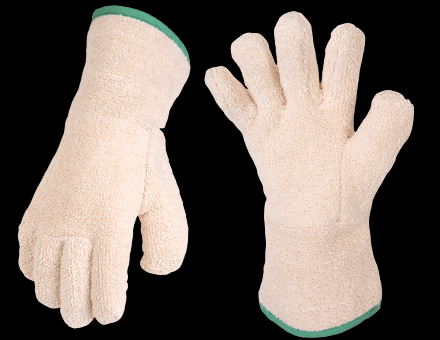
Oven Mitts
Source premium oven mitts from vetted manufacturers and suppliers across Asia. Designed for importers, wholesalers, distributors, and kitchenware brands looking for reliable wholesale and OEM production, our network delivers certified heat resistance, consistent quality, and scalable manufacturing.
Sourcing commercial or consumer-grade oven mitts at scale requires a strict balance between thermal protection, dexterity, and material compliance. Whether you are procuring heavy-duty aramid fiber gloves for commercial kitchens or custom-printed cotton mitts for a retail home goods line, a millimeter of missing insulation or an uncertified silicone batch can lead to product failure and liability.
To build a reliable supply chain, volume buyers must look beyond unit price and define clear specifications for materials, stitching construction, and regulatory compliance before production begins.
Material Specifications & Heat Resistance
The core function of an oven mitt dictates its material composition. Factories typically specialize in either textile-based production (cut-and-sew operations) or silicone molding. Mixing these materials requires a manufacturer capable of handling multi-process assembly.
| Material Type | Typical Max Temp | Key Cost Drivers |
|---|---|---|
| Quilted Cotton | Up to 200°C (400°F) | Fabric GSM, padding thickness, print complexity |
| Silicone (Food Grade) | Up to 260°C (500°F) | Tooling costs, FDA vs. LFGB standard raw materials |
| Aramid Fiber (Kevlar/Nomex) | Up to 500°C (932°F) | Fiber purity, yarn weight, non-slip silicone coating |
| Neoprene | Up to 260°C (500°F) | Material thickness (typically 3mm-5mm), seam sealing |
When specifying textiles, define the outer shell GSM (Grams per Square Meter) and the inner filling material. Recycled cotton filling is cheaper but can clump after washing, whereas polyester fleece or layered needle-punched cotton provides consistent thermal barriers. For silicone components, you must specify the shore hardness (typically 40-50A for optimal dexterity) and the curing process.
Need help verifying material compliance and factory capabilities before placing a volume order?
Talk to our teamManufacturing Tolerances & Quality Control
The manufacturing floor is where protective qualities are either secured or compromised. In textile mitts, the critical failure points are the seams and the internal padding stability.
Critical Pre-Shipment Inspection Points
- Seam strength: Ensure double-stitching on high-stress areas (thumb crotch and cuff).
- Padding distribution: Verify quilting patterns penetrate all layers to prevent filling shift during washing.
- Silicone curing: Check for white residue or chemical odors indicating incomplete vulcanization.
- Dimensional tolerance: Confirm cuff length and internal width match specifications to ensure universal fit.
- Needle detection: Mandate metal detection passes for all textile-based kitchenware.
Implementing rigorous Quality Control & Inspection protocols is non-negotiable. In-line inspections should verify that the internal lining is securely anchored to the fingertips; otherwise, the lining will pull out when the user removes the mitt.
Regulatory Compliance & Testing
Oven mitts are not just kitchen accessories; in many jurisdictions, they are regulated safety items.
In the European Union, oven mitts designed for protection against heat are classified as Personal Protective Equipment (PPE) under Regulation (EU) 2016/425 (Category II). They must undergo EN 407 testing for thermal risks and carry the CE mark. In the US, while not strictly classified as PPE for home use, any silicone or material expected to come into contact with food must meet FDA 21 CFR 177.2600 standards.
If your target market requires LFGB (European) silicone standards, expect raw material costs to be 10% to 15% higher than FDA-grade silicone due to stricter off-gassing limits. Partnering with a sourcing team that understands Compliance & Testing ensures your shipments won't be held up at customs.
Buying Mechanics: MOQs, Lead Times, and OEM
Understanding standard factory requirements helps in negotiating terms and planning inventory cycles. Most manufacturers are highly receptive to OEM/ODM Services, allowing for custom branding, unique silicone grip patterns, and proprietary textile prints.
Custom dyed fabrics or specialized aramid fibers will push MOQs higher, often dictated by the raw material supplier rather than the cut-and-sew factory.
Looking for accurate pricing, MOQs, and lead times for your custom oven mitt designs?
Get a free consultationFrequently Asked Questions
Successfully sourcing wholesale oven mitts requires looking past surface aesthetics to validate the underlying thermal barriers, construction integrity, and regulatory compliance. By clearly defining material standards and enforcing strict quality control on the factory floor, you can protect both your end-users and your brand's reputation.
Get Sourcing Help for Oven Mitts
Tell us your requirements and our experts will connect you with verified manufacturers.