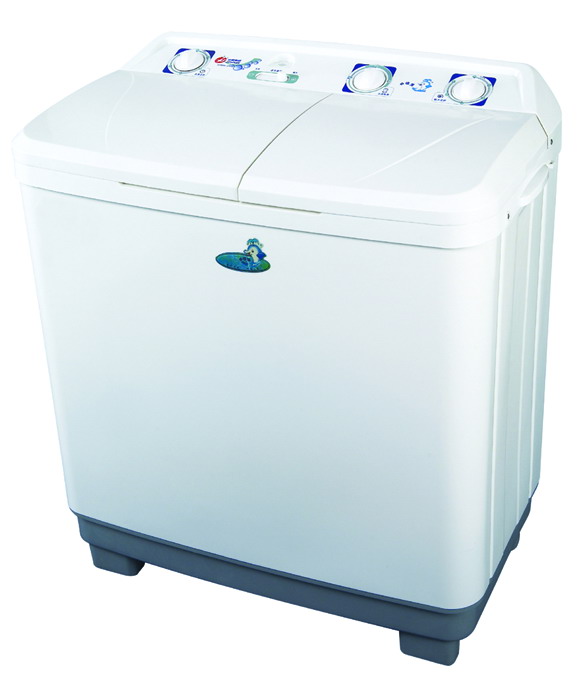
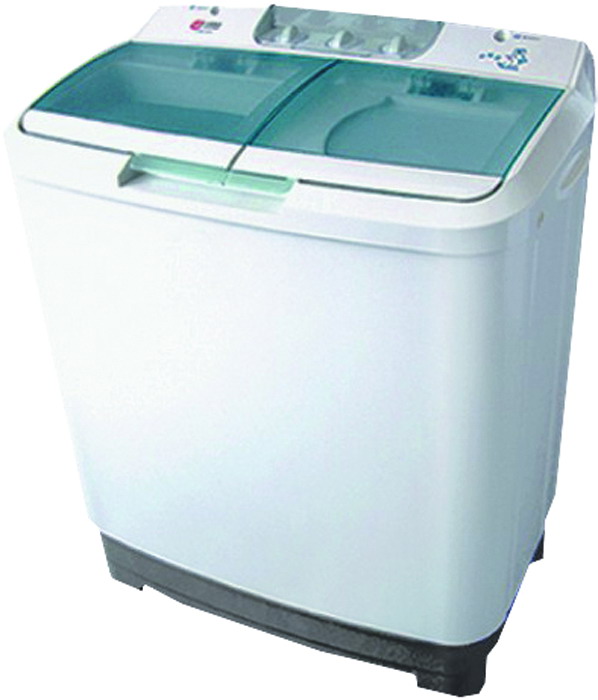
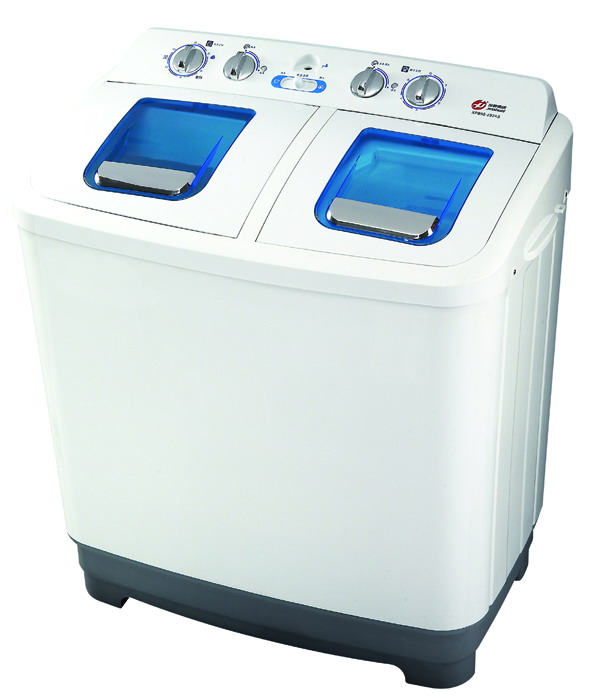
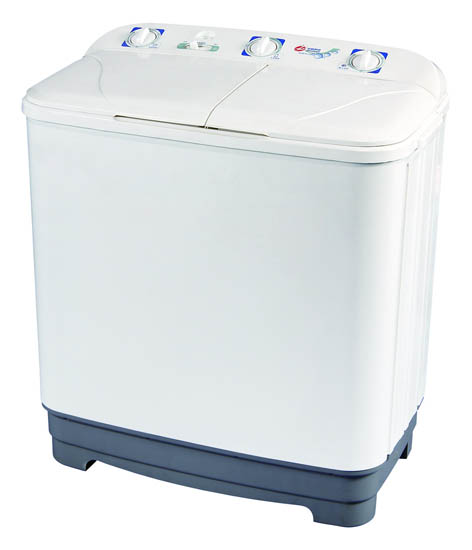
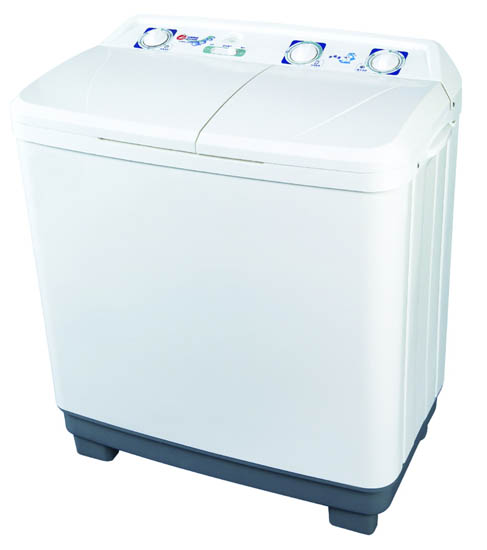
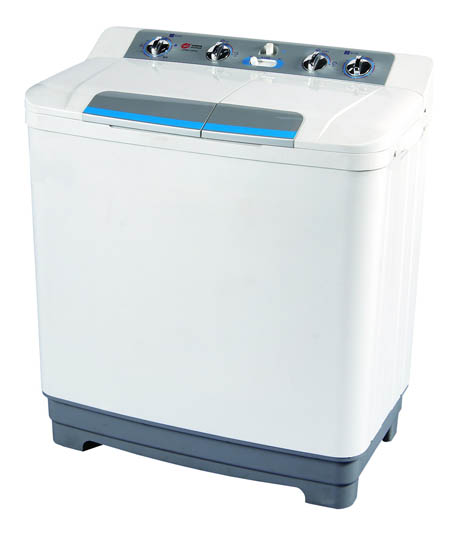
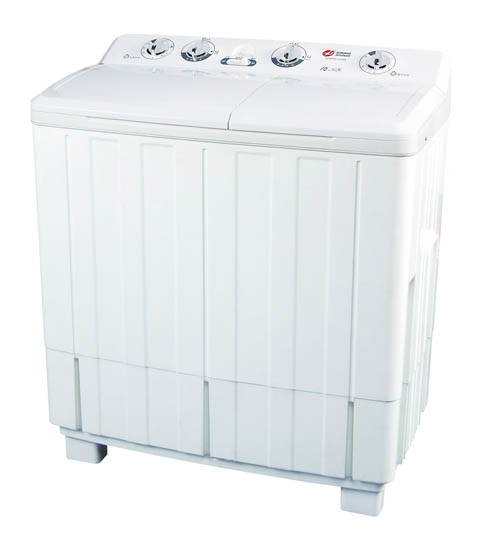
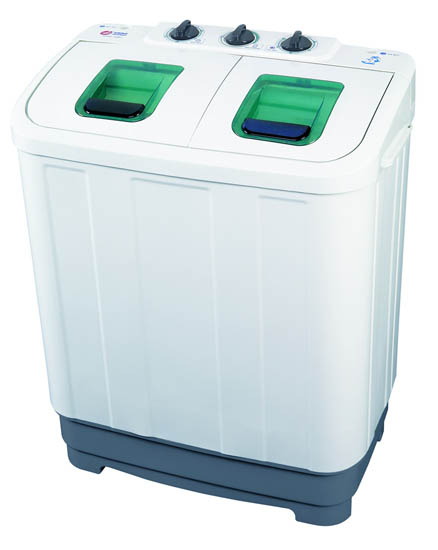
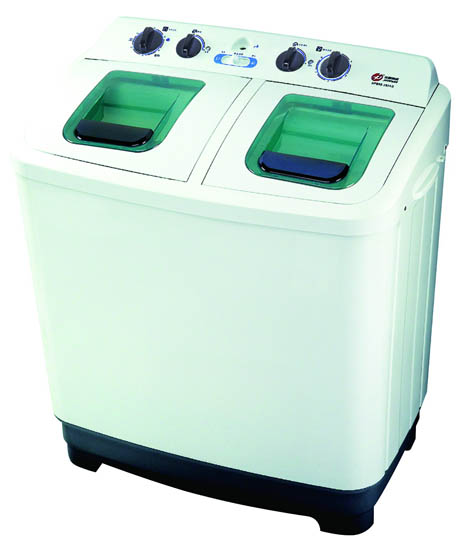
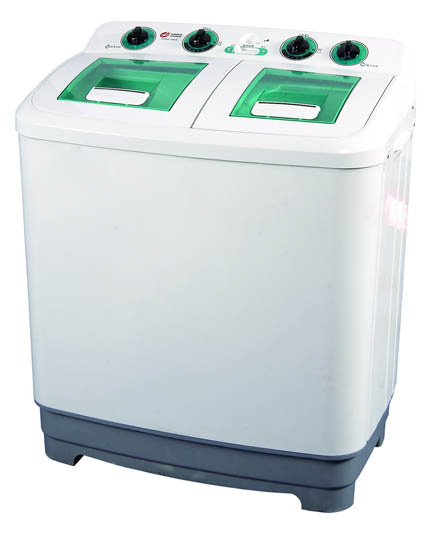
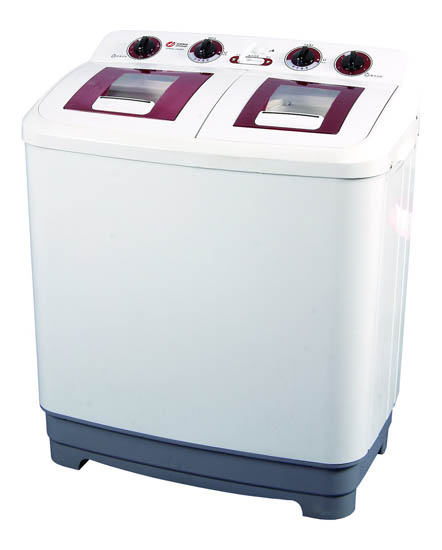
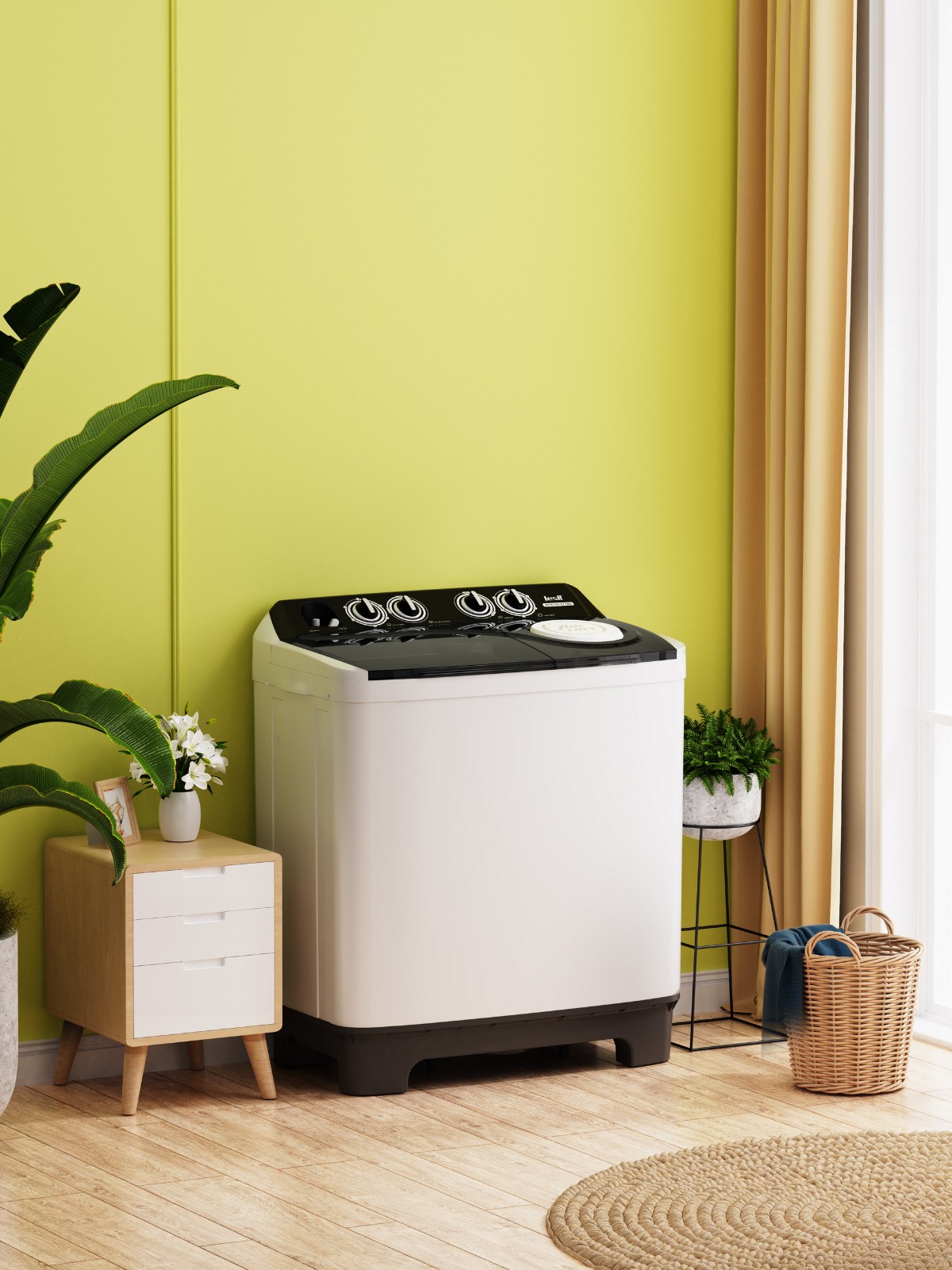
Other Washing Machines
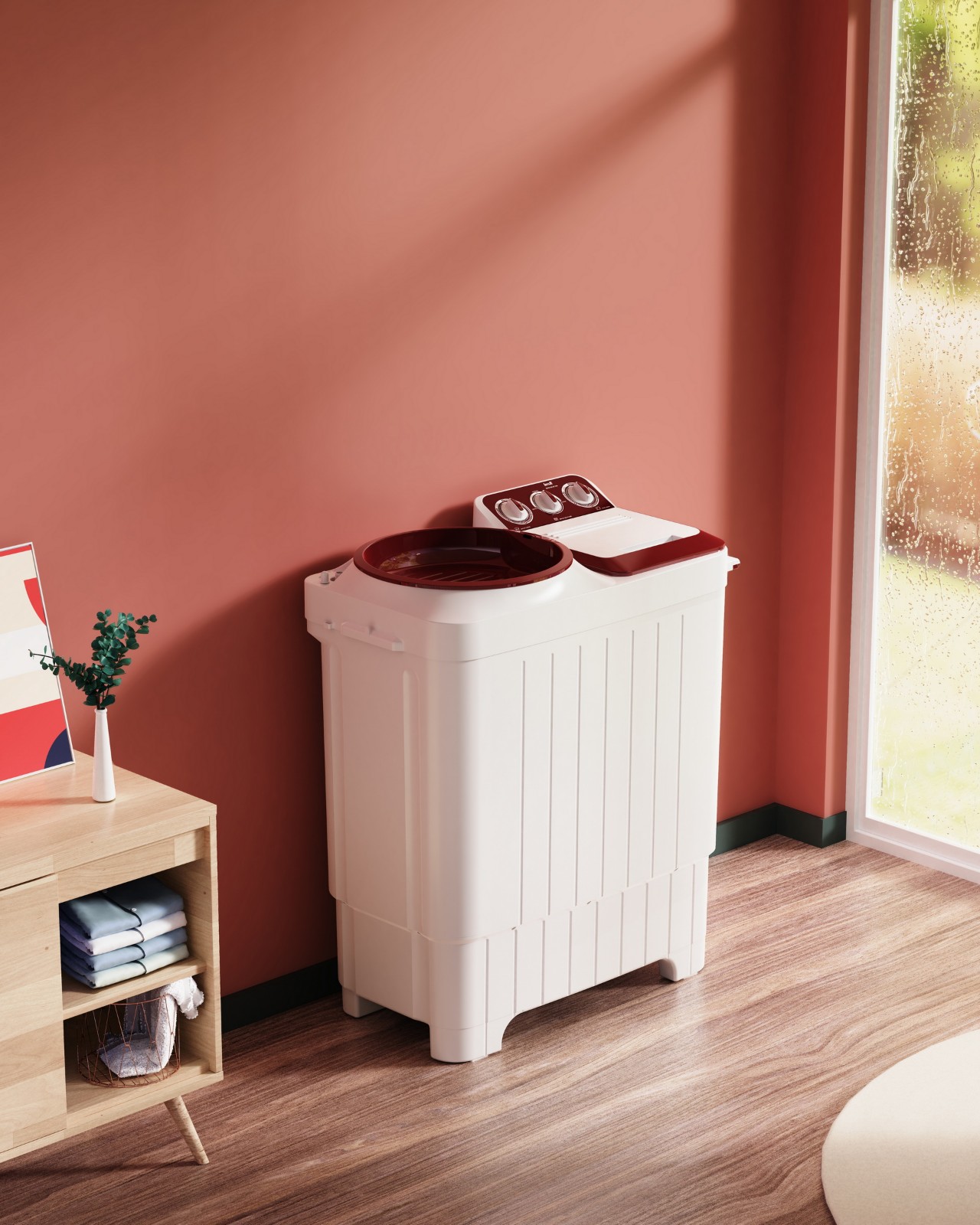
Source Other Washing Machines from vetted suppliers and manufacturers across Asia. Designed for importers, wholesalers, distributors, and appliance brands seeking OEM/ODM production, this selection covers non-standard and specialty laundry appliances. Secure reliable bulk pricing, customized specifications, and strict quality assurance for your next volume order.
Sourcing non-standard or specialty washing machines—such as compact, portable, ultrasonic, or single-purpose units—presents a unique set of procurement challenges. Unlike standard drum washers manufactured by massive Tier-1 facilities, these niche appliances are frequently produced by mid-sized factories specializing in small motor assemblies and plastic injection molding. Identifying a manufacturer with the right tooling capabilities, reliable motor sourcing, and strict electrical safety standards is critical to avoiding high defect rates in your supply chain.
Core Specifications and Component Selection
When negotiating specifications for specialty washing machines, the bill of materials (BOM) drives both the unit cost and the product lifespan. Because these units often operate in wet environments with less structural shielding than standard machines, component quality cannot be compromised.
- Motor Quality: The motor is the primary failure point in compact and specialty washers. Specify pure copper wire motors rather than copper-clad aluminum (CCA). While CCA motors reduce costs, they generate more heat and have a significantly shorter operational lifespan.
- Housing Materials: Specialty and portable washers rely heavily on plastic housings. Ensure the supplier uses virgin Polypropylene (PP) or Acrylonitrile Butadiene Styrene (ABS). Recycled plastics are brittle, prone to cracking under the vibration of the spin cycle, and degrade quickly when exposed to UV light or harsh detergents.
- Waterproofing and Sealing: Pay close attention to the IP rating (typically IPX4 for splash resistance) and the quality of the silicone or rubber seals around the motor shaft and control panels.
| Motor Material | Thermal Resistance | Lifespan | Cost Impact |
|---|---|---|---|
| Pure Copper | Excellent | Extended (5+ years) | Base + 15-20% |
| Copper-Clad Aluminum (CCA) | Poor | Short (1-2 years) | Baseline |
Struggling to verify factory BOMs? Let our sourcing engineers validate your supplier's component quality before production begins.
Talk to our teamManufacturing Quality Control Vulnerabilities
The assembly of specialty washing machines is heavily reliant on manual labor, particularly during the wiring and sealing stages. Without robust Quality Control & Inspection protocols, minor assembly errors can lead to critical safety failures, such as water leaking into the electrical housing.
Critical In-Line Inspection Points
Factory Floor QC Priorities
- Hi-Pot (High Potential) Testing: Ensuring electrical insulation integrity on 100% of units.
- Water Leakage Testing: Running units through a full cycle to check for seal failures.
- Vibration and Balance Testing: Verifying that the motor is mounted securely and the housing does not rattle excessively.
- Control Panel Sealing: Checking that buttons and dials are adequately protected from wet hands and splashes.
Compliance and Regulatory Standards
Specialty appliances must meet the same stringent electrical and environmental standards as major appliances. Because many suppliers in this niche are smaller, they may lack up-to-date certifications for your target market.
For the EU market, CE (including LVD and EMC directives) and RoHS compliance are mandatory. For North America, UL or ETL certification is required for electrical safety. Always verify that the certificates provided match the exact model and components you are purchasing. Engaging professional Compliance & Testing services early in the sourcing process prevents costly customs delays or product recalls.
MOQs, Pricing, and OEM Customization
Pricing for specialty washing machines is highly volatile and depends entirely on the motor specifications, housing size, and control complexity.
- Minimum Order Quantities (MOQs): For off-the-shelf designs with custom branding (private label), MOQs typically range from 500 to 1,000 units. If you are developing a completely custom housing, expect MOQs of 2,000 units or more to justify the setup.
- OEM/ODM Lead Times: Standard production runs take 30 to 45 days. However, if you are engaging in OEM/ODM Services requiring custom injection molds, add 45 to 60 days for tooling and sample approval.
- Tooling Costs: Custom plastic injection molds for a small-to-medium specialty washer housing generally range from $5,000 to $15,000, depending on the complexity and number of cavity pieces.
Need to develop a custom specialty washer? We manage the entire OEM process, from mold tooling to final assembly.
Get a free consultationBuyer FAQ
Procuring non-standard washing machines requires a careful balance of cost management and strict quality oversight. By focusing on component quality and verifying assembly standards on the factory floor, you can build a reliable supply chain for specialty laundry appliances.
Get Sourcing Help for Other Washing Machines
Tell us your requirements and our experts will connect you with verified manufacturers.