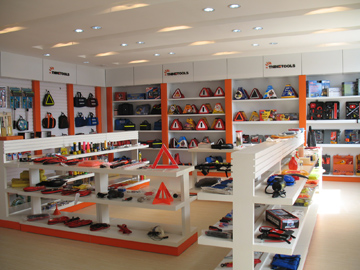
Other Vehicle Tools
Source bulk and wholesale specialty vehicle tools directly from vetted manufacturers. Designed for automotive importers, tool distributors, and tool brands seeking reliable OEM and private-label production. Find factories capable of delivering high-quality specialty automotive tools at scale.
Sourcing specialty and miscellaneous vehicle tools—ranging from non-marring trim removal kits to specialized sensor sockets, fluid extractors, and magnetic pickup tools—presents a unique procurement challenge. Because this category spans injection-molded plastics, machined metals, and specialized assemblies, no single factory produces everything. Building a comprehensive catalog requires managing multiple specialized manufacturers while maintaining consistent quality, material integrity, and branding across your product line.
Material Specifications by Tool Type
The defining factor for specialty vehicle tools is material appropriateness. Professional end-users will immediately notice if a trim tool scratches a dashboard or if an oxygen sensor socket rounds off under torque. Specifying the exact material grade on your purchase order is critical.
| Tool Category | Ideal Material | Key Performance Metric |
|---|---|---|
| Trim & Panel Tools | Nylon / POM (Polyoxymethylene) | High flexural strength, non-marring |
| Specialty Sockets | Cr-V (Chromium-Vanadium) Steel | Hardness (HRC 42-48), torque resistance |
| Heavy Pullers | High-Carbon Steel / Cr-Mo | Tensile strength, yield point |
| Inspection & Pickup | Stainless Steel & Neodymium | Telescopic durability, magnetic pull force |
The Recycled Material Risk
For plastic tools, factories competing on price will often blend virgin POM or Nylon with recycled ABS or polypropylene. This drastically reduces the tool's flexibility, causing it to snap in cold weather or under load. Always specify 100 percent virgin material for professional-grade trim tools.
Struggling to consolidate a diverse tool catalog from multiple factories?
Talk to our teamQuality Control on the Factory Floor
Quality is won or lost during the raw material preparation and final processing stages. For metal tools, skipping or rushing the final heat treatment saves the factory pennies per unit but leads to stripped threads and catastrophic failure under load. Implementing strict Quality Control & Inspection protocols is non-negotiable.
Critical Inspection Points for Specialty Tools
- Verify raw material certificates (spectrometer analysis for steel, virgin resin certs for plastics) before production begins.
- Conduct torque and fatigue testing for metal tools based on DIN or ANSI standards.
- Test plastic tools for cold-weather brittleness using drop tests at sub-zero temperatures.
- Check dimensional tolerances on specialized sockets to ensure a precise fit that prevents rounding.
- Inspect telescopic and magnetic tools for smooth action and verify magnetic pull force against specifications.
Supplier Specialization and Regional Sourcing
Because this category is so fragmented, you must source from the right regions. Zhejiang province (specifically Jinhua and Hangzhou) is the established hub for forged metal hand tools and sockets. Conversely, Guangdong (Dongguan, Shenzhen) excels in precision injection molding for plastic tools and electronic diagnostic accessories.
If you are building custom kits that combine metal and plastic tools, you will likely need to source from multiple provinces. This requires running comprehensive Factory Audits on several facilities and utilizing robust Supply Chain Management to coordinate component delivery to a central staging warehouse for final kitting and packaging.
MOQs, Lead Times, and Pricing Dynamics
Tooling costs and production minimums vary wildly depending on the manufacturing process. Injection-molded tools require higher volumes to justify machine setup, while forged or machined metal tools can sometimes be sourced in lower quantities if the factory already has the molds.
Pricing is heavily indexed to global commodity prices for steel and petroleum (for plastics). When negotiating, ask the supplier to break down the cost of raw materials versus labor and packaging. This transparency helps you understand if a price increase is legitimate or if a quote is suspiciously low.
Need reliable OEM tooling and production for your specialty tool line?
Get a free consultationFrequently Asked Questions
Successfully sourcing specialty vehicle tools requires a deep understanding of varied manufacturing processes and the ability to manage multiple specialized suppliers simultaneously. By strictly defining material grades and enforcing rigorous testing standards, you can build a reliable, professional-grade product line that stands up to demanding workshop environments.
Get Sourcing Help for Other Vehicle Tools
Tell us your requirements and our experts will connect you with verified manufacturers.