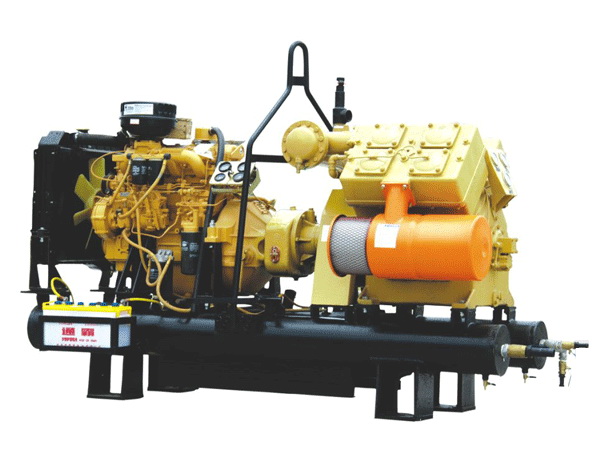
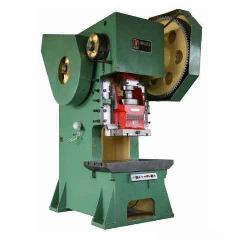
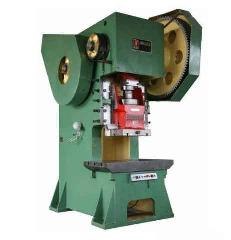
Other Used Industrial Machinery
Source Other Used Industrial Machinery from vetted suppliers and specialized refurbishment facilities across Asia. Designed for importers, distributors, and procurement managers, this category connects bulk buyers with reliable sources for specialized, legacy, and non-standard industrial equipment.
Sourcing non-standard or specialized used industrial machinery presents a unique set of challenges. Unlike standard CNC mills or injection molding machines, "other" specialized equipment—ranging from custom automation cells to niche chemical processing units—often lacks standard pricing benchmarks and predictable availability. For procurement managers, the primary hurdles are verifying operational status, assessing wear on non-standard components, and managing the complex logistics of decommissioning and international transport.
Navigating the Asian secondary market for specialized industrial equipment requires rigorous technical vetting. A machine's value is entirely dependent on its maintenance history, the availability of replacement parts, and the integrity of its core structural components.
Evaluating Condition and Refurbishment Tiers
When sourcing used machinery, suppliers typically categorize equipment into three distinct tiers. Understanding these tiers is critical for setting expectations regarding immediate operational readiness versus required capital expenditure upon arrival.
| Condition Tier | Typical Scope of Work | Operational Readiness |
|---|---|---|
| As-Is / Running Takeout | Removed directly from service; no repairs made. | Requires thorough inspection and potential overhaul before integration. |
| Cleaned & Cycled | Basic cleaning, fluid flush, and dry-cycled to confirm basic PLC/motor function. | Generally operational, but minor wear parts may need immediate replacement. |
| Fully Reconditioned | Torn down, worn parts replaced, ways rescraped, controls updated if obsolete. | Plug-and-play ready; often comes with a limited supplier warranty. |
Struggling to find reliable suppliers for specialized used machinery? Let our sourcing engineers locate, vet, and negotiate for the exact equipment you need.
Discuss your equipment requirementsCritical Inspection Points for Specialized Equipment
Because specialized machinery often performs unique tasks, generic inspection checklists fall short. You must evaluate the equipment based on mechanical wear, control system obsolescence, and infrastructural compatibility. Thorough quality control and inspection prior to crating is non-negotiable, as returning heavy machinery across borders is economically unviable.
Pre-Purchase Technical Verification
- Control System Obsolescence: Verify the PLC brand and generation. Obsolete controllers (e.g., early 90s proprietary boards) may require a complete and costly retrofit.
- Power Requirements: Confirm voltage, phase, and frequency (e.g., 380V/50Hz vs. 480V/60Hz). Transformers or motor rewinds add hidden costs.
- Hydraulic and Pneumatic Integrity: Inspect for micro-leaks, degraded seals, and pump pressure stability during a dry run.
- Spindle/Bearing Runout: For rotating equipment, demand dial indicator readings to verify runout is within acceptable tolerances.
- Tooling and Accessories: Ensure all custom fixtures, dies, or specialized tooling used by the previous owner are included in the manifest.
If the equipment is highly complex, relying on a supplier's video of the machine running is insufficient. Deploying an engineer for on-site verification or utilizing professional product sourcing teams to conduct physical evaluations protects your capital investment.
Logistics: Decommissioning and Freight Realities
The cost of moving heavy, irregularly shaped industrial machinery can sometimes rival the cost of the equipment itself. Specialized machinery often requires custom crating, moisture-barrier vacuum sealing (VCI), and flat-rack containers or break-bulk shipping.
Improper decommissioning can destroy a machine before it ever leaves the factory. Sensitive electronics must be isolated, moving axes must be hard-blocked to prevent transit vibration damage, and heavy components may need to be dismantled to balance the load. Coordinating these steps requires tight integration with experienced shipping and freight forwarders who understand heavy industrial loads.
Pricing, Availability, and Sourcing Mechanics
The market for niche used machinery is highly fragmented. Pricing is dictated by scarcity, the urgency of the seller to clear floor space, and the machine's generation.
- MOQ: Typically 1 unit (Complete machine or production line).
- Lead Times: 1 to 3 weeks for decommissioning, crating, and export customs clearance; 3 to 6 weeks for ocean transit.
- Pricing Drivers: Age, brand reputation (European/Japanese vs. domestic Chinese brands), control system generation, and included auxiliary equipment.
Need to coordinate the purchase, inspection, and heavy-freight logistics of used industrial equipment? We manage the entire process from factory floor to your facility.
Talk to a sourcing expertSuccessfully procuring specialized used industrial machinery requires treating the transaction not as a simple purchase, but as a complex engineering and logistics project. By enforcing strict pre-shipment inspections and carefully managing the decommissioning process, you can acquire high-value production assets at a fraction of the cost of new equipment.
Get Sourcing Help for Other Used Industrial Machinery
Tell us your requirements and our experts will connect you with verified manufacturers.