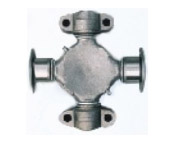
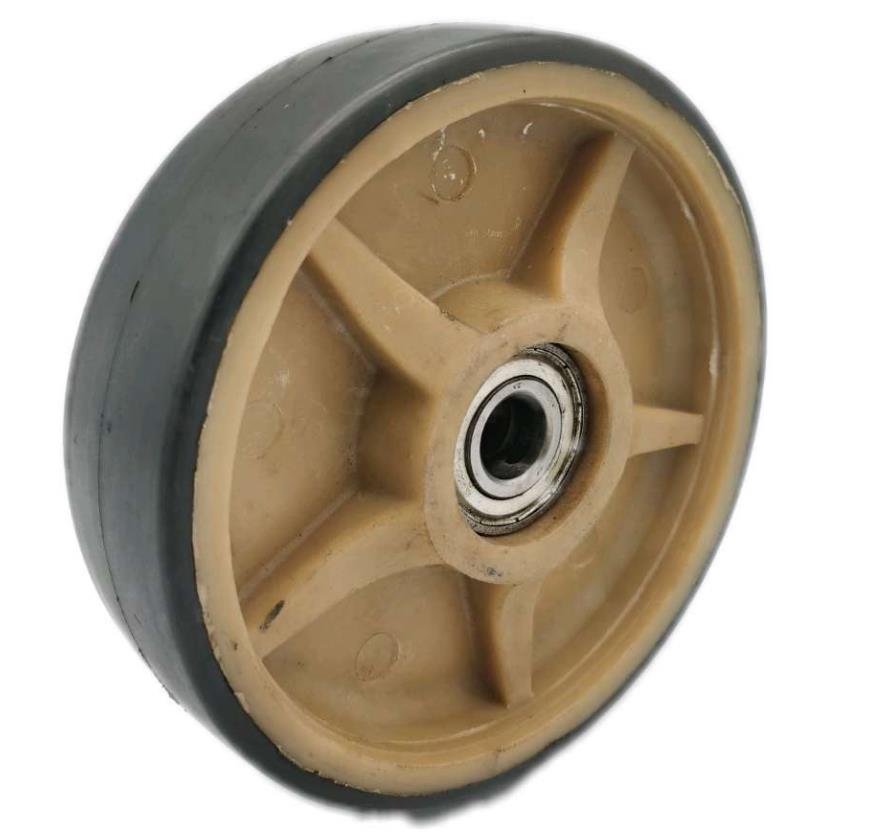
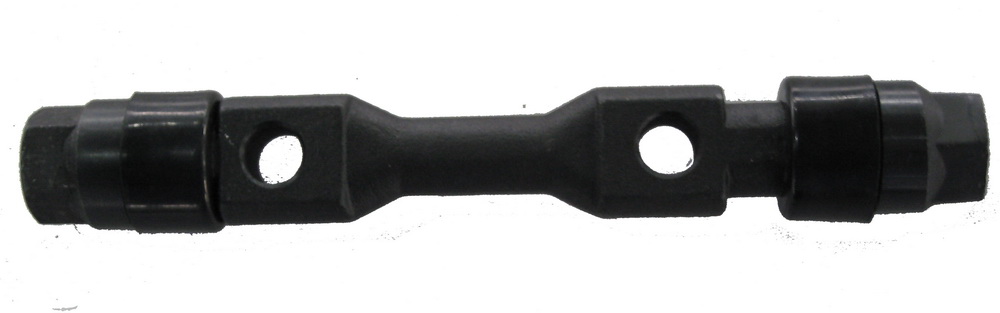
Other Universal Parts
Source bulk Other Universal Parts directly from vetted manufacturers and suppliers. Designed for automotive parts importers, wholesalers, distributors, and brands requiring OEM/ODM production, this category connects you with reliable factories producing miscellaneous vehicle hardware and accessories ready for wholesale procurement.
When sourcing miscellaneous universal vehicle parts—ranging from custom mounting brackets and adapters to specialized interior hardware—the primary challenge is standardization. Because these components do not fall into strict, universally standardized categories, buyers must rigorously define material specifications, dimensional tolerances, and finish requirements. Assuming a factory understands your exact performance requirements for a "generic" part is the fastest route to inconsistent batches and assembly failures.
Defining Specifications for Non-Standard Parts
The "other" category often encompasses a massive variety of manufacturing processes, including plastic injection molding, metal stamping, die-casting, and CNC machining. Success depends entirely on the technical data package you provide to the manufacturer.
Critical Specification Checkpoints
- Material Grades: Never accept generic terms like 'steel' or 'plastic'. Specify exact grades (e.g., 304 Stainless Steel, 6061-T6 Aluminum, UV-stabilized ABS, Polycarbonate).
- Dimensional Tolerances: State acceptable variance clearly, typically plus or minus 0.1mm for machined parts and plus or minus 0.5mm for stamped or molded components.
- Surface Finish Requirements: Define coating thickness for anodizing (e.g., Type II or Type III), powder coating (microns), or electroplating to ensure adequate corrosion resistance.
- Load and Stress Ratings: For load-bearing universal mounts or brackets, specify required tensile strength and yield strength.
Need help standardizing specifications across a diverse catalog of universal parts? Let us help you audit your technical requirements and match them to capable factories.
Talk to our teamManaging Quality Across Diverse Production Lines
Because universal parts are often produced in high volumes with low margins, factories may be tempted to cut corners on raw materials or skip secondary finishing steps like deburring. Implementing a strict Quality Control & Inspection protocol is non-negotiable.
For metal components, verify that the factory performs salt spray testing to validate corrosion resistance, especially for exterior automotive applications. For plastics, ensure UV degradation testing is part of the QA process if the parts will be exposed to sunlight. When dealing with a new supplier for miscellaneous components, conducting comprehensive Factory Audits prior to placing an order ensures the facility actually possesses the necessary in-house tooling and testing equipment, rather than subcontracting the work to lower-tier workshops.
Tooling and OEM/ODM Production
Many buyers utilize this category to develop proprietary universal accessories. If you are developing a new part, understanding tooling ownership and maintenance is critical.
Tooling Ownership
Always explicitly state tooling ownership in your manufacturing agreement. If you pay for the injection mold or stamping die, ensure you have the contractual right to extract that tooling if the supplier's quality degrades over time.
When engaging in OEM/ODM Services for universal parts, the initial cost will heavily depend on the manufacturing method. CNC machining offers zero tooling costs but higher per-unit prices, making it ideal for validation or low-volume runs. Injection molding and die-casting require significant upfront capital for molds but drastically reduce the per-unit cost at scale.
Typical Pricing, MOQs, and Lead Times
Pricing and Minimum Order Quantities (MOQs) for miscellaneous universal parts fluctuate wildly based on the manufacturing process and material.
Material costs are the primary driver of pricing for these components. Keep a close eye on global commodity indexes for aluminum, steel, and petroleum (for plastics). When negotiating, ask the supplier to break down the quotation into raw material costs, processing/machining costs, and finishing costs. This transparency prevents arbitrary price hikes and allows you to negotiate effectively.
Struggling with high MOQs or opaque tooling costs? We negotiate directly with manufacturers to secure favorable terms for bulk automotive part orders.
Get a free consultationFrequently Asked Questions
Successfully sourcing miscellaneous universal parts requires treating even the simplest bracket or mount with the same engineering rigor as a complex assembly. By locking down precise material specs, controlling your tooling, and maintaining strict quality oversight, you can build a highly profitable and reliable supply chain. Engaging professional Product Sourcing support can help you navigate supplier vetting and technical negotiations, allowing you to focus on distribution and sales.
Get Sourcing Help for Other Universal Parts
Tell us your requirements and our experts will connect you with verified manufacturers.