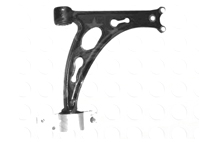
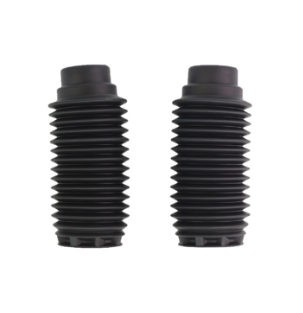
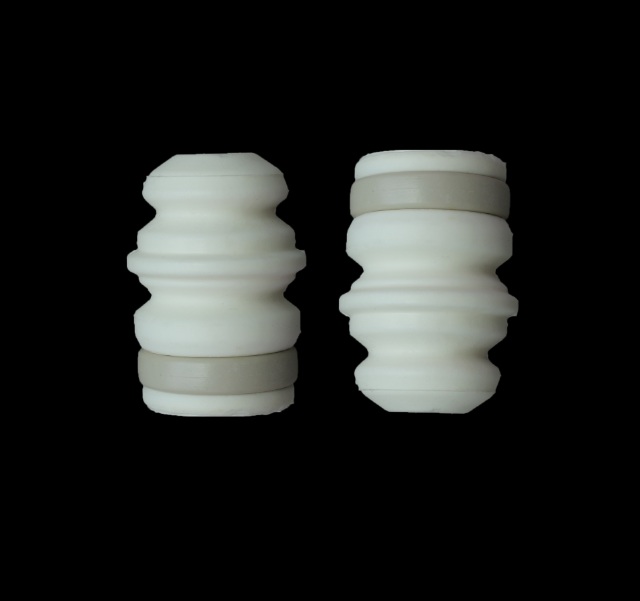
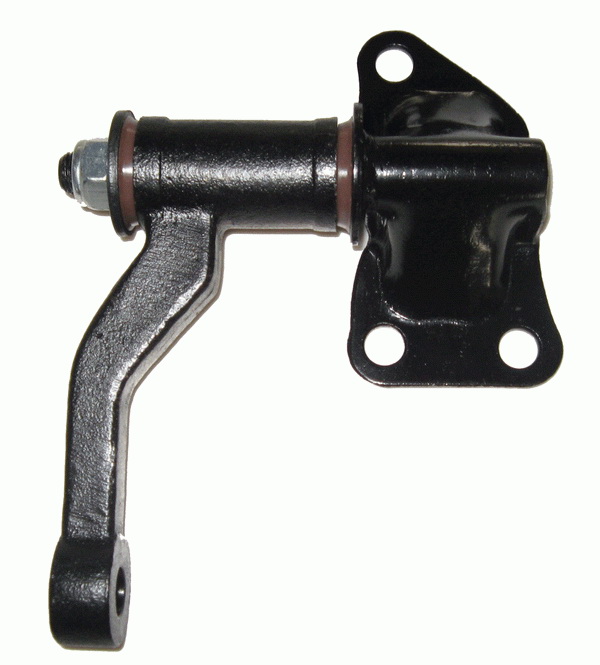
Other Suspension Parts
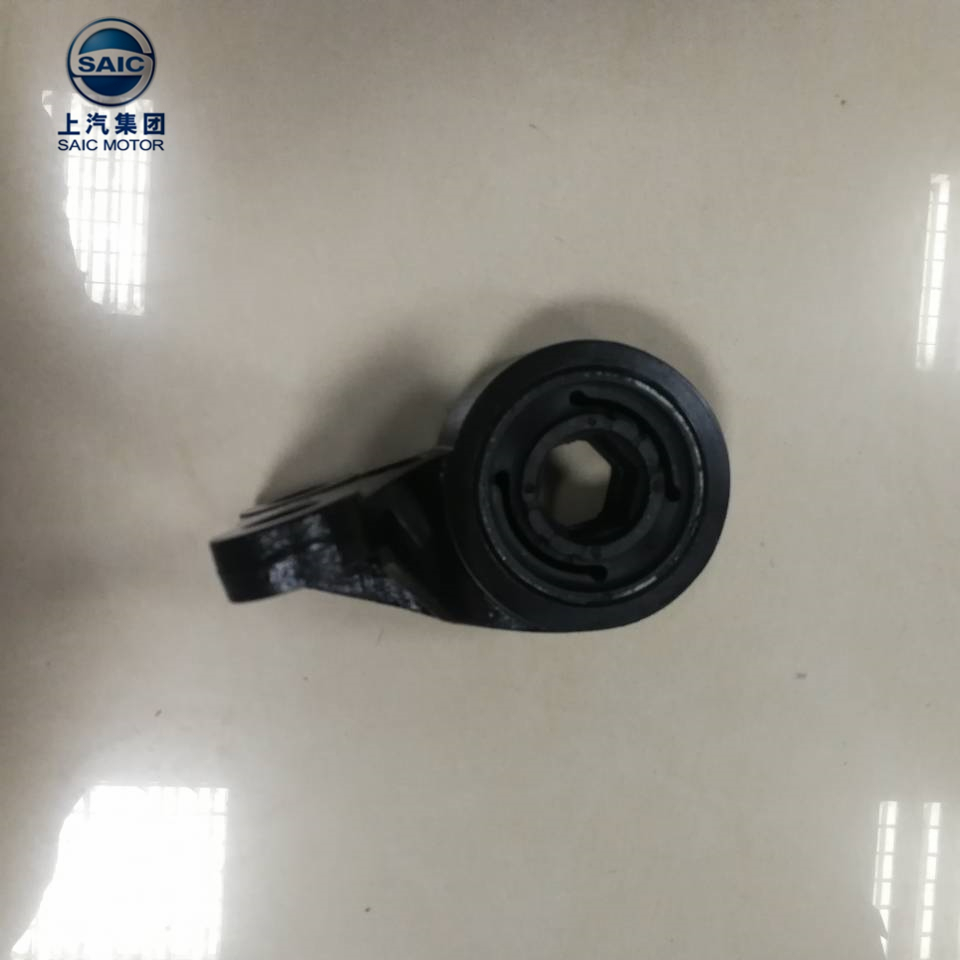
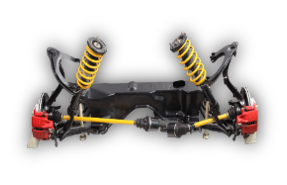
Source wholesale Other Suspension Parts directly from vetted manufacturers and suppliers. This category is tailored for automotive parts importers, wholesale distributors, and aftermarket brands seeking reliable OEM and private-label production for custom linkages, brackets, bushings, and specialized mounting hardware.
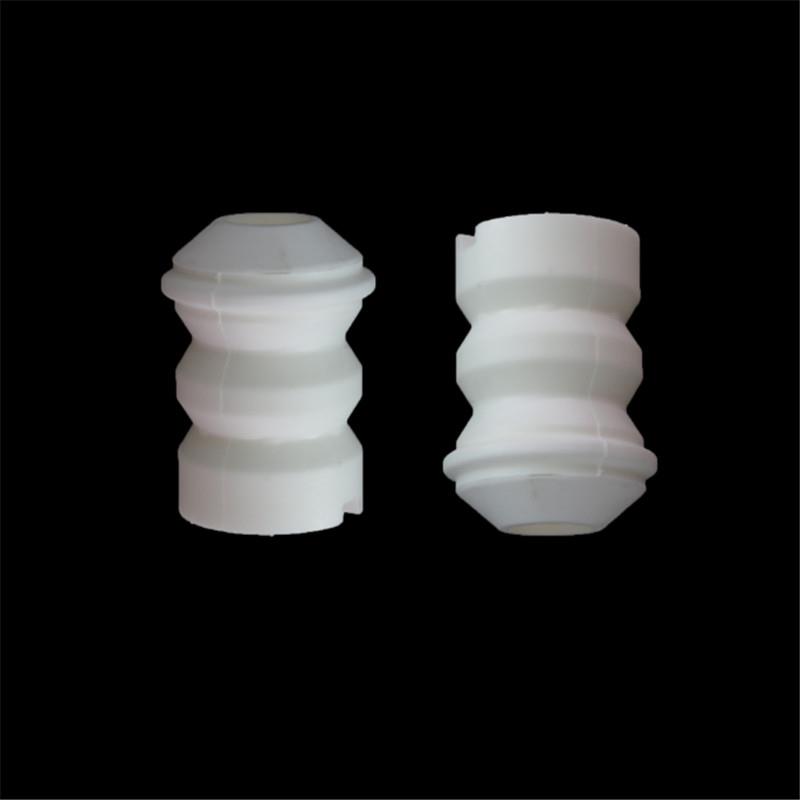
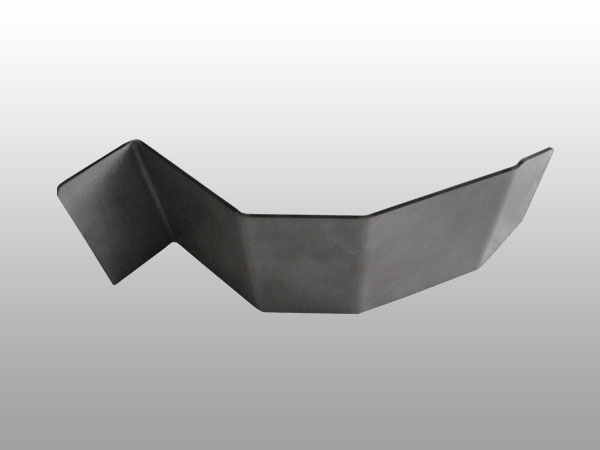
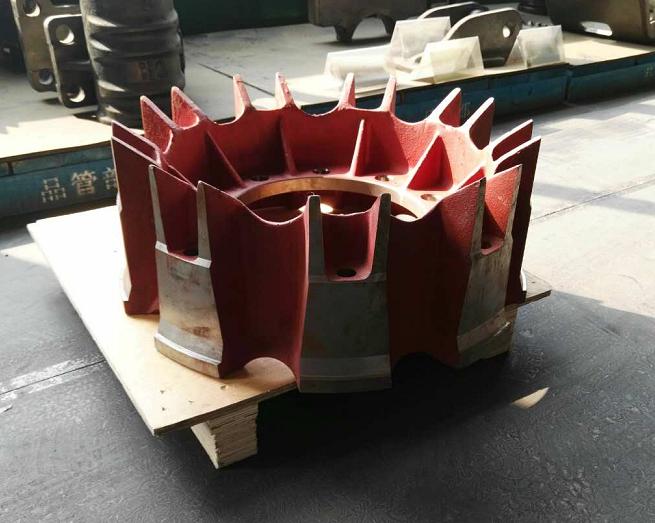
Sourcing miscellaneous suspension components—ranging from custom mounting brackets and bump stops to specialized linkages and elastomer bushings—often means managing a highly fragmented supply chain. Because these parts bridge the gaps between major suspension modules, they require diverse manufacturing capabilities, from steel forging and CNC machining to rubber-to-metal vulcanization. The core procurement challenge is qualifying a supplier who can consistently meet strict automotive tolerances across multiple material types without letting secondary processes, like surface finishing, compromise the final part.
Critical Specifications and Material Selection
When developing or sourcing supplementary suspension hardware, buyers must clearly define the material grades and testing parameters. Vague specifications on "steel" or "rubber" inevitably lead to premature fatigue failures or rapid corrosion in the field.
For metal components, specify the exact alloy and heat treatment. High-stress linkages typically require forged carbon steel (e.g., 1045 or 4140) with proper quenching and tempering. For lightweight aftermarket applications, specify forged or billet Aluminum 6061-T6 or 7075-T6.
For elastomers (bushings, bump stops, isolators), the durometer rating is non-negotiable. Specify the Shore A hardness (typically 70A to 95A) and the exact compound. Polyurethane offers superior deflection resistance for performance applications, while natural rubber provides better NVH (Noise, Vibration, and Harshness) dampening for passenger comfort.
| Component Type | Common Material | Critical Quality Metric |
|---|---|---|
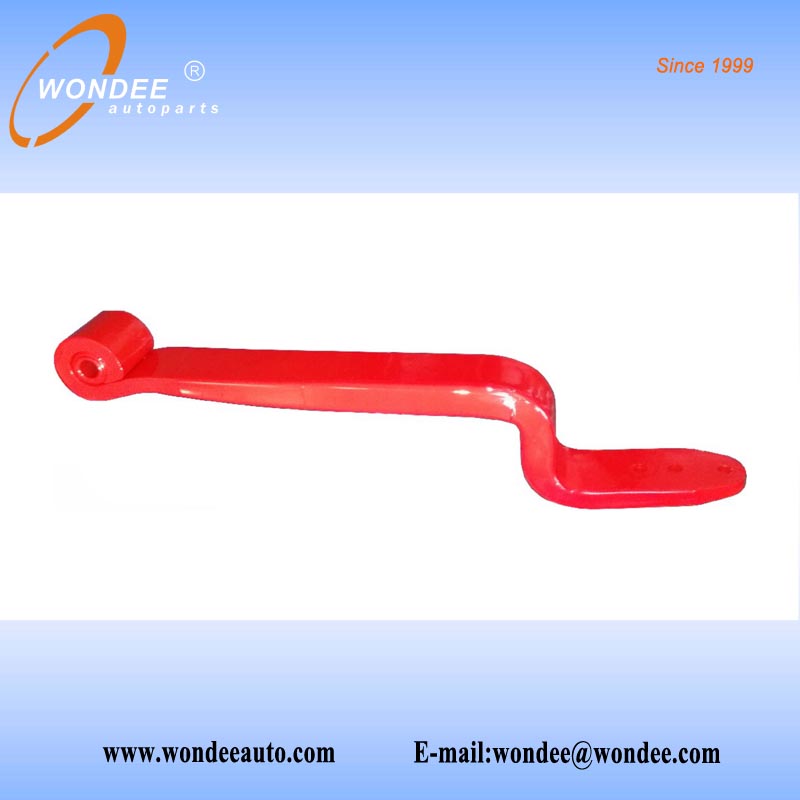
| Mounting Brackets | Stamped or Cast Steel | Dimensional tolerance & weld integrity |
| Custom Linkages | Forged 1045 / 4140 Steel | Tensile yield strength & fatigue life |
| Isolators & Bushings | Polyurethane / Natural Rubber | Shore A Durometer & bonding peel strength |
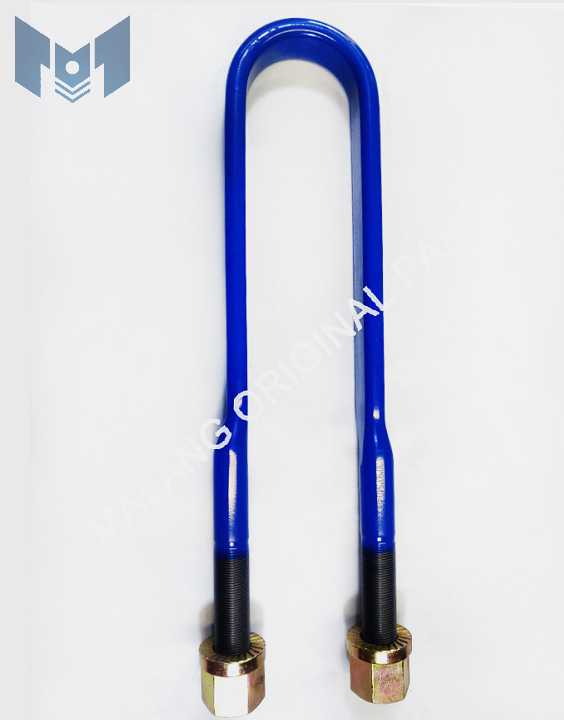
| Hardware & Fasteners | Grade 8.8 to 12.9 Steel | Thread precision & torque rating |
Need to consolidate manufacturing for a complex multi-part suspension assembly? Let our sourcing engineers evaluate your technical drawings.
Talk to our teamManufacturing Tolerances and Quality Control
The factory floor is where suspension part quality is either secured or lost. For automotive applications, you should exclusively target manufacturers operating under IATF 16949 quality management systems. This ensures they utilize the PPAP (Production Part Approval Process) framework, which is critical when moving from prototype to mass OEM/ODM Services.
Surface treatment is a frequent failure point for auxiliary suspension parts. Components mounted under the chassis are subjected to extreme environmental abuse. Ensure your supplier utilizes automated e-coating (electrophoretic deposition), powder coating, or high-grade zinc plating.
To prevent defects from shipping, implement rigorous Quality Control & Inspection protocols focusing on the following areas:
Key Inspection Points for Miscellaneous Suspension Parts
- Salt Spray Testing: Verify corrosion resistance (minimum 480 to 720 hours per ASTM B117).
- Rubber-to-Metal Adhesion: Conduct destructive peel testing on bonded bushings to ensure the vulcanization process succeeded.
- Dimensional Verification: Use CMM (Coordinate Measuring Machine) reports to confirm mounting hole alignments and CNC tolerances.
- Material Composition: Request spectrometer analysis raw material certificates before mass production begins.
Relying solely on a supplier's internal QC reports carries inherent risk. Executing independent Factory Audits prior to tooling investment is the most effective way to verify a facility's true in-house testing capabilities versus what they outsource to unverified sub-tier vendors.
Production Economics: MOQs, Tooling, and Lead Times
Because "Other Suspension Parts" covers a vast array of manufacturing methods, pricing and minimum order quantities (MOQs) vary significantly based on the production process.
Tooling Costs: Custom parts require upfront tooling investment. Stamping dies or basic rubber injection molds typically range from $800 to $2,500. Complex steel forging dies can exceed $4,000. Ensure your manufacturing contract clearly stipulates that you own the tooling upon completion and that the factory is responsible for its maintenance.
Pricing Drivers: Beyond material weight, the primary cost drivers are secondary machining operations and specialized surface finishes. Consolidating orders across a family of parts (e.g., ordering brackets, linkages, and hardware together) can often help negotiate lower MOQs per SKU, provided the supplier has the breadth of capability to handle them.
Struggling with high tooling costs or inconsistent quality from your current supplier? We can benchmark your current pricing against our vetted factory network.
Get a free consultationFrequently Asked Questions
Successfully sourcing miscellaneous suspension parts requires balancing the technical demands of automotive engineering with the commercial realities of overseas procurement. By strictly defining material grades, mandating IATF 16949 compliance, and enforcing independent Compliance & Testing, buyers can eliminate premature field failures and secure a resilient, cost-effective supply chain.
Get Sourcing Help for Other Suspension Parts
Tell us your requirements and our experts will connect you with verified manufacturers.