Other Stainless Steel
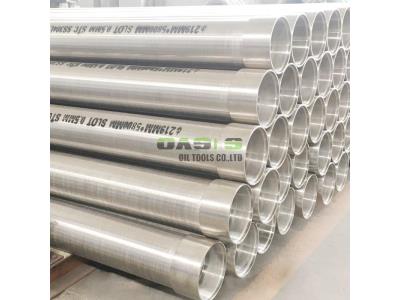
Source high-quality Other Stainless Steel from vetted manufacturers and suppliers in Asia. Designed for importers, wholesalers, and procurement managers, our network provides bulk access to specialty alloys, custom profiles, and non-standard stainless steel products with strict quality control and competitive pricing.
Sourcing non-standard stainless steel—whether specialized alloys like duplex, precipitation-hardening grades, or custom extruded profiles—demands rigorous technical oversight. Unlike commodity 304 or 316 sheets, these materials are often application-critical. A minor deviation in chemical composition, nitrogen control, or heat treatment can compromise structural integrity in corrosive or high-stress environments. Sourcing these products in bulk requires moving past standard trading houses to partner directly with capable, specialized mills.
Specifying Specialty Grades and Custom Profiles
When procuring specialty stainless steel, exact specifications are your only defense against substandard material. Buyers must clearly define the grade, the required delivery condition (e.g., annealed, quenched, tempered), and the exact dimensional tolerances.
| Alloy Category | Common Grades | Key Characteristics | Typical Applications |
|---|---|---|---|
| Duplex / Super Duplex | 2205, 2507 | High strength, superior pitting resistance | Desalination, chemical processing |
| Precipitation Hardening | 17-4 PH, 15-5 PH | High yield strength, heat treatable | Aerospace, heavy mechanical components |
| Super Austenitic | 904L, 254 SMO | Extreme corrosion resistance, high Mo/Ni | Marine environments, sulfuric acid handling |
For custom profiles, you must provide detailed CAD drawings specifying corner radii, straightness tolerances (typically measured in millimeters per meter), and surface finish requirements.
Struggling to find a mill capable of producing your exact specialty stainless steel specifications? Let our sourcing experts identify the right manufacturing partner.
Get a free consultationManufacturing Processes and Quality Control
Specialty stainless steels are notoriously difficult to machine, forge, and extrude. The factory's equipment and process control directly dictate the final quality. For instance, duplex stainless steels require precise cooling rates to maintain the correct ferrite-to-austenite ratio; cooling too slowly can lead to the formation of detrimental intermetallic phases (like sigma phase) that drastically reduce toughness.
To ensure the material meets international standards (ASTM, EN, or JIS), rigorous Quality Control & Inspection is non-negotiable. Relying solely on the factory's internal testing is a common pitfall.
Critical Verification Steps for Specialty Stainless Steel
- Mill Test Certificate (MTC) Verification: Ensure EN 10204 3.1 or 3.2 certification is provided per batch.
- Chemical Analysis: Conduct Positive Material Identification (PMI) or Optical Emission Spectroscopy (OES) to verify exact alloy composition.
- Microstructure Examination: Critical for duplex and martensitic grades to check for phase balance and absence of carbide precipitation.
- Mechanical Testing: Verify yield strength, tensile strength, elongation, and hardness against the specified standard.
- Ultrasonic Testing (UT): Essential for thick plates or large forgings to detect internal voids or inclusions.
If your product is destined for highly regulated markets (like pressure vessels or medical devices), third-party Compliance & Testing is highly recommended to validate the factory's MTC data.
Auditing Supplier Capabilities
Not all stainless steel mills are equipped to handle specialty grades. Many suppliers listed on B2B directories are merely stockists or re-rollers who purchase billets from larger state-owned mills. If you require custom melts or highly specific mechanical properties, you must trace the supply chain back to the actual melting facility.
Executing comprehensive Factory Audits helps verify the supplier's true capabilities. You need to confirm they have the appropriate induction furnaces, AOD/VOD refining equipment, and precise heat-treatment furnaces required for advanced alloys.
Pricing, MOQs, and Lead Time Realities
Procuring non-standard stainless steel involves different economic realities compared to standard 304/316 commodities.
Pricing Drivers: The cost of specialty stainless steel is highly sensitive to raw material indices, particularly Nickel, Molybdenum, and Chromium. Because these alloys contain higher percentages of expensive alloying elements, prices fluctuate daily. Always tie your purchase contracts to a specific raw material index date.
MOQ Challenges: If you require a custom melt (a specific chemical composition not currently in stock as billets), mills typically require a full furnace load, which can push MOQs up to 5 or even 10 tons. For custom extruded profiles, you will also need to amortize the cost of the extrusion die. If your volume is lower, you will be restricted to whatever billet stock the mill or their downstream processors currently hold.
Need to negotiate better terms or consolidate orders for specialty stainless steel? We manage the entire procurement and supply chain process.
Talk to our teamFrequently Asked Questions
Successfully sourcing non-standard and specialty stainless steel requires deep material knowledge and aggressive supplier oversight. By partnering with a dedicated team for Product Sourcing, you can bypass trading company markups, secure direct mill relationships, and ensure your materials meet exact metallurgical specifications every time.
Get Sourcing Help for Other Stainless Steel
Tell us your requirements and our experts will connect you with verified manufacturers.