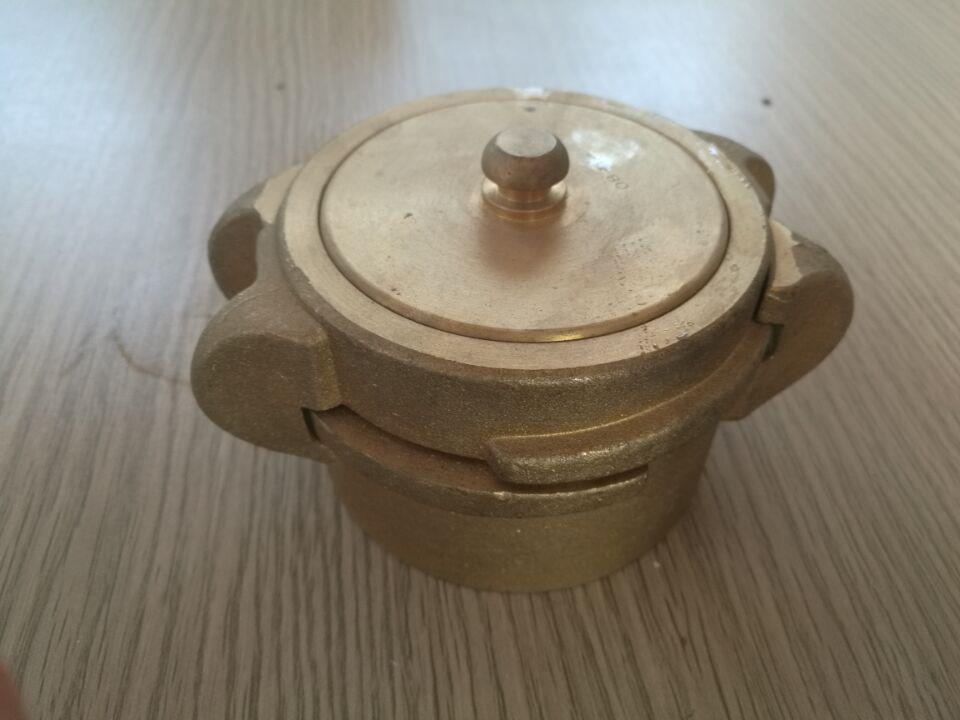
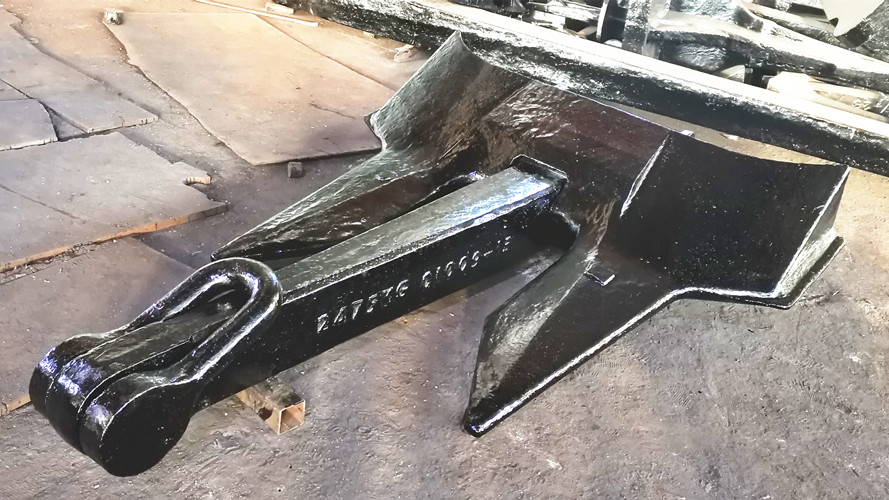
Other Ship Ballast Water Treatment Equipment
Source Other Ship Ballast Water Treatment Equipment directly from vetted manufacturers and suppliers. Designed for marine distributors, shipyards, and procurement managers buying in bulk or seeking OEM production, ensuring strict IMO and USCG compliance for seamless integration.
Sourcing specialized or supplementary ballast water treatment equipment requires matching precise technical specifications with rigorous maritime regulatory standards. Whether you are procuring secondary filtration modules, specialized chemical dosing skids, neutralization units, or modular control panels, the primary challenge lies in ensuring these components integrate flawlessly with existing systems while surviving highly corrosive marine environments.
Critical Specifications and Component Integration
When procuring supplementary BWTS equipment, the technical focus must shift from the overall system to the precise integration points. Supplementary equipment often interfaces directly with the primary treatment loop, meaning any failure in a secondary sensor, dosing pump, or filtration bypass can compromise the vessel's compliance with the IMO D-2 standard.
Key Specifications to Define with Suppliers
- Material grades for wetted parts (e.g., Titanium, Super Duplex, or 316L Stainless Steel)
- Electrical enclosure protection ratings (minimum IP56 for engine rooms, IP65+ for weather decks)
- Communication protocol compatibility (Modbus, Profibus, or CAN bus) for main control panel integration
- Maximum operating pressure and pressure drop tolerances across supplementary modules
- Vibration and shock resistance standards per marine classification societies
Manufacturers in Asia produce a wide range of specialized modules, but buyers must be highly specific about the operational environment. A dosing unit designed for a freshwater application will rapidly degrade if applied to a marine ballast system without the correct material upgrades.
Manufacturing Standards and Factory Verification
The factory floor is where marine-grade reliability is either built in or lost. Standard industrial manufacturing processes are rarely sufficient for BWTS components. Welding of high-alloy steels, for instance, requires specialized shielding gases and post-weld treatments to prevent localized galvanic corrosion.
Material Substitution Risks
A common defect in poorly vetted supply chains is the unauthorized substitution of standard 304 or 316 stainless steel in place of 316L or Super Duplex. In a ballast water environment, this leads to rapid pitting and catastrophic failure.
Before committing to a high-value order, executing thorough factory audits is essential to verify the supplier's welding certifications, material traceability protocols, and testing infrastructure.
| Requirement | Standard Industrial | Marine Grade (BWTS) |
|---|---|---|
| Material Traceability | Batch level | Component level with Mill Certificates |
| Vibration Testing | Standard operational | Class Society approved profiles |
| Corrosion Allowance | Minimal (paint/coating) | High alloy + marine epoxy systems |
Ensure your BWTS component suppliers meet strict maritime manufacturing standards.
Talk to our teamRegulatory Compliance and Class Approvals
Any component that touches the ballast water treatment process or its control systems is subject to intense regulatory scrutiny. While a supplementary dosing skid might not hold its own USCG Type Approval, it must be manufactured to standards that do not void the primary system's certification.
Navigating this requires working with suppliers who understand the requirements of major classification societies (DNV, ABS, Lloyd's Register, etc.). Buyers should mandate robust compliance and testing protocols before shipment, ensuring that all pressure vessels, electrical components, and safety relief valves carry the necessary class society stamps or individual test certificates.
Typical Pricing, MOQs, and Lead Times
Supplementary BWTS equipment falls squarely into the category of heavy, capital-intensive marine goods. As such, purchasing dynamics differ significantly from standard commercial hardware.
Because these components are often bulky, heavy, and require careful handling to protect sensitive sensors or lined piping, coordinating specialized shipping and freight is a critical part of the procurement process. Consolidating supplementary components from multiple regional factories into a single shipment can yield significant cost savings for shipyards and marine distributors.
Optimize your procurement and logistics for heavy marine equipment.
Get a free consultationBuyer FAQ
Procuring supplementary ballast water treatment equipment requires balancing aggressive cost management with zero-compromise maritime standards. Success depends entirely on rigorous supplier vetting, precise technical communication, and uncompromising quality control on the factory floor.
Get Sourcing Help for Other Ship Ballast Water Treatment Equipment
Tell us your requirements and our experts will connect you with verified manufacturers.