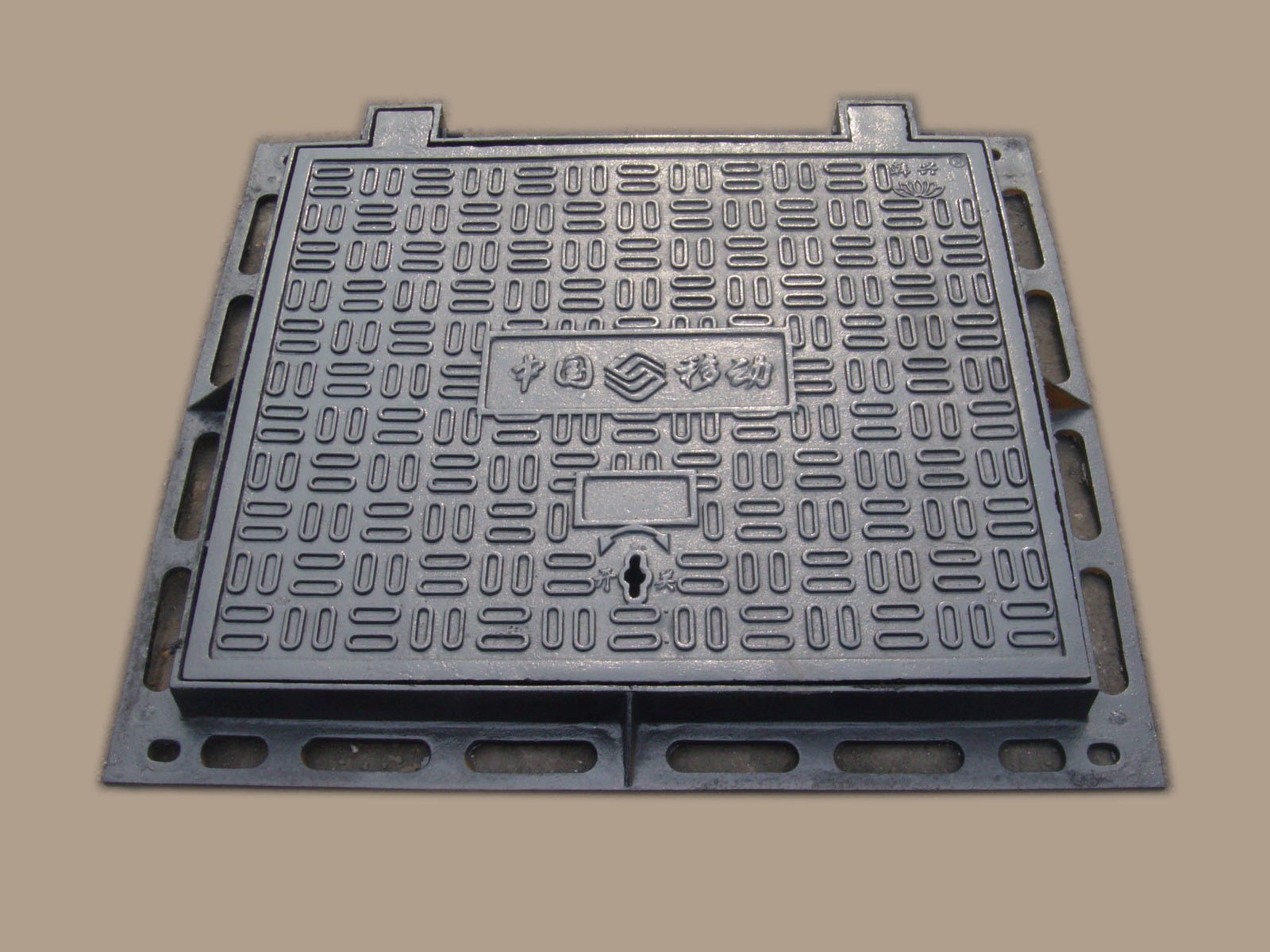
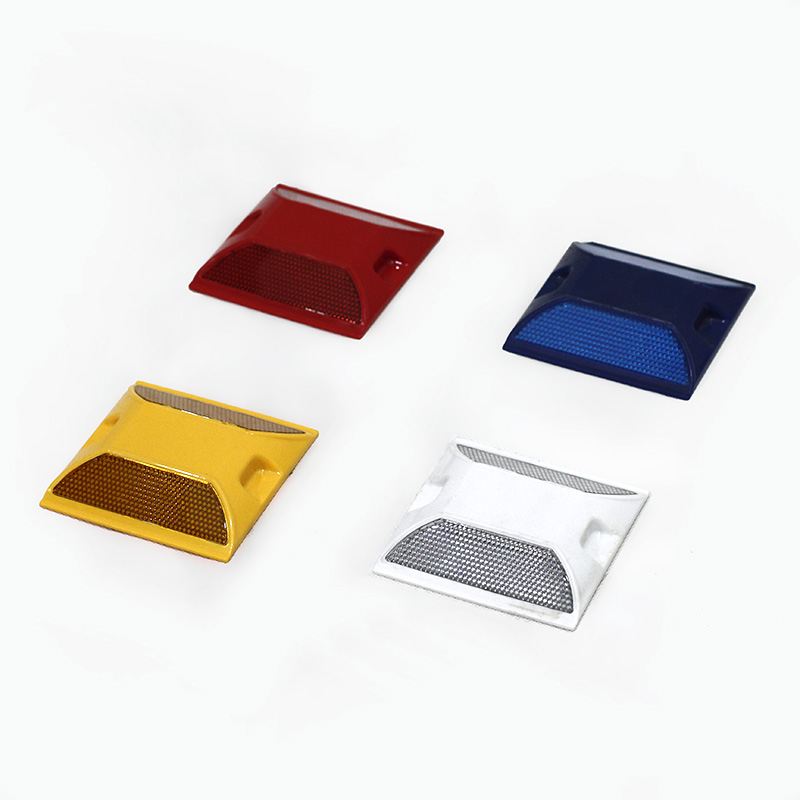
Other Roadway Products
Source wholesale Other Roadway Products directly from vetted manufacturers and suppliers. Designed for importers, distributors, and brands seeking reliable OEM and private-label production, our network delivers specialized roadway safety equipment built to exact regional compliance standards for bulk procurement.
Sourcing specialized and miscellaneous roadway safety products requires navigating a highly fragmented landscape of materials, production methods, and regional compliance standards. Because this category encompasses a wide array of specialized gear—from temporary pavement markers and unique delineator variants to specialized mounting hardware and temporary rumble strips—buyers cannot rely on a one-size-fits-all specification sheet. Success in bulk procurement depends on matching the specific product application to the right polymer blend, reflective technology, and manufacturing process.
Critical Material Specifications and Performance
The durability of roadway products is dictated by their exposure to high-velocity impacts, extreme temperature fluctuations, and constant ultraviolet (UV) radiation. Selecting the correct base material is the most critical decision in the sourcing process.
| Material | Common Applications | Performance Profile |
|---|---|---|
| Polyurethane (PU) | High-impact posts, flexible markers | High memory retention; withstands repeated vehicular impacts; excellent cold-weather performance. |
| High-Density Polyethylene (HDPE) | Rigid barriers, specialized brackets | High tensile strength; rigid; requires heavy UV stabilization to prevent brittleness. |
| Vulcanized Rubber | Temporary rumble strips, bases | High compression resistance; heavy dead-weight for stability; often utilizes recycled materials. |
| Polyvinyl Chloride (PVC) | Lightweight temporary markers | Cost-effective; moderate flexibility; prone to cracking in sub-zero temperatures if not modified. |
When specifying plastics, volume buyers must explicitly state the required percentage of UV inhibitors (often masterbatch additives) in the Bill of Materials (BOM). Without this, manufacturers may cut costs by reducing the additive, leading to products that chalk, fade, or shatter within months of deployment.
Need to ensure your roadway products meet strict regional durability standards? We can match you with the right verified manufacturer.
Talk to our teamManufacturing Processes and Quality Control
Different roadway products require entirely different production lines. Injection molding is standard for complex, rigid components like specialized brackets or heavy-duty bases. Extrusion is used for continuous profiles like temporary rumble strips or flexible delineator posts.
Because roadway safety gear is often safety-critical, defects are not just inconvenient—they can lead to liability or rejected public tenders. Implementing rigorous Quality Control & Inspection at the factory level is essential to catch variations before shipping.
Essential Factory-Floor Inspections
- Shore Hardness Testing: Verify the durometer rating matches the specification for flexibility or rigidity.
- Reflective Sheeting Adhesion: Conduct peel tests to ensure reflective tapes will not delaminate under wet or freezing conditions.
- Weight Tolerance: Check heavy rubber bases or ballasts to ensure they meet the minimum weight required to prevent wind displacement.
- Color Fastness and UV Testing: Review the factory's accelerated weathering test reports for high-visibility pigments (fluorescent orange/yellow).
Relying on a supplier's word for their production capabilities is risky. Conducting comprehensive Factory Audits helps verify that a supplier actually owns the necessary injection molding or extrusion equipment, rather than subcontracting your order to a lower-tier, unverified workshop.
Customization and OEM Production
Many importers and brands require custom modifications to meet specific Department of Transportation (DOT) or local municipal standards. This might involve altering the height of a marker, changing the interlocking mechanism of a temporary strip, or molding a custom corporate logo into the product.
Engaging in OEM/ODM Services requires clear communication regarding tooling. When developing a new mold for a plastic or rubber roadway product, buyers should clarify mold ownership, the expected lifespan of the tooling (usually measured in thousands of "shots"), and the maintenance schedule.
Pricing, MOQs, and Lead Times
Pricing for miscellaneous roadway products is heavily dependent on raw material indices (particularly petroleum and rubber prices) and the weight of the item.
Minimum Order Quantities (MOQs) vary by production method. For standard extruded or injection-molded items using existing tooling, MOQs typically range from 500 to 2,000 units. For custom OEM products requiring new molds, factories may accept a lower initial MOQ for the first pilot run to validate the tooling, but will expect higher volumes for subsequent orders to justify the setup time.
Lead times for standard, off-the-shelf designs generally run 20 to 30 days. If custom tooling or specific high-visibility pigment matching is required, expect to add an additional 15 to 25 days to the initial production cycle.
Managing custom tooling and complex BOMs can drain your resources. Let us handle the factory negotiations and production oversight.
Get a free consultationFrequently Asked Questions
Sourcing specialized roadway products in bulk is an exercise in material science and strict quality oversight. By defining exact polymer specifications, controlling the tooling process, and verifying compliance before shipment, buyers can secure highly durable products that meet the rigorous demands of infrastructure safety.
Get Sourcing Help for Other Roadway Products
Tell us your requirements and our experts will connect you with verified manufacturers.