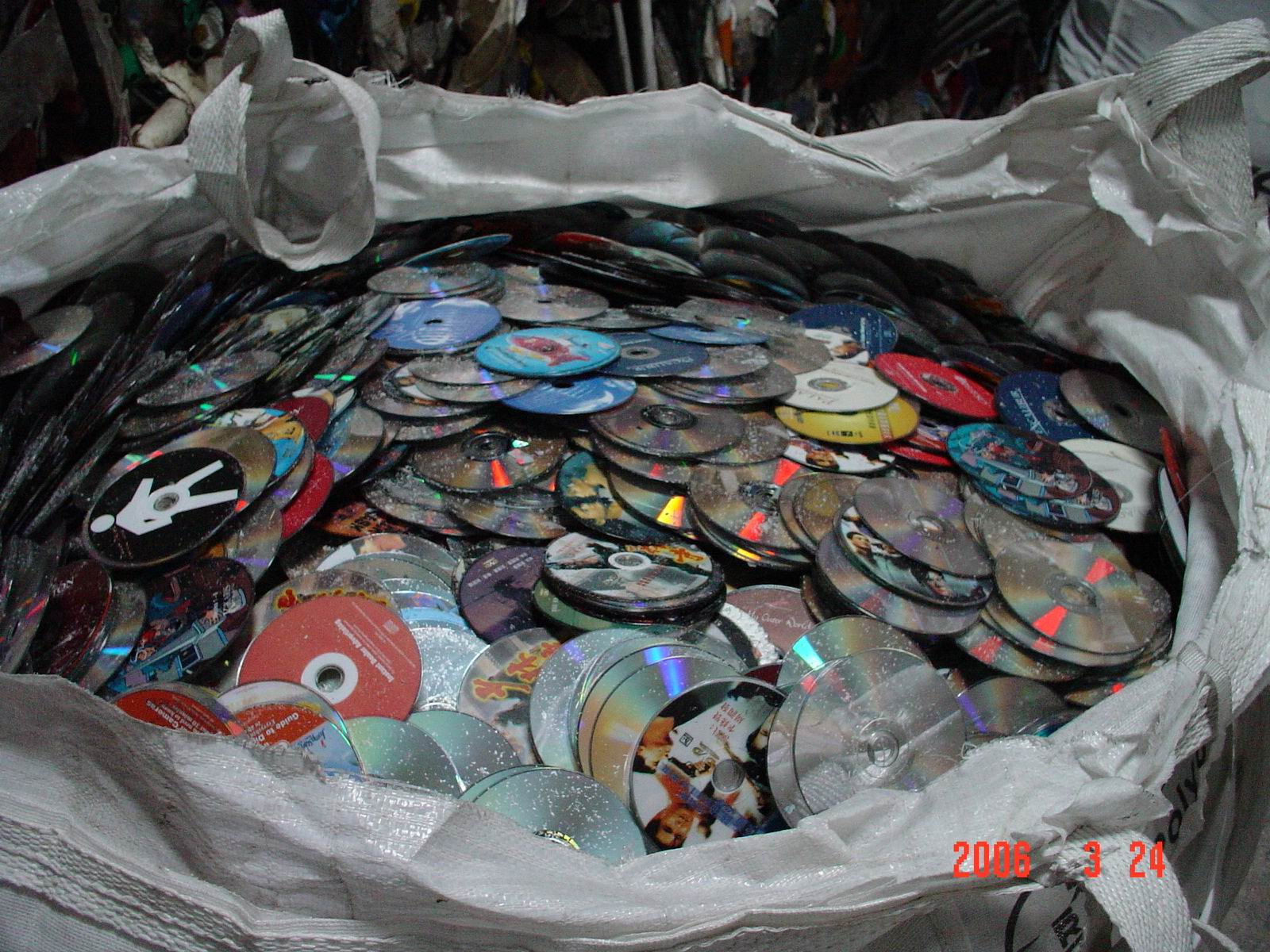
Other Recycling Products
Source specialized Other Recycling Products from vetted suppliers and manufacturers across Asia. Built for industrial importers, wholesale distributors, and procurement managers, this category covers niche recycling components and consumables. Secure competitive wholesale pricing and bulk production for your environmental supply chain.
Sourcing miscellaneous recycling products—ranging from specialized sorting conveyor components to custom industrial baling consumables—presents a unique procurement challenge. Because these items fall outside standard equipment categories, off-the-shelf specifications rarely apply. Success in this category depends heavily on identifying manufacturers with flexible production capabilities, deep material engineering expertise, and rigorous internal testing protocols.
When standard catalogs fall short, buyers must define their own technical baselines to ensure durability in high-stress, high-abrasion environmental applications.
Defining Specs for Niche Recycling Components
Whether you are sourcing custom wear parts for processing machinery or specialized collection containers, the lack of standardization means your technical documentation must be flawless. Factories producing "other" or custom recycling goods often rely entirely on buyer-provided CAD files and material requirements.
Critical Specifications to Define
- Material Composition: Exact steel grades (e.g., D2, H13) for metal parts, or specific polymer blends (e.g., HDPE, PP) for plastics.
- Hardness & Wear Resistance: Required HRC (Rockwell Hardness) levels for shredding, crushing, or sorting components.
- Dimensional Tolerances: Acceptable variance limits, especially for parts integrating into existing European or US-made recycling machinery.
- Chemical & UV Resistance: Essential for components exposed to mixed waste streams or outdoor environments.
Struggling to find a capable manufacturer for your custom recycling components? Let us match you with a vetted, engineering-focused factory.
Talk to our teamManufacturing Processes and Quality Control
The production of specialized recycling equipment and consumables spans multiple manufacturing disciplines, from heavy steel forging and CNC machining to plastic extrusion and injection molding. Quality is typically won or lost in the secondary processing stages.
For metal wear parts, improper heat treatment is the most common cause of premature failure. A blade or hammer mill part that is too brittle will shatter under impact, while one that is too soft will dull rapidly against abrasive waste. When sourcing these items, it is highly recommended to conduct comprehensive Factory Audits to verify that the supplier has in-house heat treatment facilities or partners with certified metallurgists.
For plastic components and consumables, the primary risk is the use of degraded regrind material. While using recycled plastics in recycling industry products is common and often requested, the factory must control the purity of the regrind to prevent structural weaknesses.
| Component Type | Common Material | Key Quality Check |
|---|---|---|
| High-Wear Metal Parts | D2 Tool Steel / Hardox | HRC Hardness Testing |
| Sorting Conveyor Belts | Multi-ply PVC / Rubber | Tensile Strength & Splice Integrity |
| Custom Collection Bins | UV-Stabilized HDPE | Drop Testing & Wall Thickness |
Implementing strict Quality Control & Inspection protocols before shipment is non-negotiable. This ensures that dimensional tolerances and material hardness meet your specifications before the goods leave the factory.
Navigating OEM/ODM and Custom Production
Because many products in this category are highly specialized, buyers frequently utilize OEM/ODM Services to bring proprietary designs to market or to manufacture aftermarket replacement parts for existing machinery.
When developing custom tooling (molds for plastics or dies for metal forging), clarify tooling ownership upfront. Ensure your manufacturing agreement explicitly states that you own the molds once paid for, preventing the factory from selling your proprietary designs to competitors.
Typical MOQs, Pricing Drivers, and Lead Times
Pricing and Minimum Order Quantities (MOQs) in the "other recycling products" category vary wildly depending on the manufacturing process required. Custom-machined metal parts may have low MOQs but high unit costs, while injection-molded plastics require high MOQs to amortize the setup time.
Raw material costs (steel, specialized polymers) are the primary pricing drivers. Request that your suppliers index their quotes to current commodity prices to ensure transparency.
Need to optimize your tooling costs and unit pricing? We help negotiate transparent terms and manage production schedules.
Get a free consultationFrequently Asked Questions
Sourcing unstandardized or custom recycling products demands rigorous technical oversight and reliable factory partnerships. By clearly defining your material tolerances, controlling the tooling process, and implementing strict pre-shipment inspections, you can secure durable, high-performance components that keep environmental operations running smoothly.
Get Sourcing Help for Other Recycling Products
Tell us your requirements and our experts will connect you with verified manufacturers.