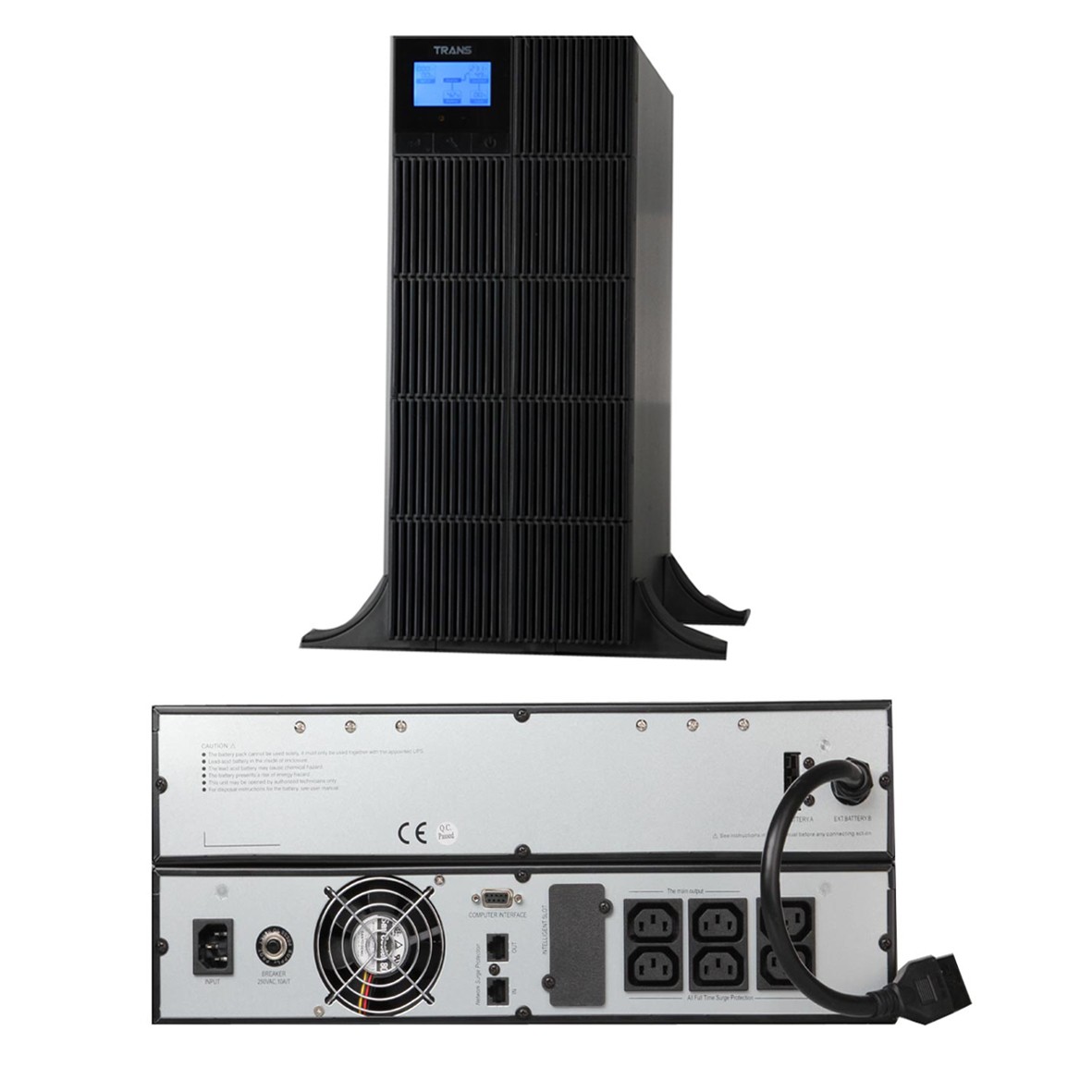
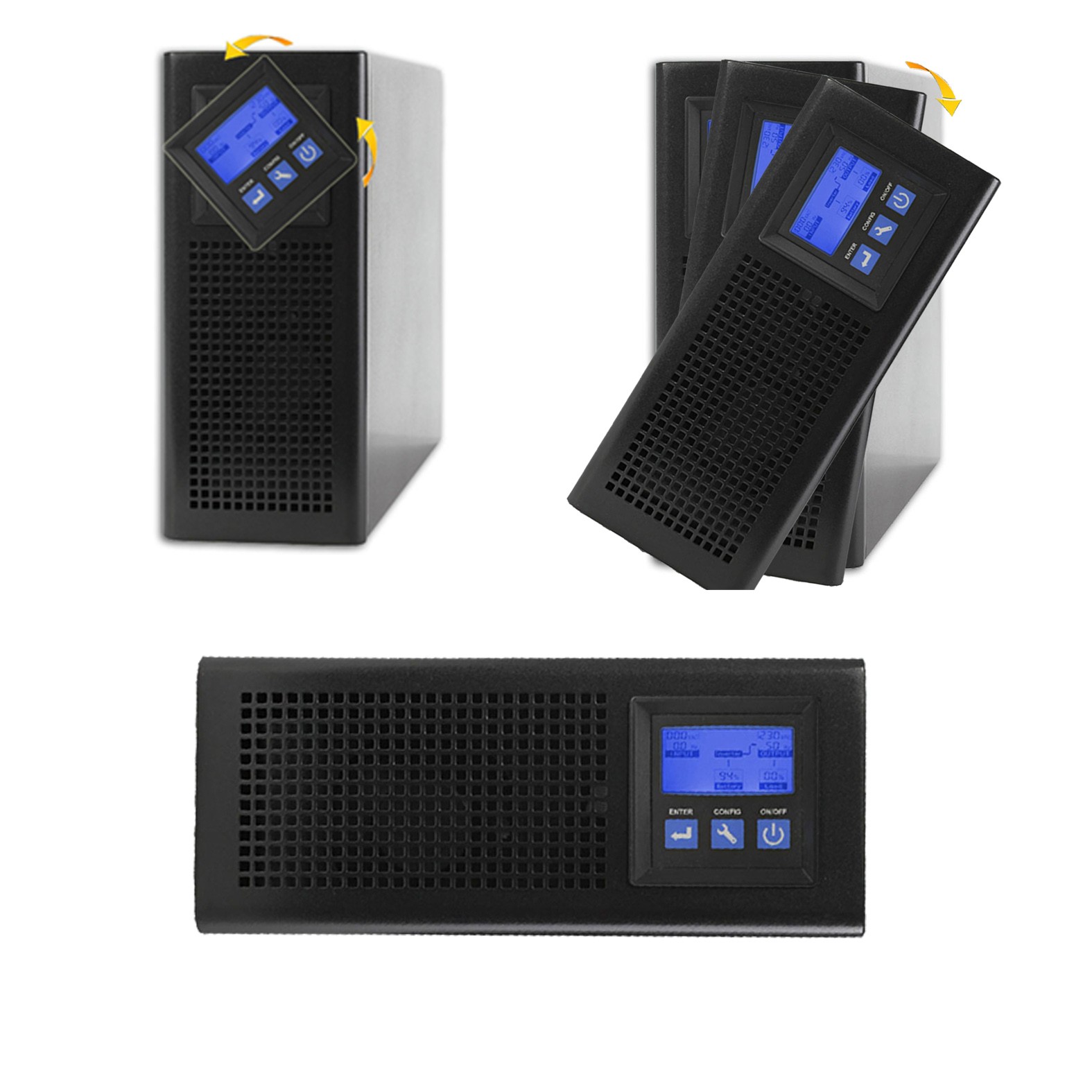
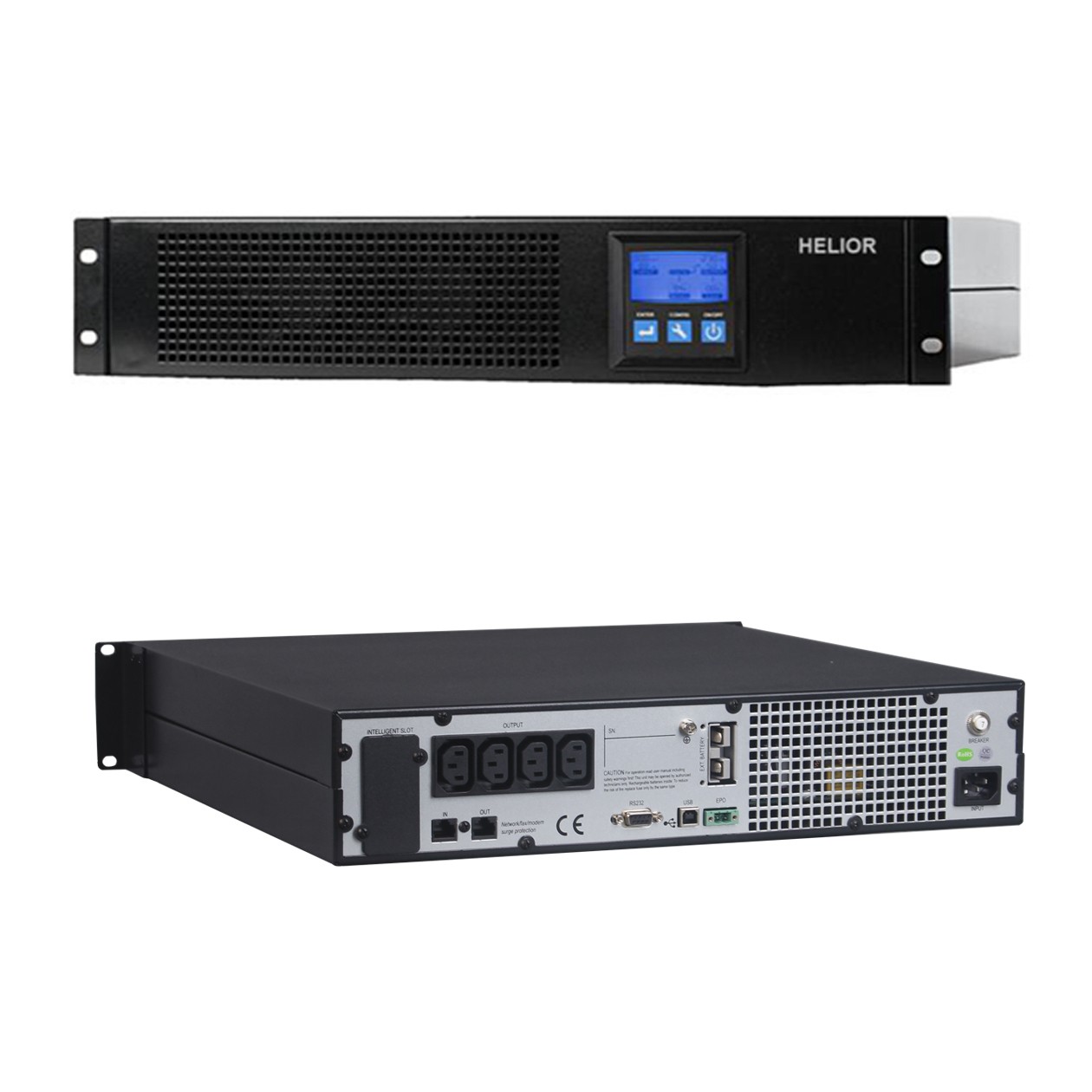
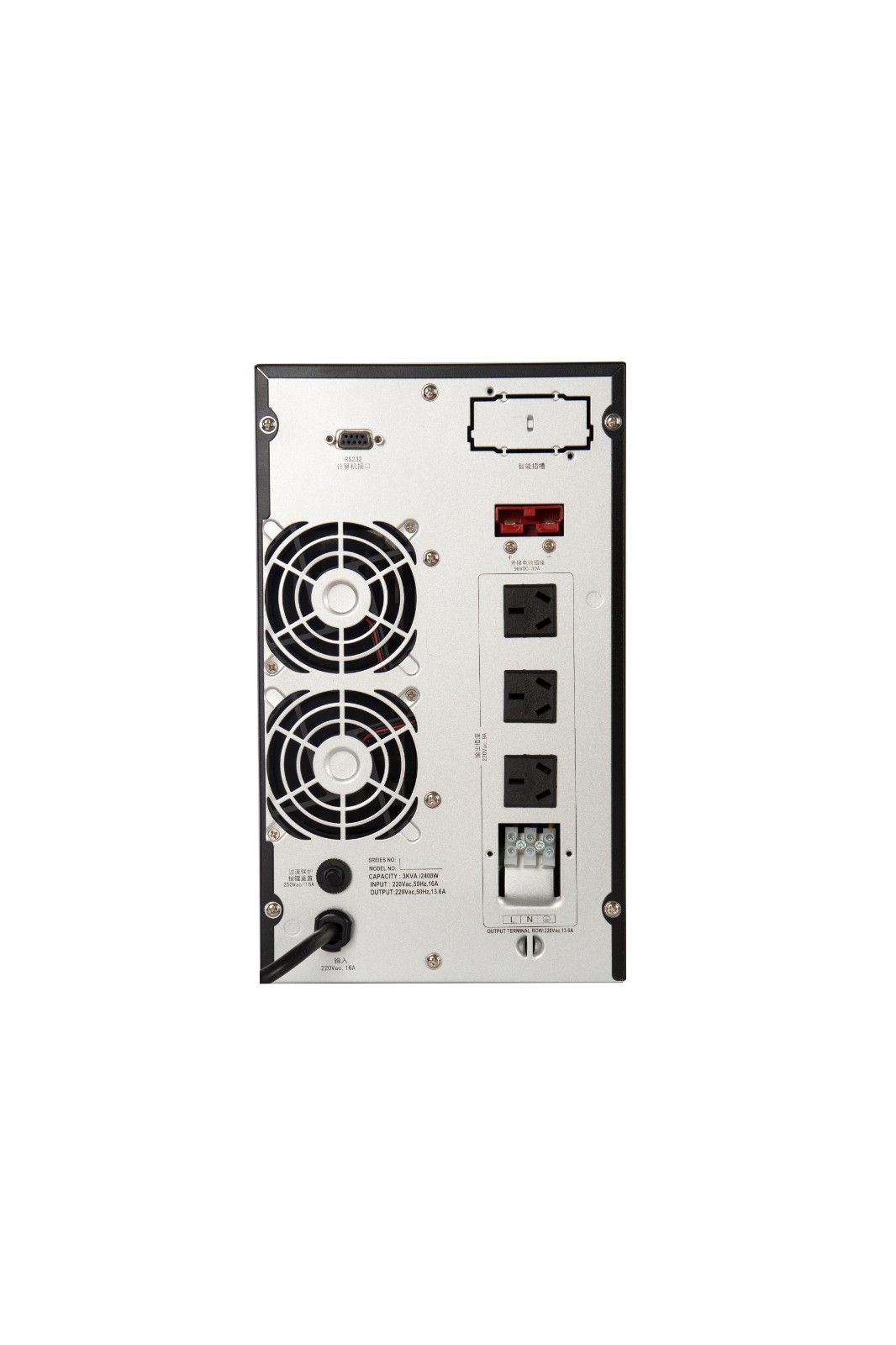
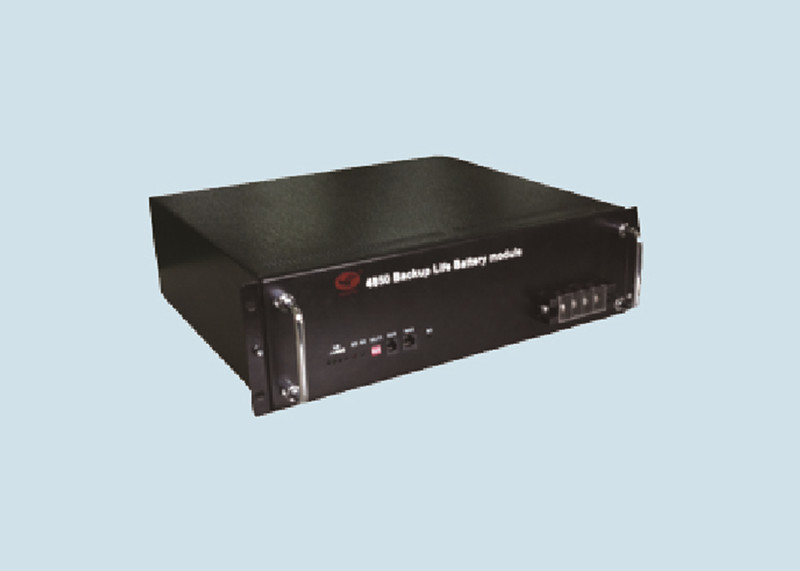
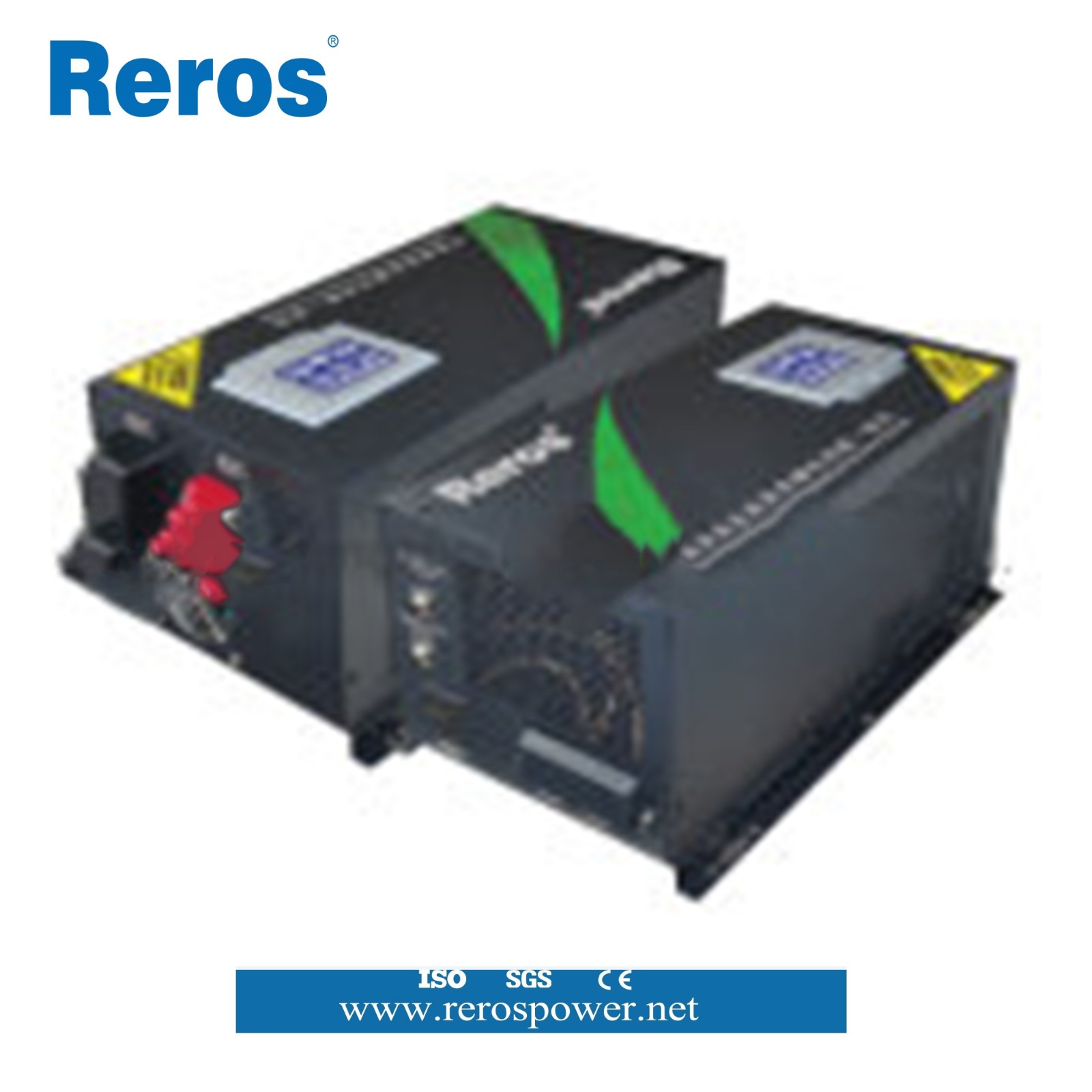
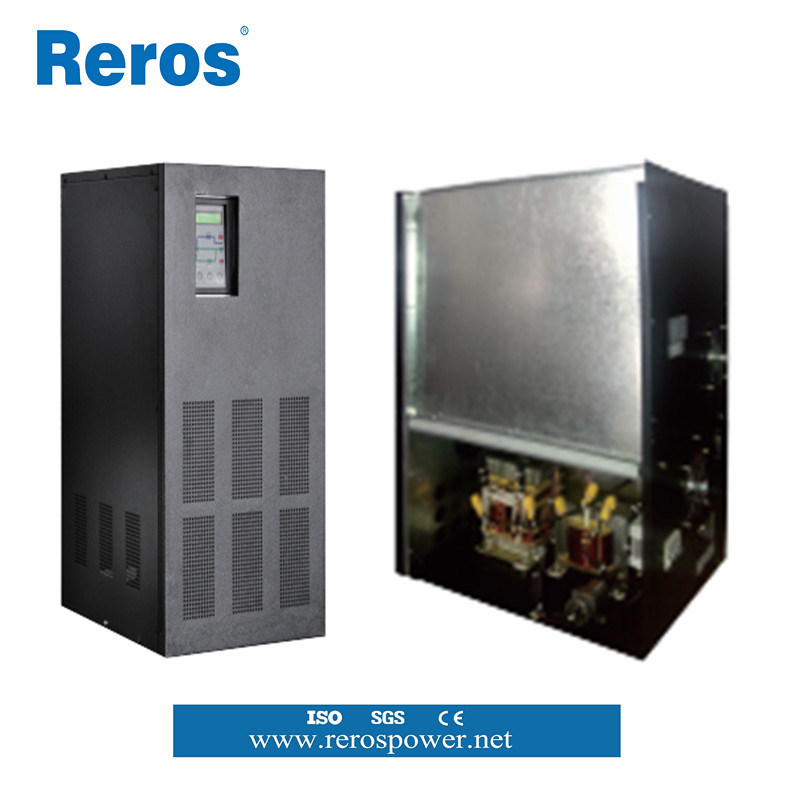
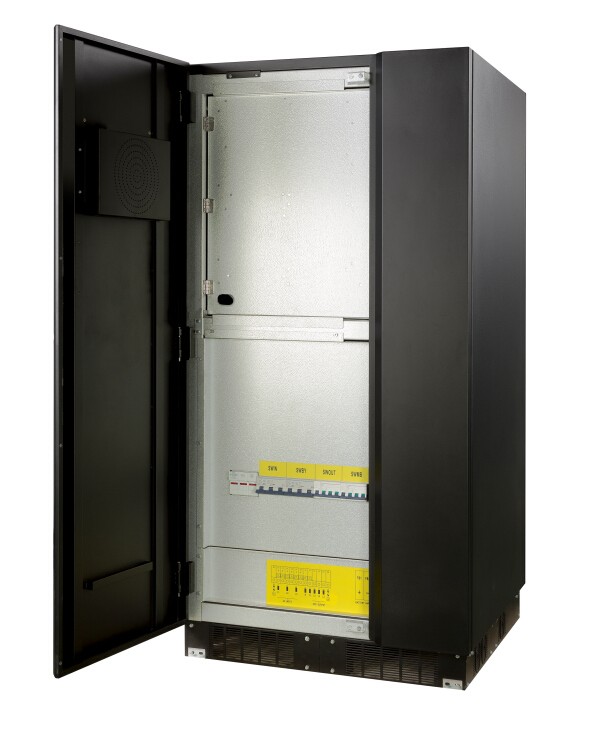
Other Power Supplies
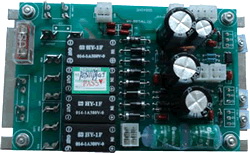
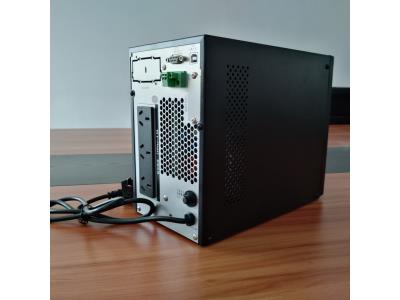
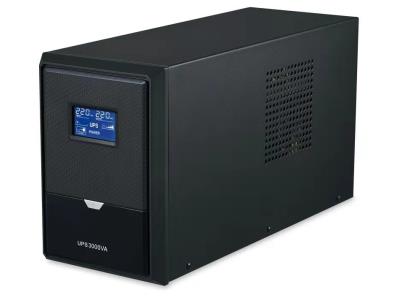
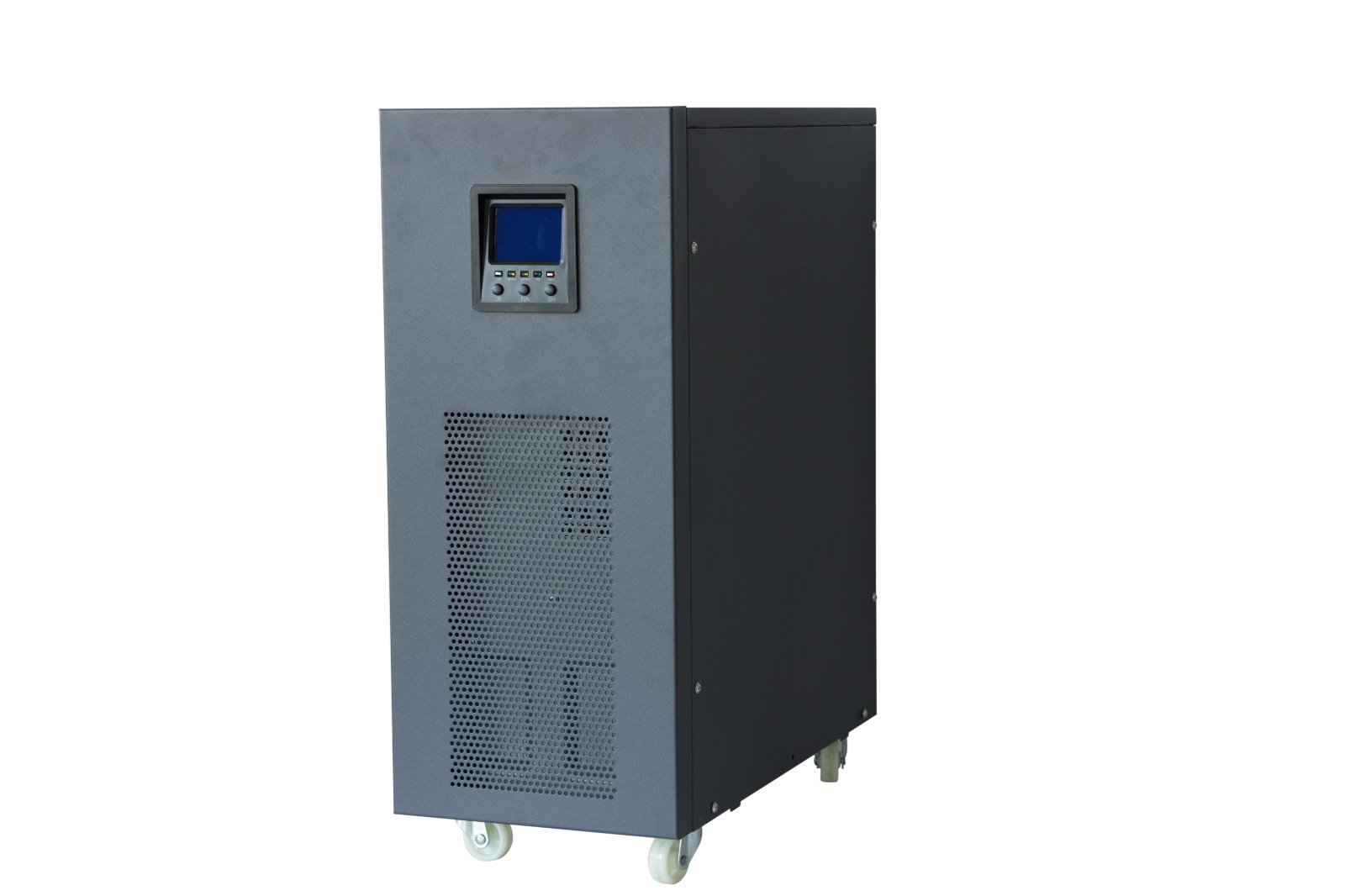
Source Other Power Supplies from vetted manufacturers and wholesale suppliers. Designed for importers, distributors, and brands requiring specialized or custom power solutions in bulk, this category connects you with OEM and ODM production partners capable of meeting stringent electrical specifications.
Sourcing specialized or non-standard power supplies—those falling outside typical consumer AC-DC adapters or standard ATX units—requires rigorous technical oversight. Whether you are procuring programmable power units, high-voltage specialty modules, custom form-factor boards, or ultra-low ripple laboratory supplies, success depends on matching your exact electrical and thermal constraints with a factory's specific engineering capabilities.
Defining Specifications for Non-Standard Power Supplies
When dealing with customized or niche power supplies, off-the-shelf datasheets rarely tell the whole story. To prevent costly redesigns or field failures, your procurement and engineering teams must define strict parameters before approaching a manufacturer.
Key technical requirements to specify include:
- Input/Output Tolerances: Define acceptable input voltage ranges (e.g., universal 90-264V AC) and strict output voltage/current limits.
- Ripple and Noise: For sensitive medical, telecom, or laboratory equipment, specify maximum peak-to-peak ripple noise (often required to be under 50mV).
- Efficiency and Standby Power: Require specific efficiency ratings (such as 80 PLUS equivalents or DoE Level VI compliance) and maximum no-load power consumption.
- Thermal Management: Specify the operating temperature range and whether the unit relies on convection cooling, forced air, or baseplate conduction.
- MTBF (Mean Time Between Failures): Demand a calculated MTBF (e.g., over 100,000 hours at 25°C full load) backed by burn-in test data.
Need help matching your custom power specifications to a capable manufacturer?
Talk to our teamManufacturing Tolerances and Component Selection
The reliability of a specialized power supply is directly tied to the factory's component sourcing and assembly standards. Factories that excel in consumer electronics often lack the supply chain maturity for industrial or medical-grade power units.
| Component / Process | Consumer-Grade Approach | Industrial/Specialty Approach |
|---|---|---|
| Capacitors | Standard 85°C rated | Premium 105°C rated (e.g., Rubycon, Nippon Chemi-Con) |
| Transformers | Off-the-shelf bobbins | Custom wound with reinforced insulation |
| PCB Protection | Bare PCB | Conformal coating or full potting for moisture/vibration resistance |
| Burn-In Testing | 2-4 hours at room temperature | 12-24 hours at 40°C to 50°C under full load |
To ensure the factory is actually utilizing the specified premium components and adhering to advanced assembly techniques, rigorous Quality Control & Inspection is essential. This includes verifying component lots before SMT assembly and conducting High Pot (dielectric withstand) testing on the production line.
Navigating Certifications and Compliance
Power supplies are highly regulated. A unit lacking proper certification can be seized at customs or result in catastrophic liability. Because "Other Power Supplies" often serve niche applications, the required certifications can be complex.
Critical Compliance Checks
- Safety Standards: Verify UL/cUL (North America), CE (Europe), or PSE (Japan) specific to your product category (e.g., IEC 62368-1 for AV/ICT equipment).
- EMC/EMI Compliance: Ensure the unit passes FCC Part 15 Class B or EN55032 for electromagnetic interference.
- Medical/Industrial Standards: If applicable, verify IEC 60601-1 (medical) or UL 508 (industrial control).
- Material Compliance: Confirm RoHS and REACH compliance for all internal components, plastics, and solders.
Manufacturers will often claim they "can" meet these standards, but passing the actual lab tests requires specific PCB layout expertise. Leveraging professional Compliance & Testing services ensures your custom units pass regulatory hurdles before mass production begins. Furthermore, conducting thorough Factory Audits prior to finalizing your supplier choice verifies that they hold valid ISO 9001 certifications and have the in-house testing equipment necessary to maintain these standards.
Pricing, MOQs, and Lead Times
Because this category leans heavily toward specialized or custom units, standard pricing models rarely apply. Costs are driven by component quality, potting requirements, and testing rig complexity.
If you are developing a proprietary power solution, engaging in structured OEM/ODM Services can help amortize Non-Recurring Engineering (NRE) costs over your initial production runs, while protecting your intellectual property.
Evaluate real-world pricing and lead times for your specific power supply requirements.
Get a free consultationFrequently Asked Questions
Procuring non-standard power supplies is an exercise in risk management. By strictly defining your electrical parameters, mandating premium internal components, and enforcing rigorous compliance testing, you can secure reliable power solutions that protect both your equipment and your brand reputation.
Get Sourcing Help for Other Power Supplies
Tell us your requirements and our experts will connect you with verified manufacturers.