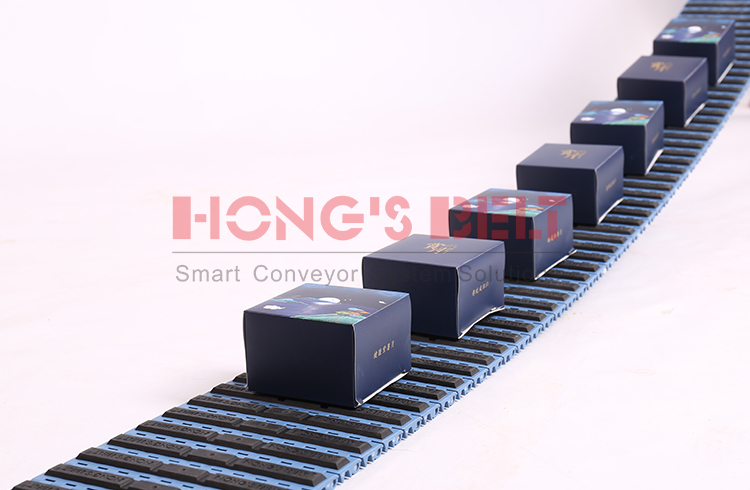
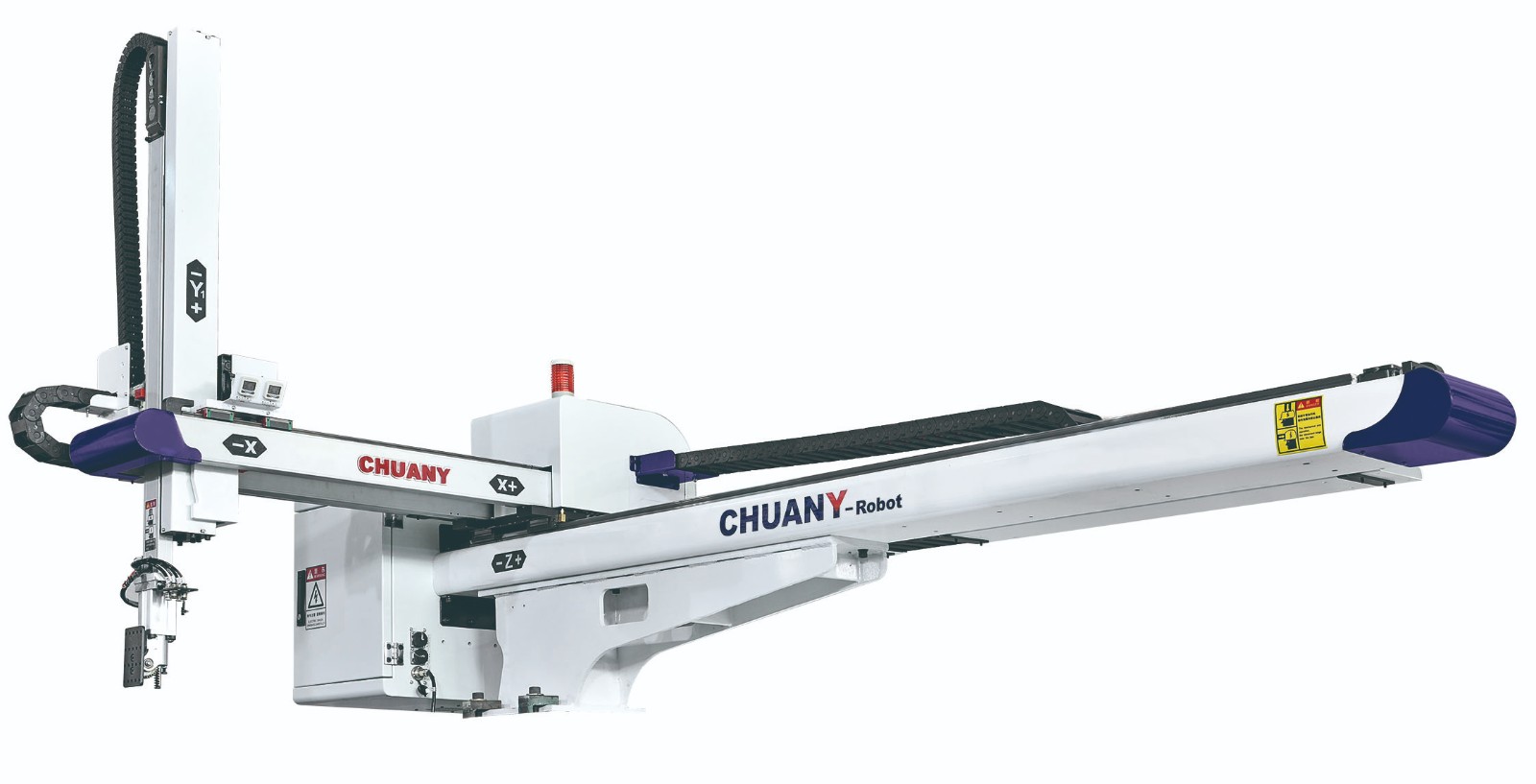
Other Plastic Auxiliary Equipment
Source specialized and other plastic auxiliary equipment from vetted manufacturers and suppliers. Designed for importers, distributors, and facility managers looking to procure bulk or OEM peripheral machinery for plastic injection and extrusion lines. Ensure seamless integration and reliable performance.
Sourcing specialized plastic auxiliary equipment—whether custom metal separators, static eliminators, specialized sprue pickers, or niche dosing units—requires precise matching to existing injection molding, blow molding, or extrusion lines. Because this category encompasses highly specific peripheral machinery, the primary sourcing challenge lies in verifying supplier engineering capabilities and ensuring seamless mechanical and electrical integration with your primary equipment.
Critical Specifications for Seamless Integration
When procuring non-standard or highly specialized peripheral machinery, assumptions about compatibility often lead to costly deployment delays. Buyers must specify integration parameters upfront, as Chinese domestic standards differ significantly from North American or European requirements.
Integration & Specification Checklist
- Electrical Standards: Specify exact voltage and frequency (e.g., 480V/60Hz 3-phase). Do not accept transformers as a workaround for primary drive motors.
- Communication Protocols: Require specific Euromap interface standards (e.g., Euromap 67 or 12) for handshake signals between the auxiliary unit and the primary IMM (Injection Molding Machine).
- Component Provenance: Specify globally supported brands for critical wear parts, contactors, and PLCs (e.g., Schneider, Siemens, Omron) to ensure local maintenance capability.
- HMI Localization: Ensure the Human-Machine Interface is programmed in the destination language, not just translated via a crude overlay.
- Mechanical Footprint: Confirm mounting flange dimensions, feed throat clearances, and overall footprint against your existing plant layout.
Navigating the Supplier Landscape
The "Other Auxiliary Equipment" category is heavily populated by trading companies aggregating niche products from various small workshops. While a trading company can offer a wide catalog, they often lack the technical depth required to troubleshoot integration issues or support custom modifications.
To ensure long-term reliability and secure favorable pricing, serious buyers need to bypass aggregators and work directly with the manufacturer. Conducting thorough Factory Audits is essential to verify that the supplier actually machines their own frames, writes their own PLC logic, and has a dedicated quality assurance testing bay rather than just assembling outsourced parts.
Need to verify a machinery supplier's true capabilities? Let us audit their factory and engineering team before you place a deposit.
Talk to our teamQuality Control on the Factory Floor
Catching defects in machinery after it has been crated and shipped is a logistical nightmare. Effective procurement in this category requires rigorous Quality Control & Inspection prior to shipment.
Inspectors should not just look at the machine; they must run it. This includes dry-running the equipment for several hours to monitor motor temperatures, verifying that safety interlocks function correctly, and checking the electrical cabinet for proper wire labeling, ferrule crimping, and routing.
Pricing Drivers, MOQs, and Lead Times
Because auxiliary equipment consists of capital goods rather than consumer consumables, MOQs are naturally low. However, unit costs scale heavily based on the origin of the internal electrical components and the degree of customization required for your market.
Shipping Considerations
Specialized machinery often requires custom ISPM-15 certified wooden crating. Ensure your supplier quotes FOB with export-grade packaging included, as poorly secured heavy components (like hoppers or heavy-duty motors) can shear off their mounts during ocean transit.
Optimize your machinery procurement. We handle supplier negotiation, technical translation, and pre-shipment testing.
Get a free consultationFrequently Asked Questions
Sourcing Insight
Successfully procuring specialized plastic auxiliary equipment is rarely about finding the absolute lowest price; it is about finding a manufacturer with the engineering discipline to build equipment that integrates seamlessly into your existing lines. Prioritize suppliers who ask detailed technical questions about your primary machinery and plant layout—it is the strongest indicator of a factory that understands the realities of industrial production.
Get Sourcing Help for Other Plastic Auxiliary Equipment
Tell us your requirements and our experts will connect you with verified manufacturers.