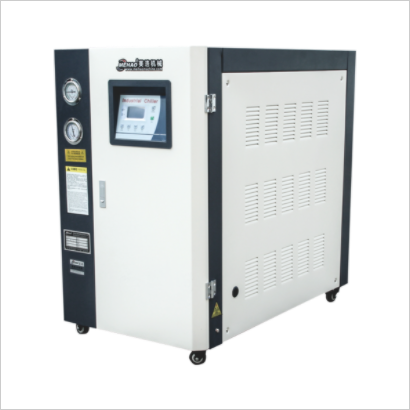
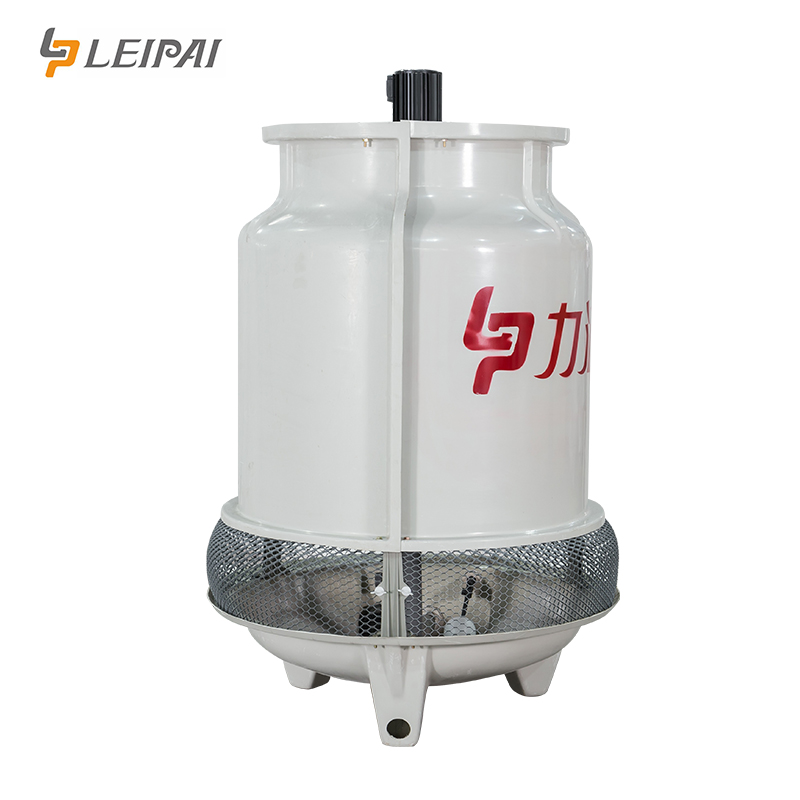
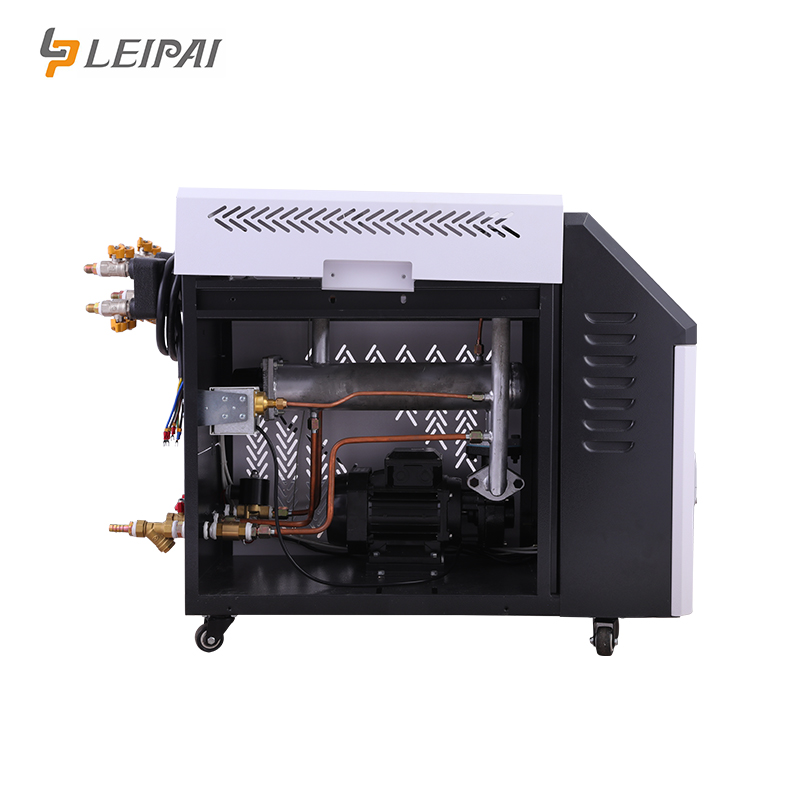
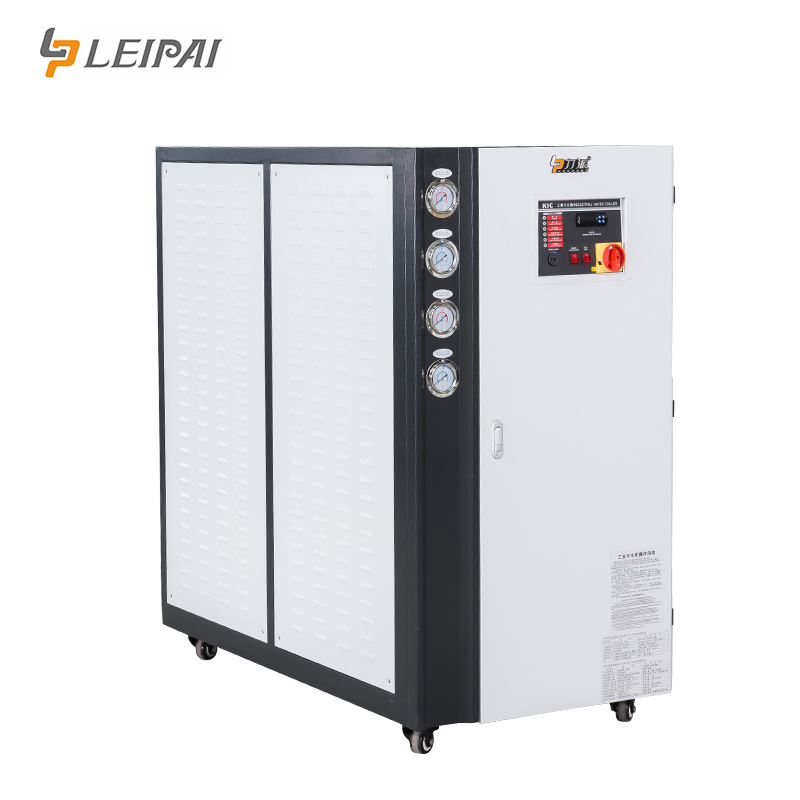
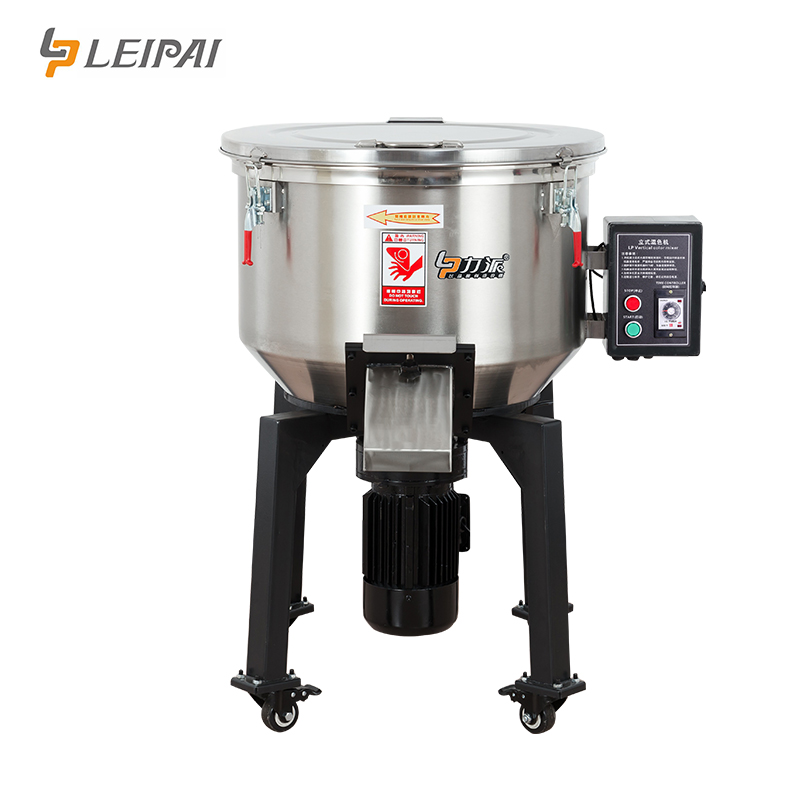
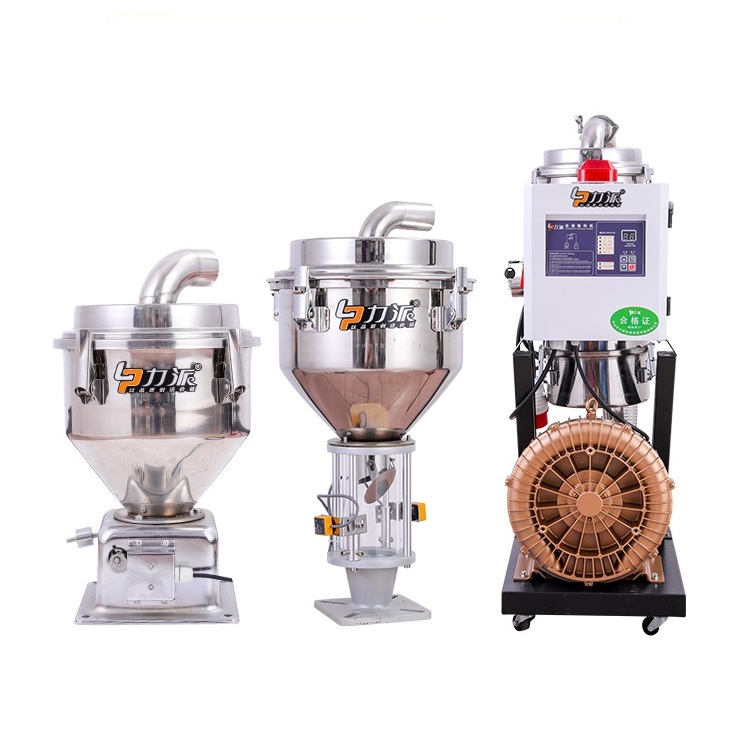
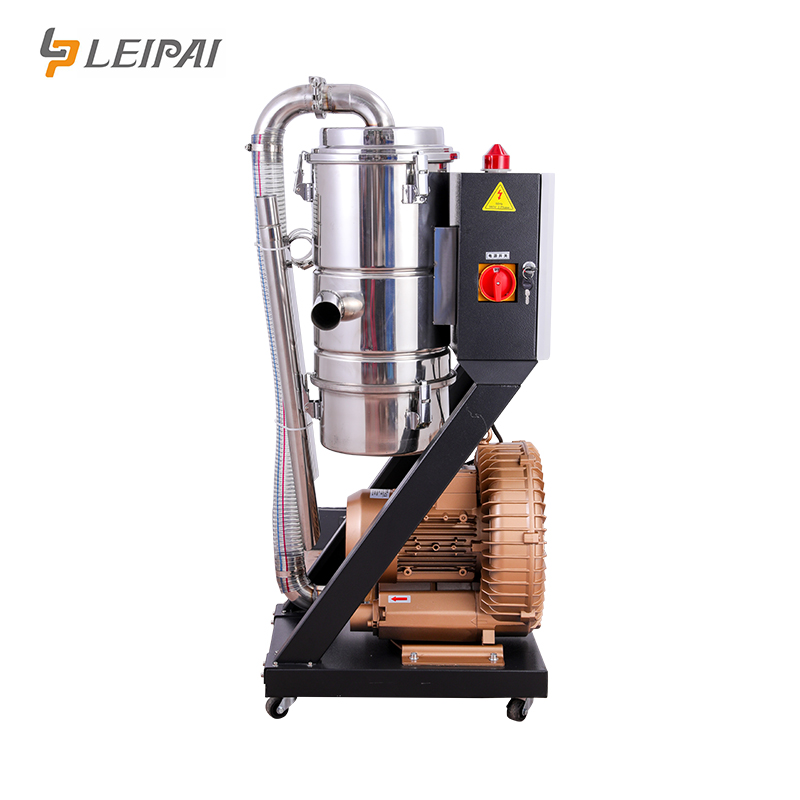
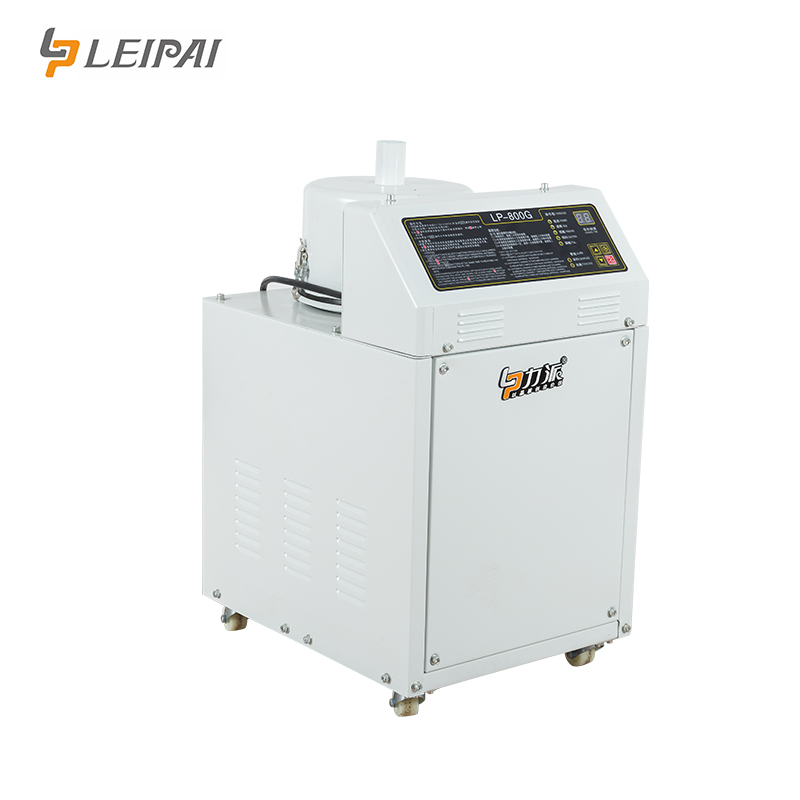
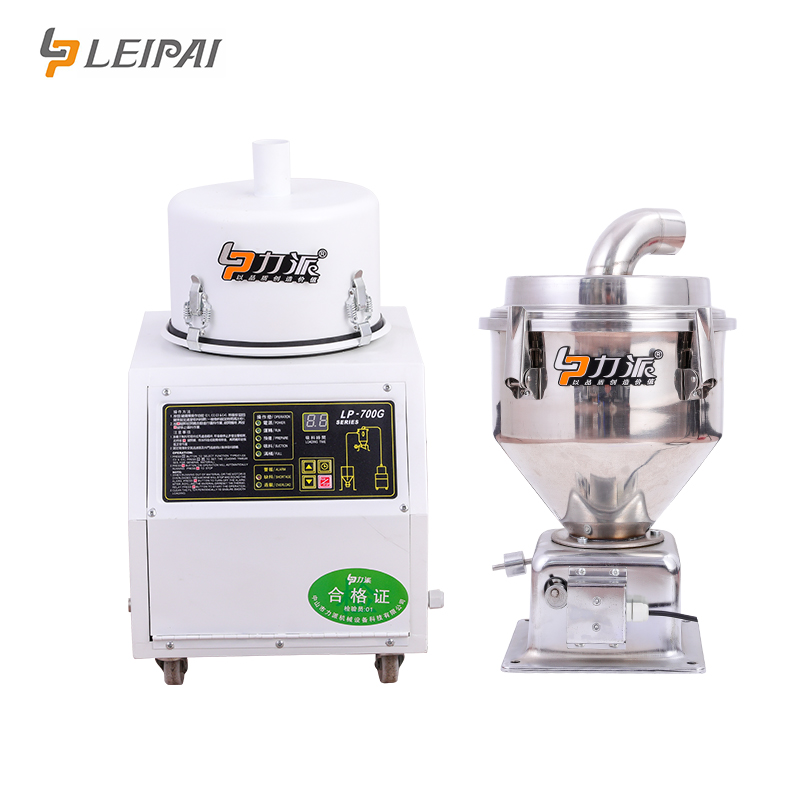
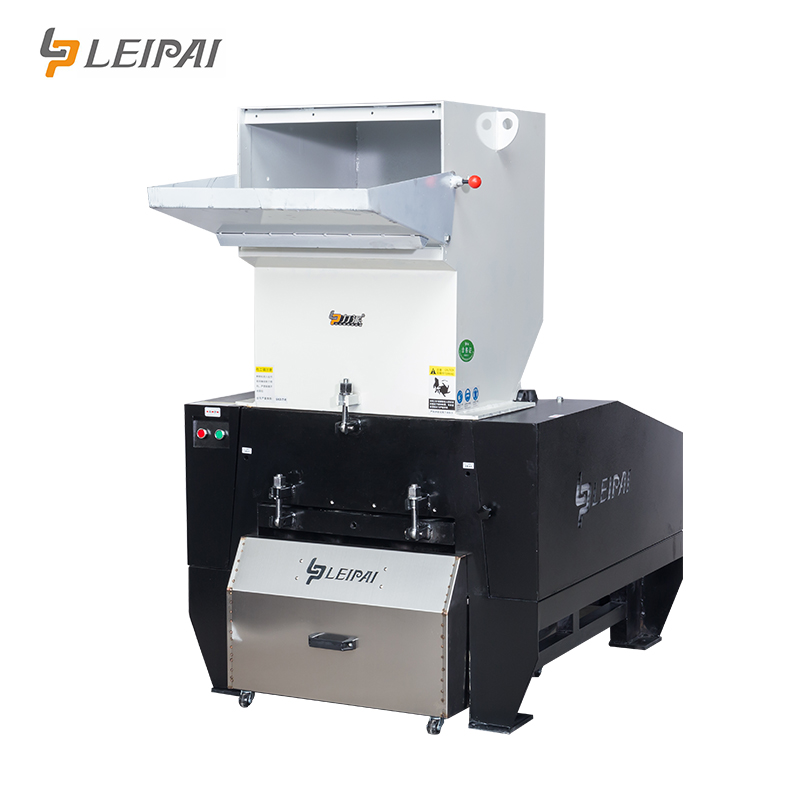
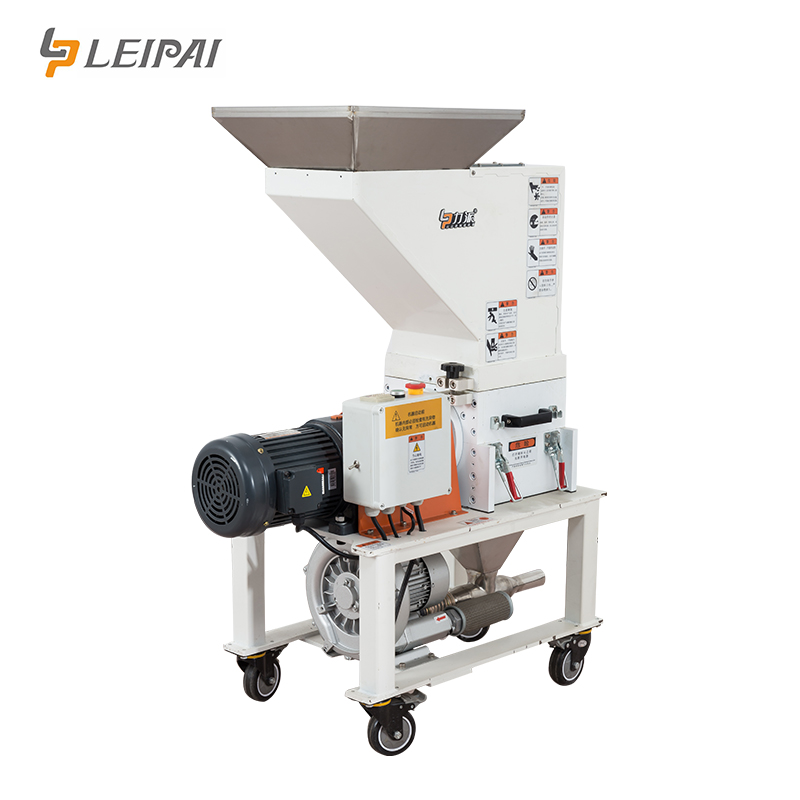
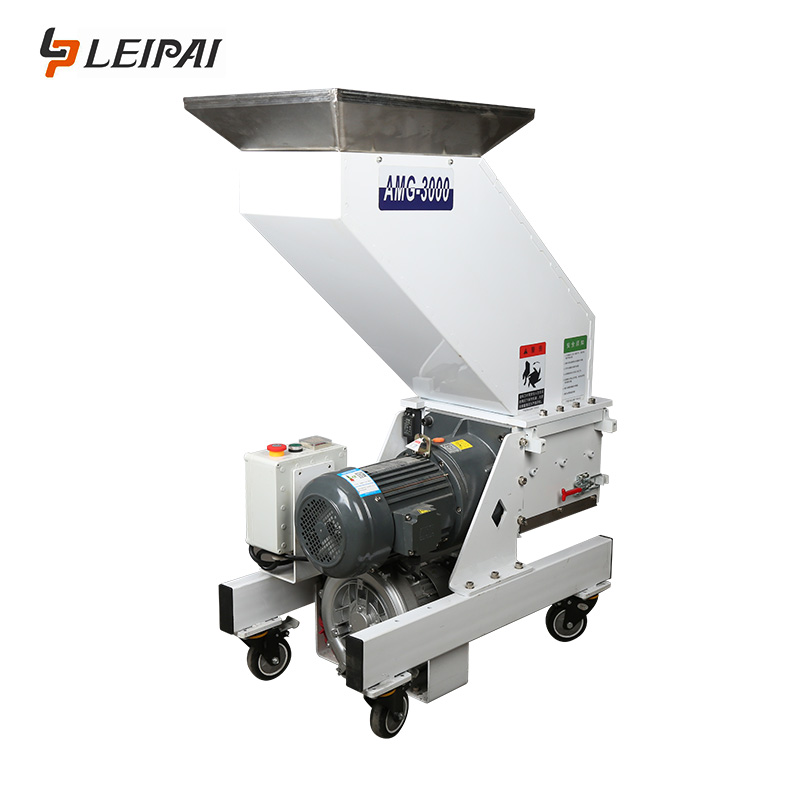
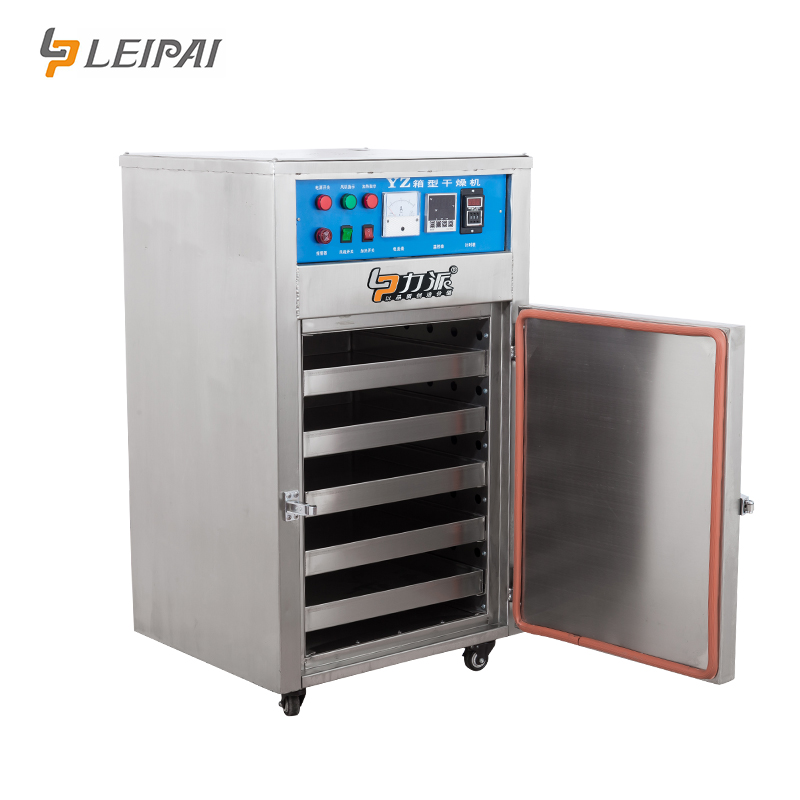
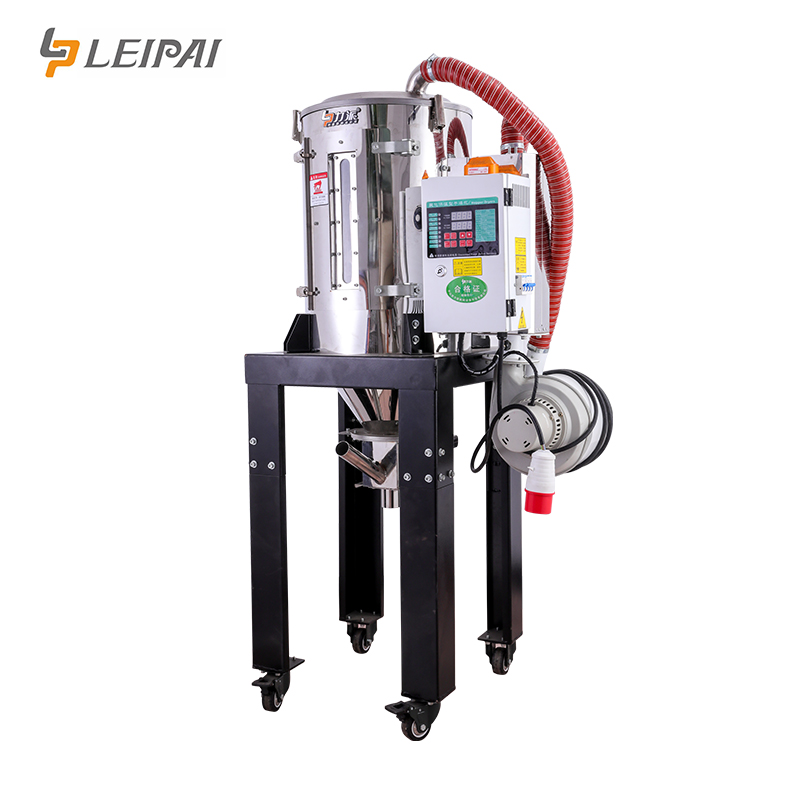
Other Plastic and Rubber Machine
Source specialized and auxiliary plastic and rubber machinery directly from vetted manufacturers in China and across Asia. Built for importers, industrial distributors, and facility procurement managers buying in volume, our network delivers reliable equipment for niche processing, recycling, and seamless production line integration.
When sourcing auxiliary or specialized plastic and rubber machinery, the primary challenge is system integration. Whether you are procuring industrial chillers, specialized vulcanizing presses, heavy-duty granulators, or automated trimming units, these machines must seamlessly sync with primary injection or extrusion lines. The highly fragmented nature of this equipment category means separating true manufacturers from trading companies is critical to ensuring ongoing technical support, accurate voltage matching, and reliable warranty fulfillment.
Critical Specifications for Auxiliary Integration
Because "other" machinery spans everything from material handling to downstream recycling, generic specifications are useless. Buyers must define exact operational parameters to ensure the equipment won't bottleneck the primary production line.
When negotiating with suppliers, ensure your technical dossier explicitly covers:
- Throughput Matching: The auxiliary unit's processing capacity (measured in kg/hr or tons/hr) must exceed the primary line's output by at least 15 to 20 percent to absorb production spikes.
- Electrical and Control Compatibility: Specify the exact voltage, phase, and frequency (e.g., 480V/3-phase/60Hz for North America). Furthermore, determine if the machine requires an independent PLC or if it must integrate into a centralized SCADA system via specific protocols (like Modbus or Profinet).
- Material Specificity: Granulators and shredders must be fitted with blade geometries and steel grades (such as SKD-11 or D2) specifically hardened for the polymers or rubbers you process.
| Specification Focus | Standard Equipment | High-Performance / Custom |
|---|---|---|
| Control Systems | Standalone relay logic or basic PLC | Networked PLC (Siemens/Allen-Bradley) with HMI |
| Wear Components | Standard carbon steel blades/screws | Tungsten carbide coated or SKD-11 tool steel |
| Motor Efficiency | IE1 / IE2 standard motors | IE3 / IE4 premium efficiency with VFDs |
Navigating a fragmented machinery market? Let us match your technical requirements with a vetted, specialized manufacturer capable of true customization.
Talk to our teamManufacturing Quality and Supplier Verification
The biggest risk in this category is purchasing from an assembler or trading company posing as a primary manufacturer. True factories possess in-house CNC machining centers for fabricating critical components like rotors, shafts, and cutting chambers. Assemblers, on the other hand, buy off-the-shelf components and bolt them together, severely limiting their ability to customize dimensions or troubleshoot complex mechanical failures.
Before issuing a purchase order, conducting thorough Factory Audits is essential to verify the supplier's machining capabilities and quality management systems.
Factory Evaluation Criteria for Specialized Machinery
- Verify in-house CNC machining capabilities for core mechanical parts.
- Check the source of critical electrical components (e.g., Schneider, Omron, Siemens) to prevent counterfeit usage.
- Review the factory's dynamic balancing reports for rotating equipment like granulator rotors or centrifuge drums.
- Ensure documented run-off testing procedures using your specific polymer or rubber compounds.
During production, implementing rigorous Quality Control & Inspection is non-negotiable. Pre-shipment inspections for machinery must include a Factory Acceptance Test (FAT) under load. Running the machine dry is insufficient; it must process the intended material to verify throughput, vibration levels, and thermal stability.
Procurement Realities: Pricing, MOQs, and Logistics
While industrial machinery typically has a Minimum Order Quantity (MOQ) of one unit, wholesale distributors and procurement managers often order mixed containers of auxiliary equipment to outfit entire facilities or stock regional warehouses.
Pricing is heavily dictated by the origin of the core components. A machine utilizing domestic Chinese motors and PLCs will cost significantly less than one specified with imported Japanese or German electrical systems. However, the higher upfront cost of premium components often yields a lower total cost of ownership through reduced downtime.
Transporting heavy, irregularly shaped machinery requires specialized logistics. Proper export crating, anti-rust treatments, and secure container lashing are vital to prevent transit damage. Coordinating Shipping & Freight for out-of-gauge equipment often involves flat-rack containers or complex consolidation strategies, making an experienced logistics partner invaluable.
Need reliable landed cost estimates? We handle supplier negotiation, heavy freight consolidation, and customs clearance for industrial machinery.
Get a free consultationBuyer FAQ
Sourcing specialized plastic and rubber machinery requires looking past the spec sheet and scrutinizing the factory's engineering depth. Ensuring that the equipment integrates flawlessly into your existing infrastructure is just as important as the purchase price. By rigorously vetting suppliers and mandating strict performance testing before shipment, you can secure reliable industrial assets that drive long-term operational efficiency.
Get Sourcing Help for Other Plastic and Rubber Machine
Tell us your requirements and our experts will connect you with verified manufacturers.