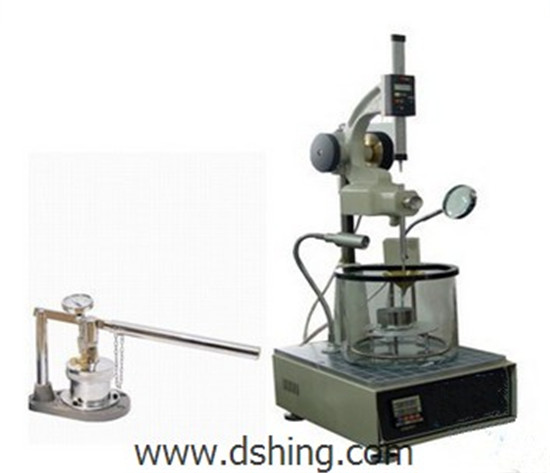
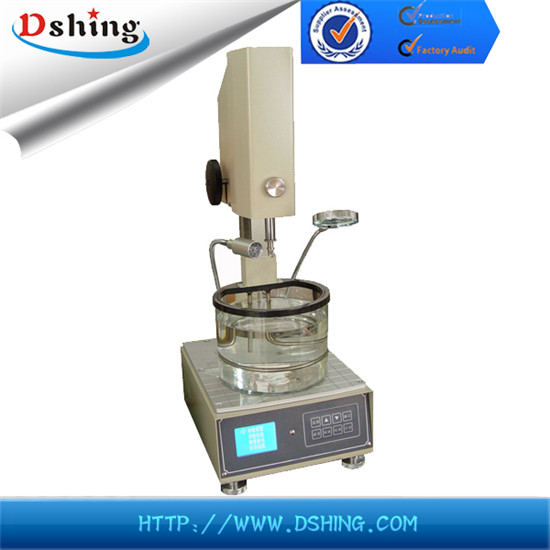
Other Physical Measuring Instruments
Source high-precision Other Physical Measuring Instruments from vetted manufacturers and wholesale suppliers. Designed for importers, industrial distributors, and brands requiring OEM or private-label production, our network delivers reliable, compliant testing equipment for specialized measurement applications.
When sourcing specialized or niche physical measuring instruments that fall outside standard high-volume categories, the procurement challenge shifts from comparing commoditized specifications to validating a manufacturer's core engineering capabilities. Whether you are purchasing custom tension meters, specialized friction testers, unique torque gauges, or advanced material property analyzers, the reliability of the instrument depends entirely on sensor integration, signal processing, and strict calibration traceability.
Defining Core Specifications for Niche Instruments
Because these instruments often serve specialized industrial applications, off-the-shelf specifications rarely tell the whole story. Factories producing "other" measuring devices often use generic housings but vary the internal components drastically based on the target price point.
To ensure the equipment performs accurately in your target market, you must dictate the internal bill of materials (BOM), specifically regarding the sensor and the analog-to-digital converter (ADC).
Critical Specifications to Define with Your Supplier
- Sensor Origin and Type: Specify whether load cells, piezoelectric sensors, or optical encoders are domestic or imported (e.g., German or Japanese sensors for higher precision).
- Resolution vs. Accuracy: Ensure the factory distinguishes between the display resolution (e.g., 0.01 units) and the actual measurement accuracy (e.g., ±0.5% of full scale).
- Sampling Rate: For dynamic physical measurements, specify the required Hz or kHz sampling rate to prevent data aliasing during rapid physical changes.
- Environmental Tolerances: Define operating temperature ranges and humidity limits, as cheap sensors suffer from severe thermal drift.
Struggling to verify the technical capabilities of specialized instrument manufacturers? Let us help you evaluate their engineering and sensor integration.
Talk to our teamManufacturing Quality and Calibration Standards
The difference between a reliable industrial instrument and a disposable tool is won or lost during PCB assembly, shielding, and final calibration. Electromagnetic interference (EMI) can severely impact the accuracy of sensitive physical measuring devices. Factories cutting corners often omit internal shielding or use unshielded cables between the sensor and the mainboard.
| Housing & Shielding | Impact on Measurement | Best For |
|---|---|---|
| Standard ABS Plastic | Prone to EMI; poor thermal stability | Basic, low-precision environments |
| ABS with Internal Copper Shielding | Reduces EMI; moderate thermal stability | Mid-range industrial tools |
| Die-Cast Aluminum Alloy | Excellent EMI protection; highly stable | High-precision, harsh environments |
Furthermore, calibration is not a one-time step but a systemic process. Relying on a factory's internal testing without independent verification is a common pitfall. Implementing strict Quality Control & Inspection protocols ensures that each batch is tested against known reference standards before shipping. For highly regulated markets, you may also need to coordinate Compliance & Testing to ensure CE, RoHS, or FCC requirements are met.
Pricing, MOQs, and OEM Customization
Because "other" physical measuring instruments are often low-volume, high-margin items, the manufacturing landscape is highly fragmented. Many suppliers listed on B2B directories are trading companies, not the actual engineers of the device.
If you are developing a custom measurement tool or modifying an existing design, utilizing OEM/ODM Services allows you to alter firmware, adjust measurement algorithms, and customize the housing.
Pricing is driven almost entirely by the sensor's origin and the required calibration standard. A device claiming an accuracy of under 0.1 percent will cost significantly more than one rated for 1.0 percent, even if they look identical on the outside.
Planning a private-label line of specialized measuring instruments? We can negotiate MOQs and manage the OEM process directly with the factory.
Get a free consultationFrequently Asked Questions
Sourcing specialized physical measuring instruments requires looking past the outer casing to evaluate the core engineering and calibration rigor of the supplier. Engaging in thorough Factory Audits prior to placing an order ensures your chosen partner has the technical depth to deliver consistent, accurate industrial tools.
Get Sourcing Help for Other Physical Measuring Instruments
Tell us your requirements and our experts will connect you with verified manufacturers.