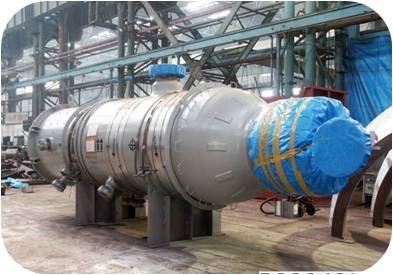
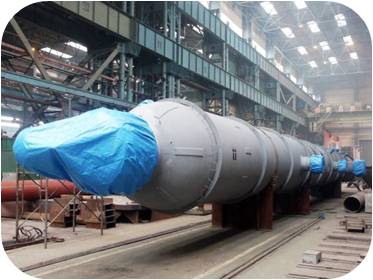
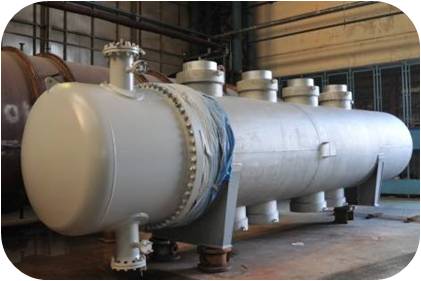
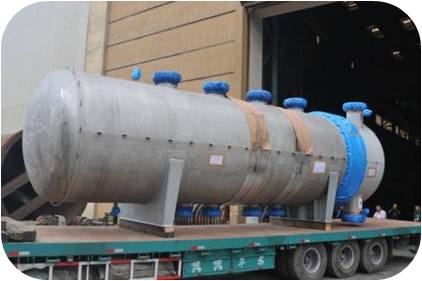
Other Petrochemical Engineering
Source Other Petrochemical Engineering components and modular systems from vetted suppliers and manufacturers. Designed for EPC contractors, industrial procurement managers, and specialized distributors looking for reliable, scalable fabrication, OEM production, and direct-from-factory pricing.
Sourcing specialized petrochemical engineering equipment—such as custom process skids, non-standard separation units, or specialized piping spools—requires rigorous supplier oversight. When procuring these systems from overseas fabricators, the primary challenge is not finding production capacity, but identifying facilities that strictly adhere to international codes (like ASME, API, or EN) while maintaining full material traceability.
For EPC contractors and industrial buyers, successfully importing these engineering packages hinges on tight quality control, robust documentation, and precise project management.
Critical Specifications and Fabrication Standards
Petrochemical engineering projects demand exact adherence to metallurgical specifications and welding standards. A fabricator's ability to execute complex welds on high-alloy materials dictates their suitability for your project.
When evaluating a manufacturer, you must assess their core competencies in handling specific material grades and their documented welding procedures. Many buyers utilize Factory Audits to physically verify a facility's ASME stamps, heavy-lifting capacity, and the validity of their welders' certifications before issuing a purchase order.
| Material Category | Common Grades | Typical Application |
|---|---|---|
| Carbon Steel | SA-516 Gr. 70, SA-106 Gr. B | Standard pressure vessels, structural skids, low-corrosion piping |
| Austenitic Stainless | 304/304L, 316/316L | Corrosive environments, moderate temperature applications |
| Duplex & Super Duplex | UNS S31803, UNS S32750 | High-chloride environments, offshore modular packages |
Need help verifying a fabricator's ASME credentials, welding capabilities, and production capacity?
Talk to our teamQuality Control and Material Traceability
In petrochemical engineering, a component without proper documentation is effectively useless. Quality is won or lost in the non-destructive testing (NDT) phase and the meticulous compilation of the Manufacturer's Data Report (MDR).
Defects in pressure-retaining welds or the use of counterfeit steel grades can lead to catastrophic failures. Implementing rigorous Quality Control & Inspection protocols, including third-party oversight during critical hold points, is essential.
Critical Documentation and Testing Checklist
- Material Test Reports (MTRs) for all pressure-retaining components and structural steel
- Welding Procedure Specifications (WPS) and Procedure Qualification Records (PQR)
- Non-Destructive Testing (NDT) reports including Radiographic (RT) and Ultrasonic (UT) testing
- Positive Material Identification (PMI) reports for alloy components
- Hydrostatic or pneumatic pressure test certificates signed by certified inspectors
- Surface preparation and coating inspection reports (e.g., NACE standards)
Watch the Hold Points
Ensure your Inspection and Test Plan (ITP) clearly defines witness and hold points. Do not allow the factory to proceed past a critical hold point (such as a root pass inspection on a crucial weld) without authorization.
Project Mechanics: Lead Times, MOQs, and Pricing
Unlike standard off-the-shelf products, petrochemical engineering components are highly customized and project-driven. Minimum Order Quantities (MOQs) are typically dictated by the project scope rather than arbitrary factory limits—often starting at a single modular skid or a specific lot of custom spools.
Pricing is highly volatile, driven by the current market rates for raw materials (especially nickel and molybdenum for stainless grades), the complexity of the engineering required, and the extent of NDT specified in the contract.
Because these are often oversized or heavy-lift items, freight logistics must be planned concurrently with fabrication. Coordinating out-of-gauge shipments (using flat racks or breakbulk vessels) requires specialized Supply Chain Management to prevent costly delays at the port of origin.
Managing complex engineering procurement, heavy freight, and strict ITP requirements?
Get a free consultationFrequently Asked Questions
Successfully sourcing petrochemical engineering packages is an exercise in rigorous risk management. By enforcing strict adherence to your ITP, validating material traceability at every step, and carefully managing heavy-lift logistics, you can leverage global fabrication capacity without compromising plant safety or project timelines.
Get Sourcing Help for Other Petrochemical Engineering
Tell us your requirements and our experts will connect you with verified manufacturers.