Other Personal Care Appliances
Source bulk Other Personal Care Appliances directly from vetted manufacturers and suppliers. Designed for importers, wholesalers, and brands seeking reliable OEM and private-label production, this selection covers specialized devices engineered to strict quality and compliance standards.
Sourcing specialized personal care devices requires navigating a highly fragmented supplier base. Because this category encompasses a wide range of motorized, heated, and battery-operated gadgets—from targeted skincare tools to grooming accessories—standardizing your procurement approach can be difficult. Success in this vertical hinges on component reliability, skin-safe materials, and rigorous regulatory adherence.
Core Specifications: Motors, Batteries, and Materials
When evaluating factory capabilities, the internal components dictate both the lifespan of the appliance and the end-user experience. Factories often quote low unit prices by compromising on motor quality or using uncertified lithium-ion cells.
Specify the following when requesting quotations:
- Motor Technology: For vibrating or rotating devices, specify whether you require a standard brushed DC motor (cost-effective, shorter lifespan) or a Brushless DC (BLDC) motor (higher RPM stability, longer life, lower noise).
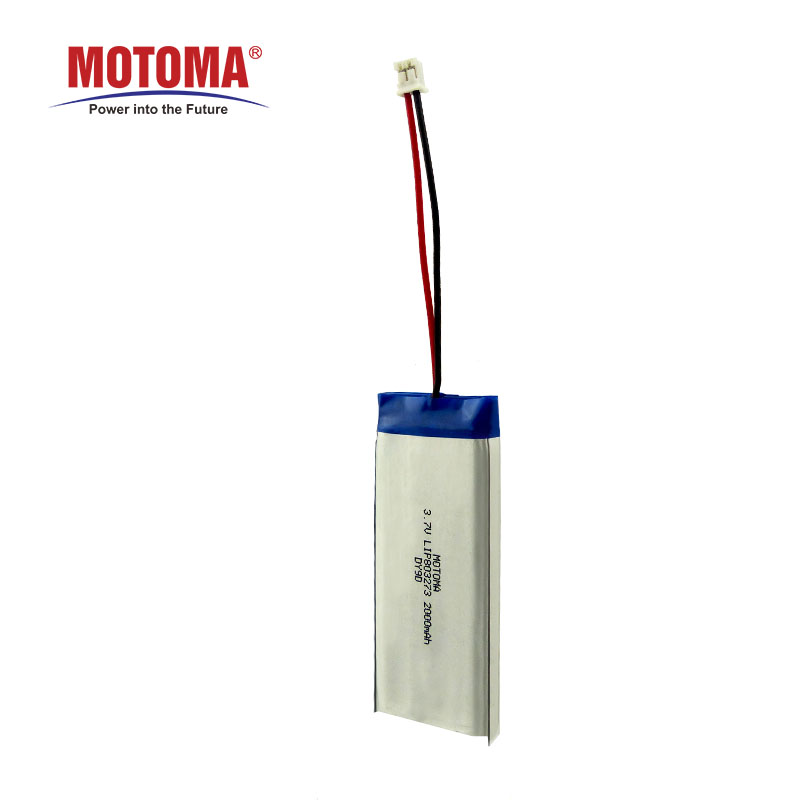
- Battery Chemistry and Capacity: High-drain devices require premium lithium-ion cells. Always specify the required mAh and demand UN38.3 and UL certifications for the battery packs to ensure safe transit and operation.
- Housing and Skin-Contact Materials: Appliances that touch the skin must utilize biocompatible materials. Specify food-grade or medical-grade silicone, and ensure ABS plastics are virgin (not recycled) to guarantee structural integrity and safe chemical profiles.
| Build Tier | Motor Type | Battery Standard | Housing Material |
|---|---|---|---|
| Entry-Level | Brushed DC | Standard Li-ion (Unbranded) | Standard ABS / TPE |
| Mid-Range | Upgraded Brushed DC | Certified Li-ion (UN38.3) | Virgin ABS / Standard Silicone |
| Premium / Clinical | Brushless DC (BLDC) | High-Drain Li-ion (UL/CE) | Medical-Grade Silicone / PC |
Need help verifying factory component quality? Speak to our sourcing engineers.
Discuss your product specsManufacturing Tolerances and Quality Control
Personal care appliances are frequently used in humid environments like bathrooms, making water resistance a primary manufacturing challenge. A factory's ability to achieve consistent IPX ratings (from IPX4 splash resistance to IPX7 full submersion) depends heavily on their injection molding precision and ultrasonic welding techniques.
If the housing seals are off by fractions of a millimeter, water ingress will short the PCB, leading to high return rates. Executing a strict Quality Control & Inspection protocol during assembly is critical.
Critical In-Line & Pre-Shipment Checks
- Water ingress testing in pressurized vacuum chambers (for IPX5 to IPX7 claims).
- Battery aging and charge-cycle testing to identify dead cells before assembly.
- Motor RPM consistency testing under simulated physical load.
- Drop testing from 1 meter to verify ultrasonic weld and housing integrity.
- Hi-Pot (High Potential) testing for devices with heating elements to prevent electrical leakage.
Compliance and Market Readiness
Navigating global market entry requires rigorous Compliance & Testing. Because these devices interact closely with the human body, regulatory bodies treat them with heightened scrutiny.
Depending on your target market, you will need to verify CE and RoHS (Europe), FCC (USA), and potentially FDA registration if the device makes any structural or medical claims regarding the skin. Never assume a factory's off-the-shelf product holds valid, transferable certifications under your brand name; testing must often be conducted on your specific production run.
MOQs, Lead Times, and OEM Customization
Most buyers in this category transition quickly from buying off-the-shelf designs to utilizing OEM/ODM Services to differentiate their brand. Customization ranges from simple color injections and private-label packaging to entirely new PCB layouts and custom molds.
Pricing is highly elastic based on your component choices. Upgrading a device from IPX4 to IPX7, or swapping a standard motor for a BLDC variant, can increase the FOB price by 20 to 40 percent. Always benchmark costs against a fixed Bill of Materials (BOM) rather than accepting generic unit prices.
Looking to develop a custom personal care appliance? Let us handle the factory negotiations and prototyping.
Talk to our teamFrequently Asked Questions
Procuring reliable personal care appliances at scale requires looking past the outer casing to scrutinize the internal engineering and manufacturing tolerances. By enforcing strict component standards and validating factory compliance early, you protect your brand from costly defects and safety liabilities.
Get Sourcing Help for Other Personal Care Appliances
Tell us your requirements and our experts will connect you with verified manufacturers.