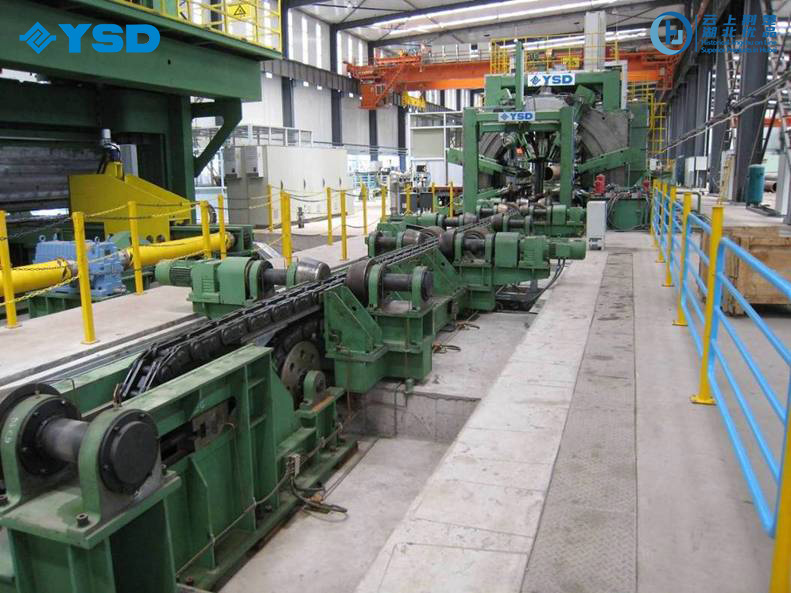
Other Non-Traditional Machine Tools
Source specialized Other Non-Traditional Machine Tools directly from vetted suppliers and manufacturers across Asia. This category is tailored for industrial importers, machinery distributors, and brands seeking reliable wholesale purchasing or custom OEM production of advanced, high-precision machining equipment.
Sourcing specialized non-traditional machine tools—encompassing advanced processes like abrasive flow, electron beam, plasma arc, or hybrid electro-chemical systems—requires navigating a highly fragmented supplier base. Because these machines rely on electrical, chemical, or thermal energy rather than mechanical cutting forces, the primary sourcing challenge lies in verifying a manufacturer's expertise in power electronics, energy beam control, and CNC integration. For industrial buyers, mitigating risk means looking past surface-level specifications to audit the factory's core engineering capabilities and component supply chain.
Critical Specifications to Define
When negotiating with manufacturers of non-traditional machining equipment, precision and stability are paramount. Off-the-shelf specifications rarely tell the whole story. You must explicitly define the performance parameters that dictate the machine's operational envelope.
Key Technical Parameters to Specify
- Power Supply & Generator Stability: Specify acceptable voltage fluctuation tolerances and peak output stability. Unstable power delivery directly degrades surface finish and dimensional accuracy.
- Axis Positioning & Repeatability: Define required linear and rotary axis resolution (e.g., positioning accuracy within 0.005mm, repeatability within 0.003mm).
- CNC Control Architecture: Specify the required controller brand (e.g., Siemens, Fanuc, Mitsubishi) or demand full documentation and open architecture for proprietary DSP/FPGA controllers.
- Thermal & Filtration Systems: Detail the cooling capacity required for continuous operation and the micron-rating for dielectric or chemical filtration systems.
- Safety & Compliance Standards: Mandate specific certifications (CE, UL, CSA) for electrical enclosures, interlocks, and emission controls.
Navigating complex machinery specifications requires deep technical vetting. Let us help you align your performance requirements with the right specialized manufacturer.
Talk to our teamEvaluating Factory Capabilities
The Asian market for advanced machine tools includes both genuine R&D-driven manufacturers and basic assemblers. Assessing a supplier's true capability requires analyzing their internal quality management and assembly environment. Genuine manufacturers will have dedicated testing facilities for power generators and laser/beam alignment.
Beware of Component Substitution
A common issue with lower-tier suppliers is the unannounced substitution of critical components (e.g., swapping premium servo motors or linear guideways for domestic equivalents). Always stipulate exact component brands in your Bill of Materials (BOM) and purchase contract.
Before committing to a high-value machinery order, executing rigorous Factory Audits is essential. You need to verify their ISO 9001 compliance, inspect their incoming material quality control (IQC) processes, and evaluate their calibration equipment (such as laser interferometers and ballbar testing systems). If you are developing proprietary hybrid machining technology, partnering with a factory that offers robust OEM/ODM Services and robust IP protection protocols is critical.
Quality Control and Factory Acceptance Testing (FAT)
Quality control for non-traditional machine tools cannot be limited to visual inspections. Standard pre-shipment inspections must be replaced or augmented by comprehensive Factory Acceptance Testing (FAT).
During FAT, the machine must run a standardized test part that matches your specific material and tolerance requirements. Implementing professional Quality Control & Inspection ensures that power consumption, thermal stability, and axis interpolation are monitored under load over an extended cycle time (typically 24 to 72 hours). Any deviations in beam focus, electrolyte flow, or abrasive pressure must be corrected before the machine is crated.
Pricing, MOQs, and Lead Times
Because these are capital-intensive industrial assets, the sourcing dynamics differ significantly from standard consumer goods.
Pricing is heavily influenced by the origin of the core components. A machine utilizing imported Japanese or German guideways, servos, and controllers will command a 30 percent to 60 percent premium over a machine built entirely with domestic Chinese components.
Ensure your capital equipment investment is protected. Our team manages supplier negotiation, FAT oversight, and secure logistics for heavy machinery.
Get a free consultationFrequently Asked Questions
Successfully sourcing other non-traditional machine tools hinges on rigorous technical vetting and uncompromising quality validation at the factory level. By defining exact component standards and enforcing strict performance testing prior to shipment, importers can secure highly capable advanced manufacturing equipment while avoiding costly operational failures.
Get Sourcing Help for Other Non-Traditional Machine Tools
Tell us your requirements and our experts will connect you with verified manufacturers.