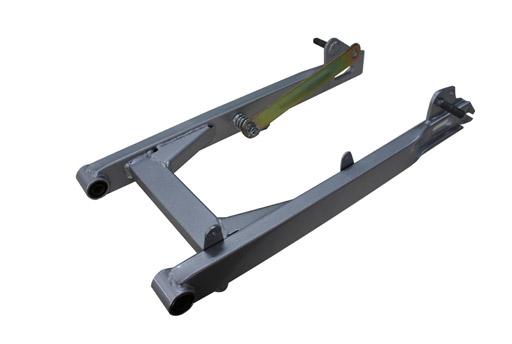
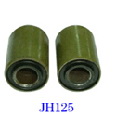
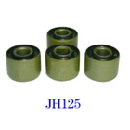
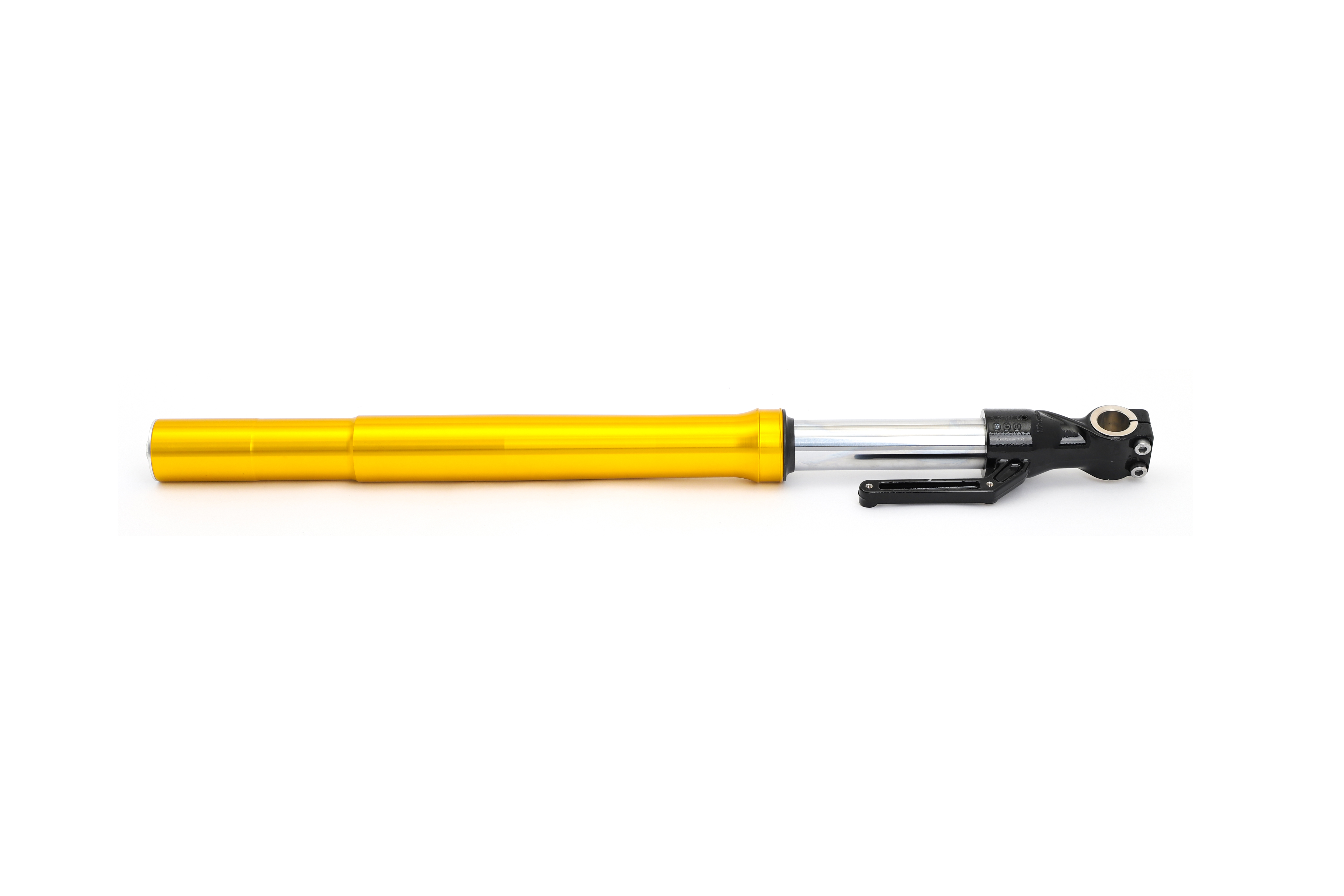
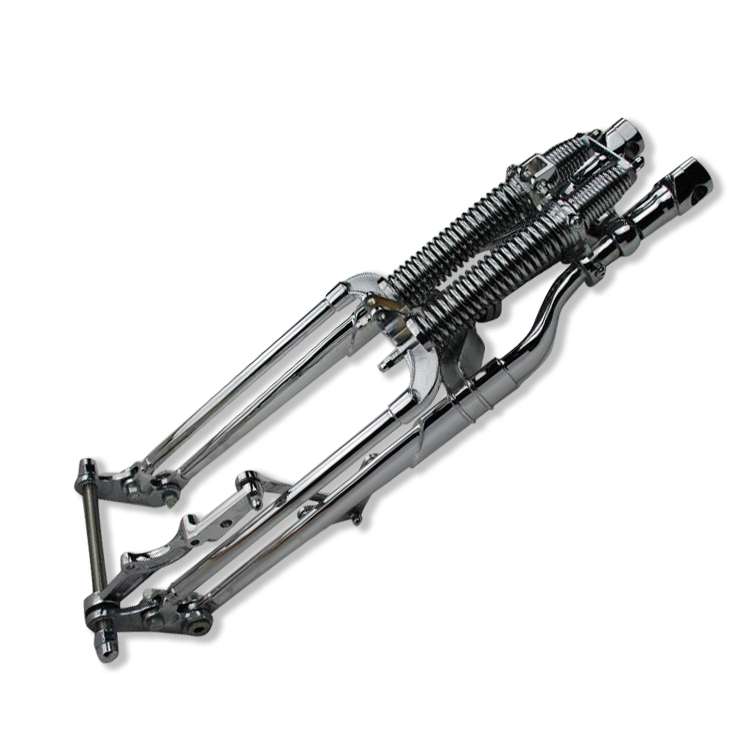
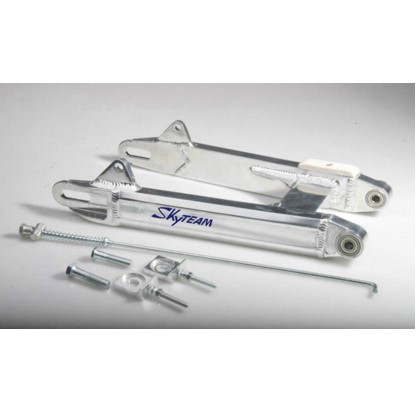
Other Motorcycle Suspension Parts
Source bulk and custom Other Motorcycle Suspension Parts directly from vetted manufacturers and suppliers. Designed for importers, distributors, and brands seeking OEM/private-label production, our network delivers precision-machined linkages, bushings, and adjusters to scale your supply chain reliably.
Sourcing secondary and ancillary suspension components—such as linkage arms, dog bones, preload adjusters, bump stops, and pivot bushings—requires navigating a highly fragmented manufacturing base. Because these parts often dictate the geometry, articulation, and longevity of the entire suspension system, dimensional accuracy and material integrity are non-negotiable.
For high-volume buyers, the primary challenge is not just finding a factory that can machine metal, but finding one that understands the strict tolerances required for high-stress motorcycle applications and can reliably integrate sub-components like needle bearings and dust seals.
Material Specifications and Machining Tolerances
The performance of linkage components and adjusters relies heavily on the alloy grade and the precision of the manufacturing process. Suspension parts are subjected to immense shear forces and continuous vibration, meaning material substitution by a supplier can lead to catastrophic failure.
When specifying parts, buyers must clearly define the material grades and required surface treatments. For aluminum components, 6061-T6 is standard for general use, but 7075-T6 is often required for high-stress linkages due to its superior tensile strength.
| Material Grade | Yield Strength (Approx) | Common Suspension Application |
|---|---|---|
| 6061-T6 Aluminum | 276 MPa | Preload adjusters, standard dog bones |
| 7075-T6 Aluminum | 503 MPa | Performance linkage arms, pivot mounts |
| High-Carbon Steel (e.g., 45#) | 310 MPa | Heavy-duty pivot bolts, structural pins |
| Polyurethane (90A-95A) | N/A (Elastomer) | Heavy-duty bushings, bump stops |
Surface treatment is equally critical. For aluminum suspension parts, Type III Hard Anodizing is standard to prevent galling and corrosion, whereas decorative Type II anodizing will quickly degrade under track or off-road conditions.
Consolidating multiple suspension component suppliers? Let us streamline your procurement and enforce strict quality standards across your entire bill of materials.
Talk to our teamFactory Capabilities: The Assembly Challenge
A major sourcing hurdle in this category is the split between metalworking and polymer molding. Factories excelling at 5-axis CNC machining for aluminum linkages rarely produce their own polyurethane bushings or rubber dust seals in-house.
If you are developing complete suspension kits, you are often dealing with an assembler rather than a single-source manufacturer. Verifying sub-tier suppliers is critical. This is where comprehensive Factory Audits become essential to ensure the primary assembler is not cutting corners by using unrated bearings or low-grade seals from an unvetted secondary workshop.
Critical Quality Control Checkpoints
When implementing Quality Control & Inspection for mixed suspension parts, focus your pre-shipment inspections on the following areas:
Inspection Focus Areas
- Bearing bore tolerances: Verify H7/p6 press-fit tolerances (typically within 0.01mm to 0.02mm).
- Thread pitch accuracy: Check preload adjuster threads with standardized Go/No-Go gauges.
- Anodizing thickness: Measure Type III hard coat thickness (target 25 to 50 microns).
- Durometer consistency: Test polyurethane bushings for shore hardness variations across batches.
- Bushing concentricity: Ensure pivot bushings are perfectly concentric to prevent suspension binding.
MOQs, Lead Times, and Pricing Drivers
Production minimums and costs vary wildly depending on whether the part is heavily machined, forged, or molded. For brands utilizing OEM/ODM Services to develop proprietary suspension geometries, tooling costs will also factor into the initial capital outlay.
Pricing for CNC parts is driven primarily by machine time and raw material weight. Complex 3D-profiled linkages requiring 5-axis machining will cost significantly more than simple 2D profiles cut on a 3-axis mill, even if the material volume is identical. For molded parts like bump stops, the unit cost is negligible, but tooling for custom molds typically ranges from $500 to $1,500 depending on cavity count and complexity.
Need to negotiate better terms or lower tooling costs for custom suspension components? Our on-the-ground team can help structure your next PO.
Get a free consultationFrequently Asked Questions
Sourcing secondary suspension components is rarely as simple as buying off the shelf; it requires aligning precise machining with reliable polymer sub-components. Whether you are scaling an aftermarket brand or optimizing an existing OEM supply chain, having an experienced partner on the ground ensures your exact specifications are met without costly delays or quality fade.
Get Sourcing Help for Other Motorcycle Suspension Parts
Tell us your requirements and our experts will connect you with verified manufacturers.