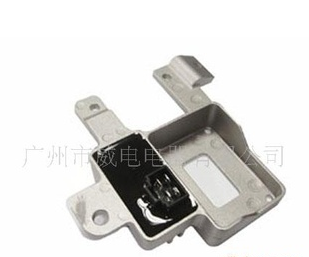
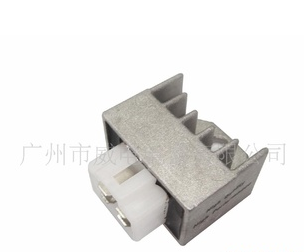
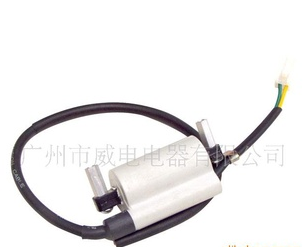
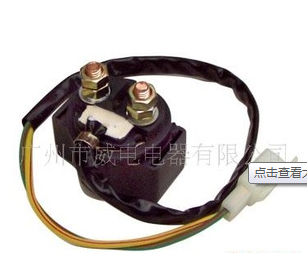
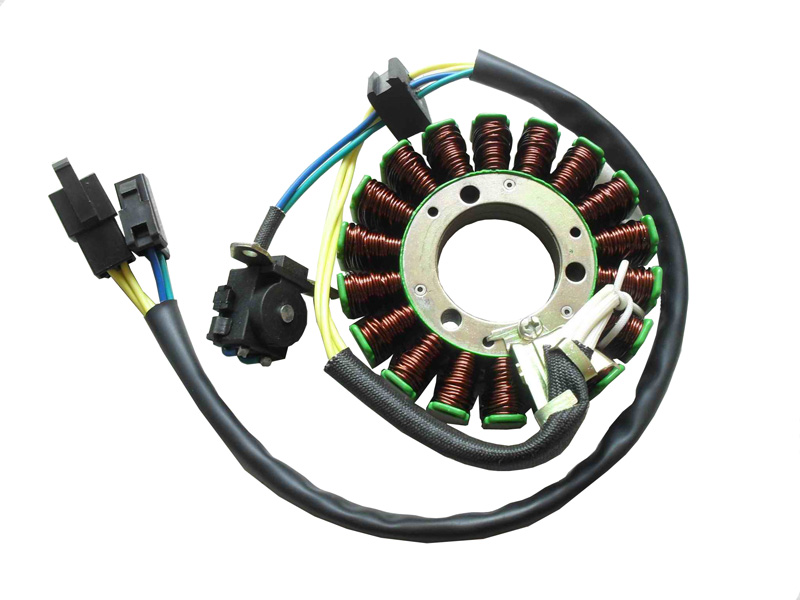
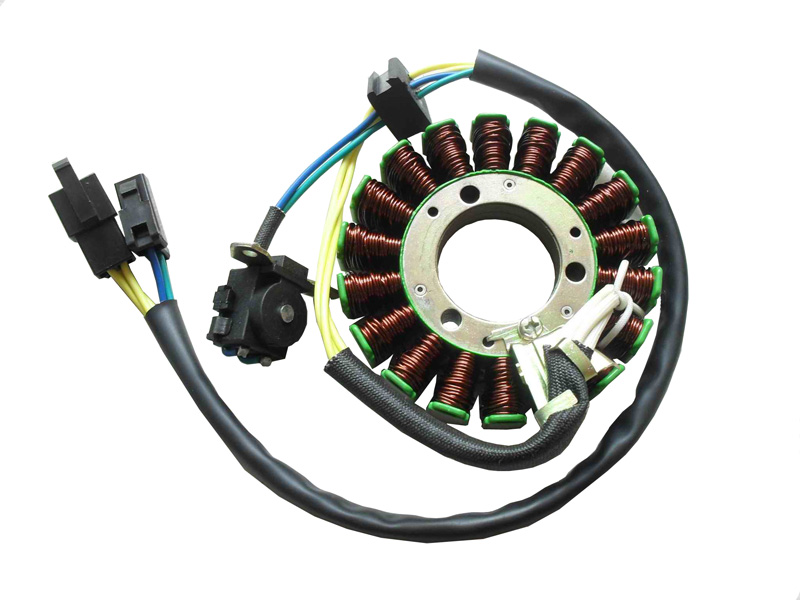
Other Motorcycle Electrical Systems
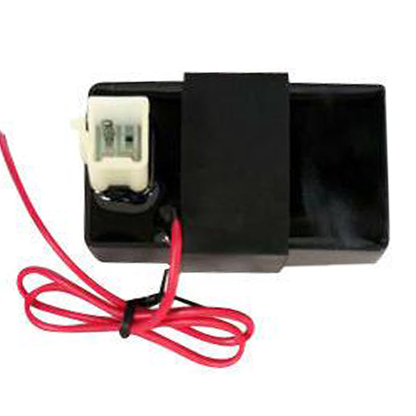
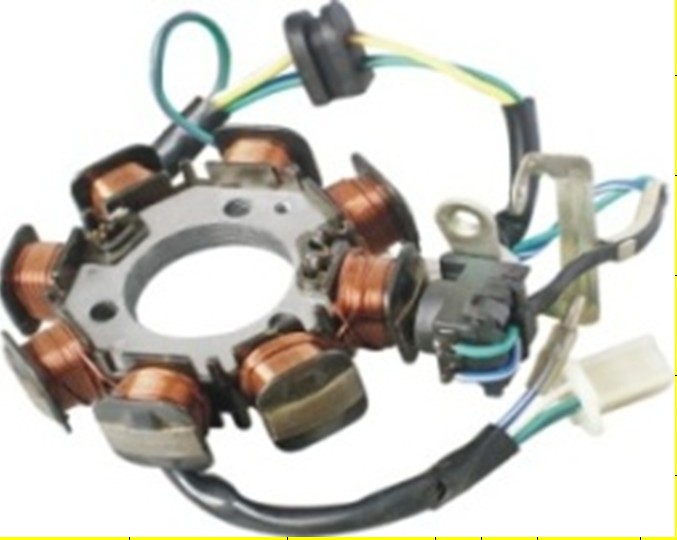
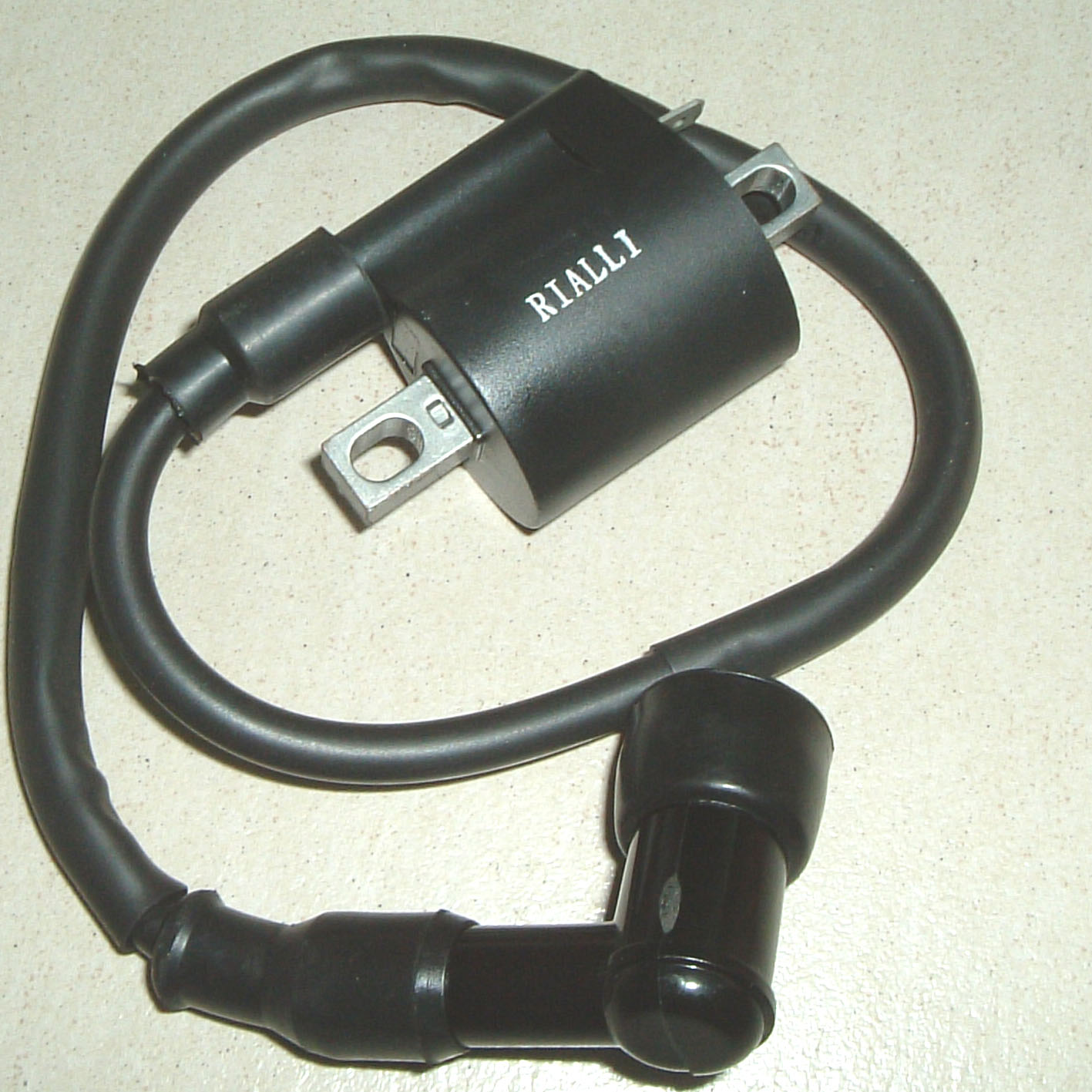
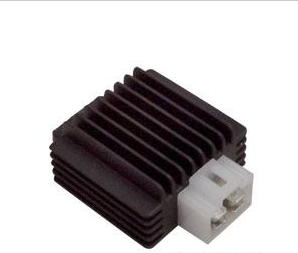
Source reliable Other Motorcycle Electrical Systems in bulk from vetted manufacturers. Designed for importers, distributors, and brands seeking OEM or private-label production, our network covers specialty relays, sensors, and auxiliary power units built to precise technical standards.
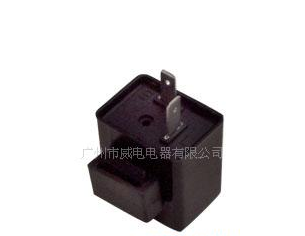
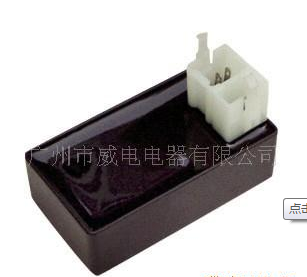
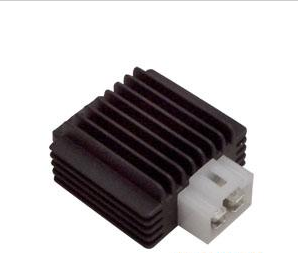
Sourcing miscellaneous motorcycle electrical components—ranging from specialty relays and flasher units to side-stand sensors, diagnostic connectors, and auxiliary power ports—requires navigating a highly fragmented manufacturing base. Because these components often serve as critical safety cut-offs or sensitive diagnostic links, failure rates must be kept near zero. The primary sourcing challenge is identifying suppliers capable of maintaining strict, automotive-grade quality control across a diverse catalog of low-profile, high-mix SKUs.
Critical Specifications for Auxiliary Electrical Components
When importing secondary electrical systems, the specifications you dictate directly impact the component's lifespan under harsh vibration and weather conditions. Relying on a factory's "standard export quality" often results in the use of copper-clad aluminum (CCA) wiring or inadequate sealing.
Key specifications to define in your purchase orders include:
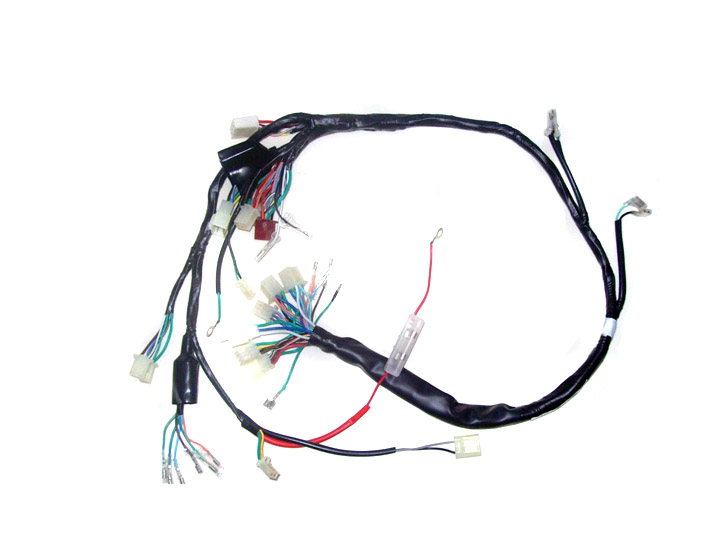
- Conductor Material: Insist on pure copper (OFC) or tinned copper for all wiring and terminals. CCA wire is prone to fatigue failure under motorcycle vibration frequencies.
- Ingress Protection: Any exposed component (USB ports, external relays, sensors) must be rated IP67 or higher.
- Encapsulation (Potting): Solid-state components like flasher relays or custom CDI variants must be potted to survive vibration and moisture.
| Property | Epoxy Potting | Polyurethane (PU) Potting |
|---|---|---|
| Vibration Dampening | Moderate (Rigid) | Excellent (Flexible) |
| Moisture Resistance | Excellent | Very Good |
| Thermal Cycling | Prone to micro-cracking | Highly stable |
| Typical Application | Static relays, low-vibration areas | Engine-mounted sensors, heavy vibration |
Struggling to find a supplier that meets strict ingress and vibration standards? Let us connect you with vetted electrical manufacturers.
Talk to our teamManufacturing Tolerances and Quality Control
The bulk of electrical component failures originate on the assembly line, typically during soldering, crimping, or final sealing. Because these are often high-volume, low-margin items for the factory, automated testing is frequently bypassed unless explicitly required by the buyer.
Implementing rigorous quality control protocols is non-negotiable. Ensure your inspection criteria cover the following vulnerabilities:
Factory-Floor Inspection Priorities
- Terminal Crimping Pull-Force: Verify pull-force meets standard ISO requirements for the specific wire gauge.
- Solder Joint Integrity: Check for cold solder joints on internal PCBs before potting is applied.
- Thermal Shock Testing: Ensure batches undergo rapid temperature cycling (e.g., -40°C to 85°C) to check for housing cracks.
- Dielectric Withstand Voltage: Test insulation strength to prevent short circuits under load.
When vetting a new supplier, it is highly recommended to conduct thorough factory audits to verify their in-house testing equipment. A factory without environmental test chambers or automated crimping machines is likely outsourcing critical production steps, increasing your defect risk.
Navigating the Supplier Landscape
China’s motorcycle parts manufacturing is heavily regionalized. For electrical systems, Wenzhou (Zhejiang province) and Chongqing are the primary hubs. Wenzhou tends to dominate in high-volume, cost-effective switches, relays, and auxiliary ports. Chongqing, being a traditional motorcycle manufacturing powerhouse, often houses suppliers geared toward OEM-level integration and heavier-duty sensors.
If you are developing custom diagnostic tools, proprietary sensors, or specialized power distribution modules, you will need a partner capable of comprehensive OEM/ODM services. This involves distinct tooling for housings and custom PCB design, requiring a factory with strong in-house engineering, not just assembly capabilities.
MOQs, Lead Times, and Pricing Dynamics
Pricing in this category is highly dependent on copper commodity prices, the quality of internal ICs (for smart relays/sensors), and the grade of the housing plastics (e.g., glass-filled nylon versus standard ABS).
Custom tooling for specialized connector housings is relatively inexpensive compared to larger plastic parts, typically ranging from a few hundred to a couple of thousand dollars, depending on cavitation and complexity.
Need to consolidate multiple electrical SKUs from different factories? We manage complex supply chains and consolidate shipments to optimize your landed costs.
Get a free consultationFrequently Asked Questions
Sourcing miscellaneous electrical systems requires extreme attention to detail; a single faulty relay or poorly sealed sensor can compromise an entire vehicle. By defining strict material specifications, mandating specific potting compounds, and enforcing rigorous in-line inspections, you can secure reliable components at competitive bulk pricing. If you need expert oversight on the factory floor, our team is ready to assist.
Get Sourcing Help for Other Motorcycle Electrical Systems
Tell us your requirements and our experts will connect you with verified manufacturers.