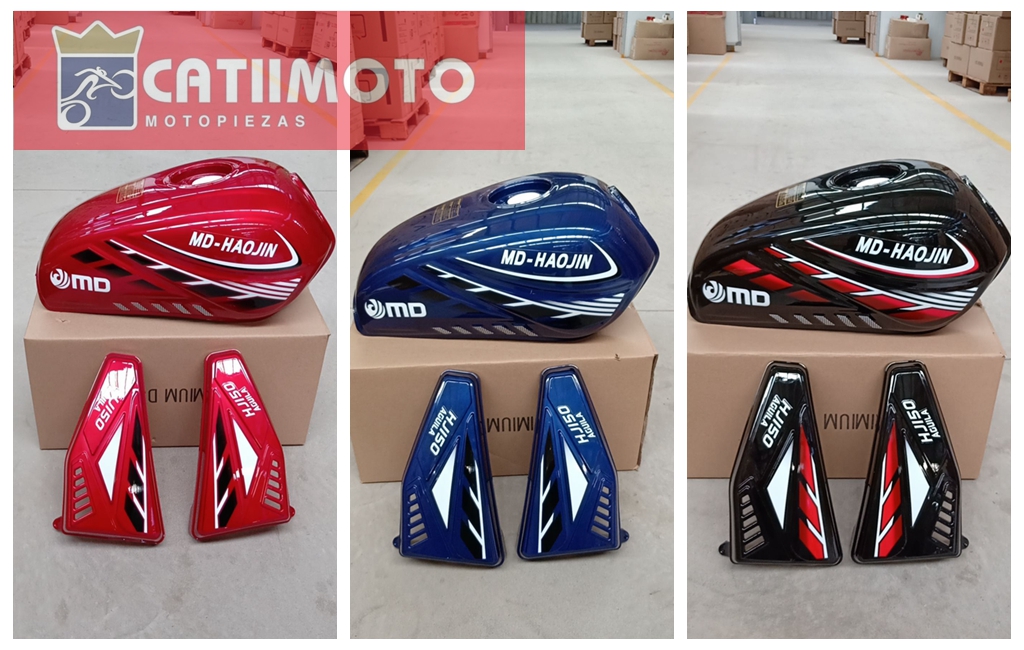
Other Motorcycle Body Systems
Source wholesale Other Motorcycle Body Systems directly from vetted manufacturers and suppliers in Asia. Built for importers, distributors, and brands requiring reliable bulk production, OEM/ODM capabilities, and stringent quality control across specialized body and frame components.
Sourcing specialized motorcycle body and frame systems outside the primary fairings and structural core requires navigating a fragmented supplier base. Because these components often serve specific functional or aesthetic roles—ranging from specialized brackets and sub-frame assemblies to custom mounting hardware—manufacturing capabilities vary wildly. The challenge is identifying factories with the right tooling, material expertise, and precision engineering to produce components that fit seamlessly and withstand high-vibration environments, rather than relying on generalist parts assemblers.
Material Specifications and Manufacturing Processes
The durability and fitment of specialized body systems depend heavily on material selection and the precision of the manufacturing process. Specifying the correct grade and process is critical before approaching a supplier.
Common Materials and Applications
- Aluminum Alloys (6061-T6, 7075): Utilized for lightweight structural components, brackets, and custom sub-frames. Requires CNC machining or high-pressure die casting.
- Carbon Fiber Reinforced Polymers (CFRP): Used for premium aesthetic and lightweight functional parts. The manufacturing method (pre-preg autoclave vs. wet lay-up) drastically affects the final strength-to-weight ratio and cost.
- ABS and Polycarbonate Plastics: Common for non-structural covers, guards, and aerodynamic elements. Injection molding is standard, requiring significant upfront investment in steel tooling.
- Steel (High-Tensile or Stainless): Reserved for high-stress mounting points or heavy-duty applications where weight is secondary to sheer strength.
Need help verifying if a factory's tooling matches your material requirements? Our engineering team can assess supplier capabilities before you commit to tooling costs.
Discuss your specificationsManufacturing Tolerances and Fitment
Motorcycle body systems must integrate with complex, existing frame geometry. A deviation of even a few millimeters can render a batch unusable.
| Process | Typical Tolerance | Best For | Tooling Cost |
|---|---|---|---|
| CNC Machining | ±0.05mm | Low volume, high precision structural parts | Low |
| Injection Molding | ±0.1mm to ±0.2mm | High volume plastic components | High |
| Die Casting | ±0.1mm | High volume complex metal parts | High |
| Stamping | ±0.2mm to ±0.5mm | Simple brackets and metal covers | Medium |
When engaging in OEM/ODM Services for custom components, ensure the supplier utilizes 3D scanning and CAD modeling to verify fitment against the target motorcycle chassis before cutting tooling.
Quality Control and Defect Prevention
Catching defects at the factory level is essential; once specialized body parts ship, rework is rarely viable. A robust Quality Control & Inspection protocol must focus on both structural integrity and cosmetic finish.
Critical Inspection Points for Body Systems
- Dimensional accuracy verification against CAD drawings using CMM (Coordinate Measuring Machine).
- Surface finish consistency (anodizing thickness, paint adhesion, clear coat uniformity on carbon fiber).
- Weld penetration and consistency on fabricated sub-frames or brackets.
- Material hardness testing (especially for load-bearing aluminum or steel parts).
- Thread pitch and depth verification on all mounting points.
Cosmetic defects, such as sink marks in injection-molded plastics or pinholes in carbon fiber resin, are common if the manufacturing parameters (temperature, pressure, curing time) are poorly controlled.
Pricing, MOQs, and Lead Times
The market for specialized motorcycle body parts is highly dependent on the manufacturing process and the level of customization required.
- Tooling Costs: For injection molding or die casting, tooling is the primary upfront expense. Ensure the tooling ownership and maintenance terms are clearly defined in the manufacturing agreement.
- Unit Pricing Drivers: Material grade, complexity of machining, and finishing requirements (e.g., hard anodizing vs. powder coating) are the main variables.
Struggling to negotiate realistic MOQs for custom motorcycle components? Speak with our sourcing experts to find the right factory fit for your volume.
Get a sourcing assessmentSupplier Vetting in the Motorcycle Parts Hubs
Most capable manufacturers of motorcycle body systems are clustered in specific regions of China, such as Zhejiang and Guangdong provinces. However, distinguishing between a factory with genuine engineering capabilities and a trading company outsourcing production requires diligence.
Conducting thorough Factory Audits is crucial. You must verify the factory's in-house capabilities (CNC machines, injection presses, finishing lines) versus what they subcontract. Subcontracted finishing (like anodizing or painting) is common but introduces significant quality risks if not managed properly by the primary supplier.
Navigating the supplier landscape for specialized motorcycle body systems requires balancing tooling investments with precision engineering requirements. By focusing on material specifications, enforcing strict dimensional tolerances, and verifying factory capabilities firsthand, buyers can secure reliable production for complex, high-demand components.
Get Sourcing Help for Other Motorcycle Body Systems
Tell us your requirements and our experts will connect you with verified manufacturers.