Other Metal & Metallurgy Machinery
Source specialized and other metal & metallurgy machinery from vetted suppliers and manufacturers in China and Asia. Designed for industrial importers, wholesale distributors, and brands requiring custom OEM production, our network delivers reliable, high-performance equipment built to exacting specifications.
Sourcing specialized or non-standard metallurgical equipment requires navigating a highly fragmented supplier base. When machinery falls outside primary categories—encompassing niche finishing tools, custom material handling units, or specialized thermal treatment systems—validating supplier capability and engineering competence becomes your primary hurdle. Because these machines often serve as critical bottlenecks in a larger production line, ensuring robust build quality and exact specification matching is essential.
Defining Specifications for Non-Standard Equipment
When procuring ancillary or specialized metalworking machinery, off-the-shelf specifications rarely align perfectly with heavy industrial requirements. Buyers must dictate the component-level details to ensure longevity and operational safety.
Critical Specification Checkpoints
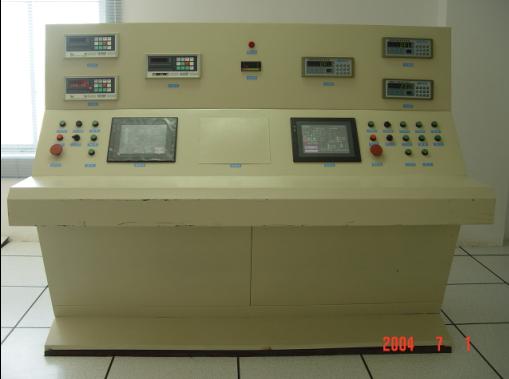
- Control Systems: Specify internationally recognized PLC and HMI brands (e.g., Siemens, Mitsubishi, Allen-Bradley) to ensure local support and parts availability.
- Electrical Standards: Mandate compliance with your destination market (e.g., UL/CSA for North America, CE machinery directive for Europe) and specify voltage/phase requirements.
- Wear Parts Metallurgy: Define the exact steel grades or carbide compositions for blades, dies, or contact surfaces to prevent premature degradation.
- Motor and Drive Ratings: Specify continuous duty cycles rather than peak output, and require reputable motor brands (e.g., WEG, ABB).
If your procurement strategy involves modifying existing designs to fit a proprietary manufacturing process, engaging in structured OEM/ODM Services ensures the factory's engineering team correctly translates your requirements into the final build.
Need help vetting manufacturers for specialized metallurgical equipment?
Talk to our teamSupplier Vetting: Separating Factories from Trading Companies
The market for "other" or niche industrial machinery is heavily populated by trading companies posing as manufacturers. Because demand for highly specialized equipment can be sporadic, true manufacturers often focus on a narrow range of technologies, while trading companies aggregate diverse catalogs.
The Risk of Aggregators
Purchasing complex machinery through an undisclosed trading company complicates after-sales support, warranty claims, and spare parts procurement. You must verify the factory's actual production lines.
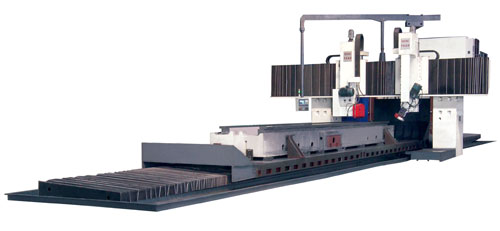
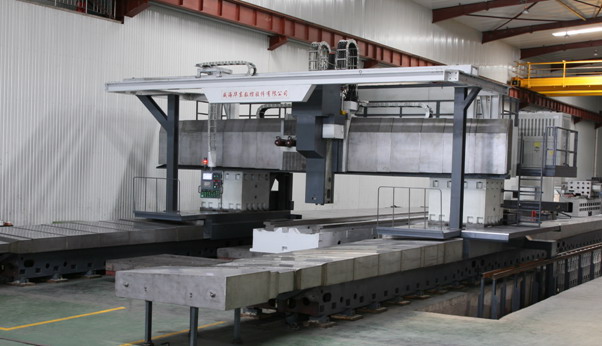
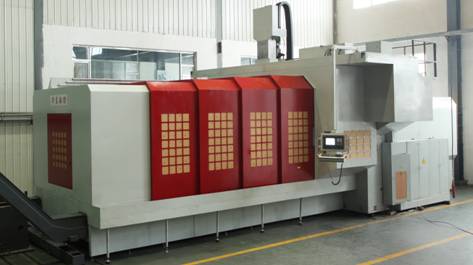
To mitigate this, rigorous Factory Audits are mandatory. An auditor should verify the presence of heavy machining equipment (like large-scale CNC boring or milling machines) on the factory floor, confirming the supplier machines their own frames and critical components rather than merely assembling outsourced parts.
Production and Quality Control Bottlenecks
Even with a verified manufacturer, quality fade can occur during the assembly phase. Sub-tier suppliers providing hydraulics, pneumatics, or electrical components may be swapped for lower-cost alternatives if strict oversight is not maintained.
Component Verification
Inspect all major sub-assemblies (motors, pumps, PLCs) upon arrival at the factory before assembly begins.
In-Process Inspection
Verify frame welding quality, stress relief treatments, and dimensional accuracy before painting and final assembly.
Factory Acceptance Testing (FAT)
Run the machine under simulated load conditions at the factory using your specific raw materials.
Implementing professional Quality Control & Inspection prior to shipment is the only way to ensure the machine will function correctly upon arrival. Discovering a hydraulic leak or a software fault after the equipment has crossed the ocean results in catastrophic delays.
Typical Pricing, MOQs, and Lead Times
Because this category covers a broad spectrum of equipment, pricing is highly variable. However, the commercial terms for importing specialized industrial machinery follow predictable patterns.
Custom tooling or extensive software modifications will push lead times toward the 90-day mark. Ensure your contracts clearly define penalties for delayed production and outline the exact testing parameters required before the final balance is released.
Ensure your capital equipment orders are negotiated, inspected, and protected.
Get a free consultationBuyer FAQ
Successfully sourcing specialized metallurgy machinery relies entirely on front-loading the engineering and verification work. By clearly defining component-level specifications and mandating rigorous Factory Acceptance Testing, you eliminate the risks associated with importing complex industrial assets.
Get Sourcing Help for Other Metal & Metallurgy Machinery
Tell us your requirements and our experts will connect you with verified manufacturers.