Other Machinery for Soil Preparation or Cultivation
Source Other Machinery for Soil Preparation or Cultivation from vetted suppliers and manufacturers. Designed for agricultural equipment importers, wholesale distributors, and brands seeking OEM production, our network delivers reliable, high-performance soil prep machinery tailored to your bulk sourcing requirements.
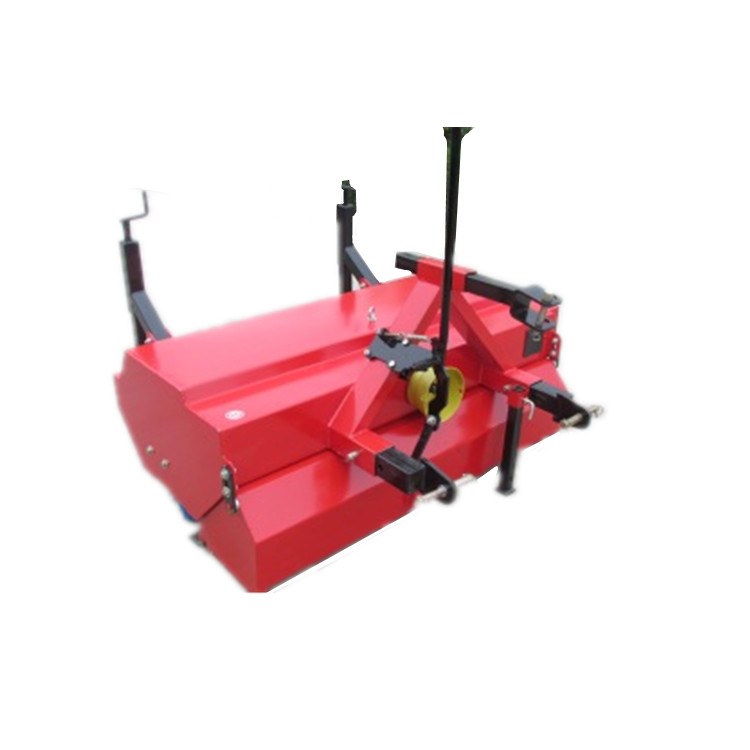
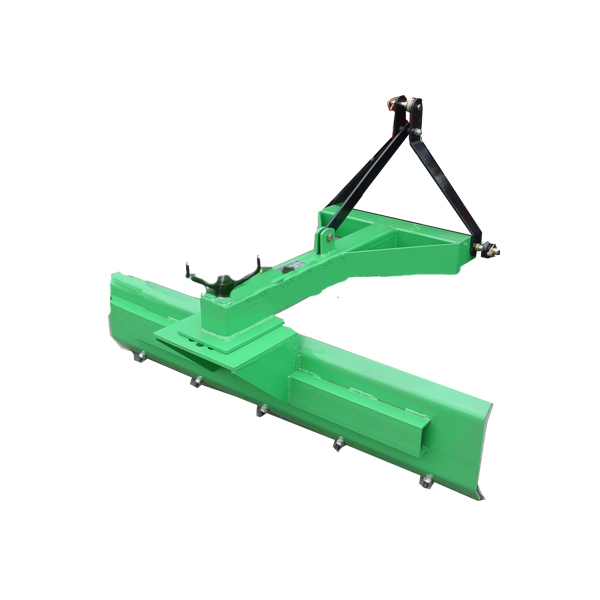
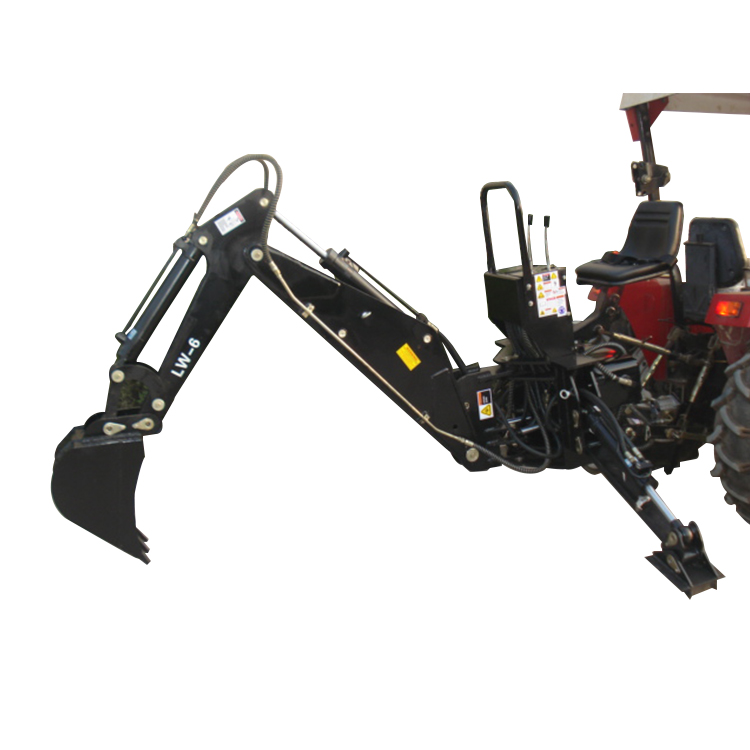
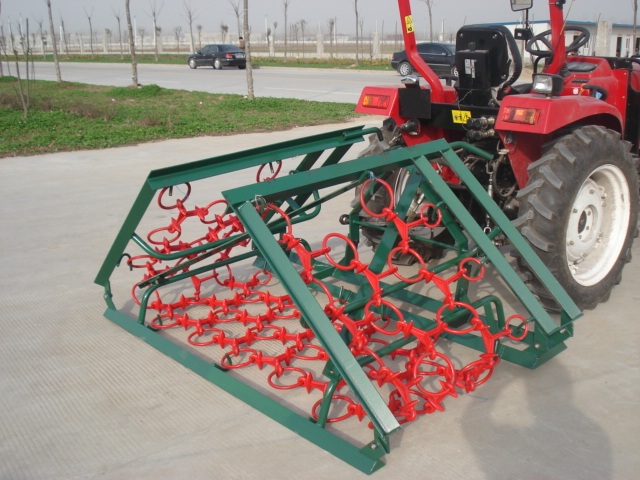
Sourcing specialized soil preparation and cultivation machinery—encompassing equipment like stone buriers, subsoilers, bed formers, and heavy-duty strip-till units—requires strict attention to metallurgy, driveline reliability, and tractor compatibility. Unlike standard plows or basic rotavators, these specialized implements often operate in extreme soil conditions or require precise PTO-driven dynamic balancing. For bulk buyers, the primary challenge is ensuring the factory's manufacturing tolerances and material specifications match the demanding agricultural environments of your target market.
Critical Specifications and Metallurgy
The lifespan of soil preparation machinery is dictated by the quality of its ground-engaging components and its driveline. When negotiating with manufacturers, you must define exact material specifications rather than accepting generic "high carbon steel" descriptions.
- Ground-Engaging Parts: Tines, blades, and ripper points must balance wear resistance with impact toughness. If the steel is too hard, it shatters on subsurface rocks; if it is too soft, abrasive soils will wear it down rapidly.
- Gearboxes and Drivelines: For active implements, the gearbox is the most expensive failure point. Specify the gear ratio, input RPM (typically 540 or 1000 RPM), and ensure the housing is high-grade nodular cast iron.
- Linkage and Frame: Ensure the 3-point hitch category (Category I, II, or III) matches the target tractor horsepower range. The main frame should utilize heavy-wall structural steel tubing, not mild steel plate.
| Blade/Tine Material | Typical Hardness | Soil Application | Cost Impact |
|---|---|---|---|
| 65Mn Spring Steel | 40-45 HRC | Standard loam and clay | Baseline standard |
| Boron Steel | 48-52 HRC | Highly abrasive or rocky soils | Premium (+15-20%) |
| Tungsten Carbide Tipped | Over 80 HRC (Tip) | Extreme compaction/subsoiling | High premium |
Need to verify a factory's metallurgical standards? We help buyers audit manufacturing facilities and secure reliable production for heavy agricultural equipment.
Talk to our teamManufacturing Tolerances and Quality Control
Quality in heavy agricultural machinery is won or lost in the welding, heat treatment, and dynamic balancing stages. Many suppliers outsource their gearboxes and PTO shafts, meaning the final assembler's quality control is your only line of defense.
Implementing robust Quality Control & Inspection is non-negotiable before these heavy units are loaded into containers.
Factory Floor QC Priorities for Soil Prep Machinery
- Dynamic Balancing: All PTO-driven rotors must be dynamically balanced at operating speeds to prevent bearing destruction.
- Weld Penetration: Inspect critical stress points on the A-frame and main chassis for full-penetration welds, preferably robotic.
- Heat Treatment Verification: Test ground-engaging parts for consistent HRC hardness to ensure proper quenching and tempering.
- Gearbox Run-Out: Check input/output shafts for excessive play and verify the use of high-quality oil seals to prevent field leaks.
- Paint and Finish: Ensure shot blasting precedes powder coating for adequate adhesion and corrosion resistance in field conditions.
Thorough Factory Audits are highly recommended to verify that a supplier actually possesses in-house heat treatment facilities and dynamic balancing machines, rather than relying on inconsistent third-party workshops.
Customization and OEM Production
Agricultural conditions vary drastically by region. A subsoiler designed for European sandy loam will fail in Australian heavy clay. Importers frequently need to modify working widths, working depths, packer roller types, and safety mechanisms (shear bolts vs. auto-reset hydraulics).
Utilizing structured OEM/ODM Services allows you to adapt standard factory models into market-specific products. This might involve upgrading to heavier-duty PTO shafts with slip clutches, changing the packer roller configuration (cage, packer, or smooth roller), or applying your brand's specific colorway and safety decals.
Pricing, MOQs, and Lead Times
Because soil preparation machinery is bulky and heavy, procurement is heavily dictated by container optimization. Shipping partially disassembled units (SKD - Semi Knocked Down) is standard practice to maximize freight efficiency.
Pricing is primarily driven by global steel indices, the origin of the gearbox (domestic Chinese vs. imported European brands like Comer), and the quality of the PTO shaft. Always clarify if the quoted FOB price includes the PTO shaft, as some suppliers quote this separately to appear more competitive.
Struggling with inconsistent quality or rising freight costs? Let us help you optimize your agricultural machinery supply chain from factory floor to final delivery.
Get a free consultationFrequently Asked Questions
Successfully importing specialized soil preparation machinery requires looking past the glossy catalog photos to scrutinize the underlying metallurgy, driveline components, and factory quality control processes. By defining exact specifications and enforcing strict pre-shipment inspections, you can secure heavy-duty equipment that performs reliably season after season.
Get Sourcing Help for Other Machinery for Soil Preparation or Cultivation
Tell us your requirements and our experts will connect you with verified manufacturers.