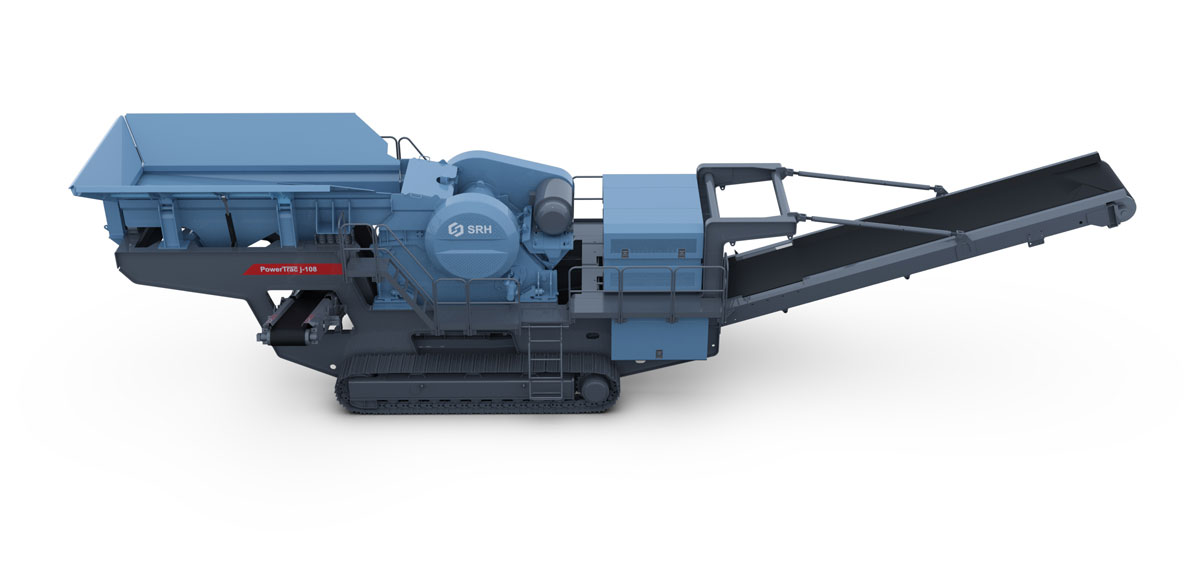
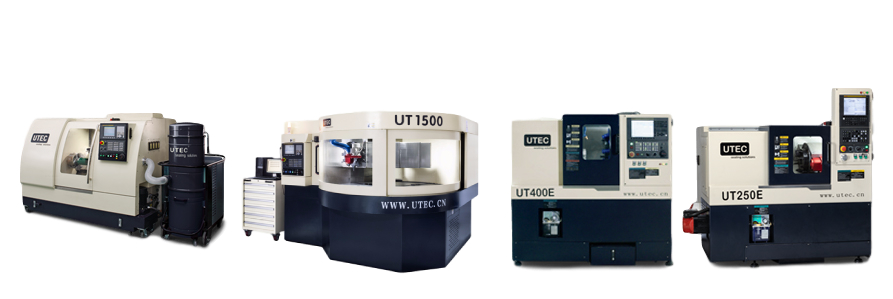
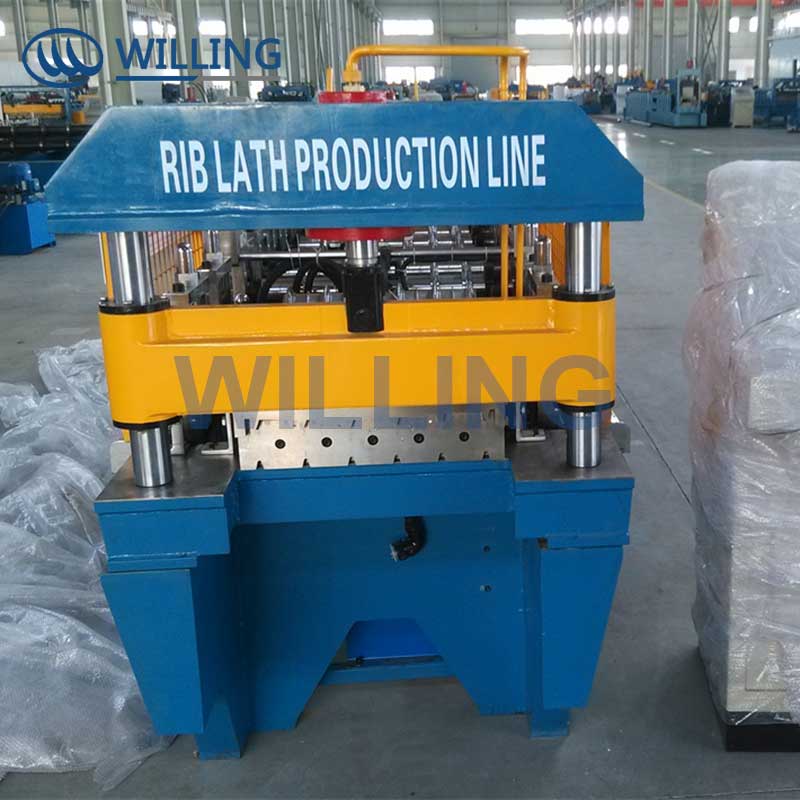
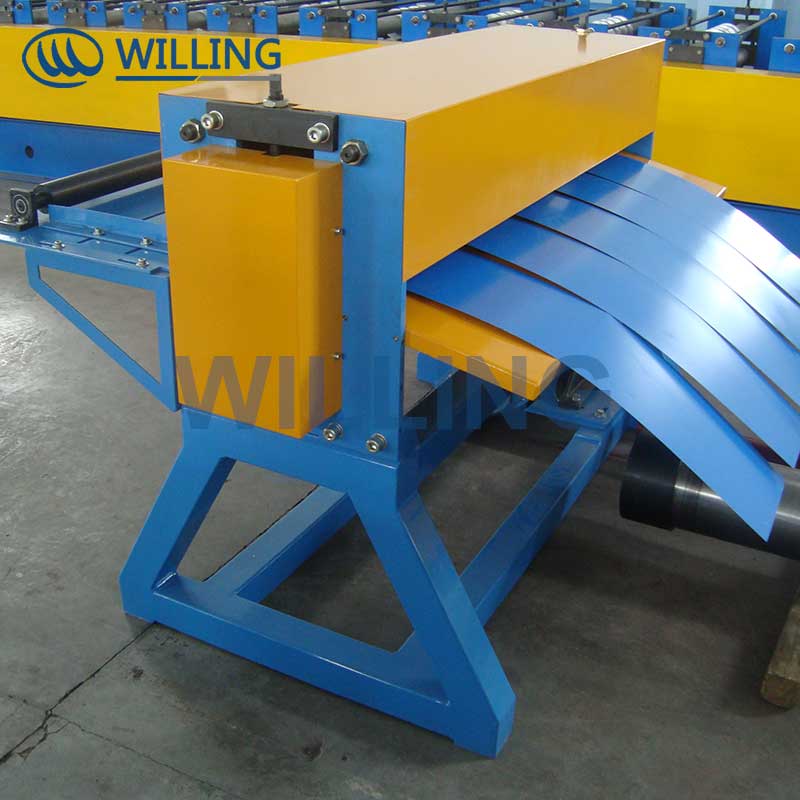
Other Machine-tools for Working Other Materials
Source industrial-grade machine tools for working other materials directly from vetted manufacturers and wholesale suppliers. Designed for importers, distributors, and procurement managers, this category covers specialized fabrication equipment for composites, ceramics, and advanced polymers. Secure competitive bulk pricing and reliable OEM production.
When sourcing specialized machine tools for processing advanced composites, technical ceramics, hard plastics, and mixed-material substrates, the primary challenge is matching the machine's architecture to the specific material's thermal and abrasive properties. Unlike standard metalworking or woodworking equipment, these machines require specialized dust extraction, specific spindle RPM ranges, and highly rigid frames to prevent resonance when cutting dense or brittle materials.
Navigating the supplier base for these niche machine tools requires distinguishing between genuine industrial equipment manufacturers and assemblers who simply retrofit standard CNC routers.
Critical Specifications for Non-Standard Material Machining
Specifying the right equipment requires a deep understanding of the cutting forces and environmental controls necessary for your target materials.
Key Technical Parameters to Define
- Spindle Power and RPM: High-speed spindles (up to 24,000 RPM) for hard plastics; high-torque, lower-RPM spindles for dense composites or ceramics.
- Coolant and Dust Extraction: Flood coolant systems for ceramics vs. high-velocity dry extraction for carbon fiber and fiberglass.
- Axis Travel and Clearance: Z-axis gantry clearance specific to the thickness of the raw material blocks or molds.
- Controller Compatibility: Ensure compatibility with standard G-code and preferred CAM software (e.g., Fanuc, Siemens, or Syntec controllers).
Frame Rigidity and Vibration Dampening
The structural integrity of the machine dictates its precision and tool life. Machining hard or abrasive materials induces significant vibration, which must be absorbed by the machine base.
| Construction Type | Vibration Dampening | Best Application |
|---|---|---|
| Cast Iron Base | Excellent | High-precision ceramic and composite milling |
| Heavy-Wall Welded Steel | Good | Large-format plastic and foam routing |
| Light Tubular Steel | Poor | Light-duty prototyping only |
Need help verifying the structural integrity of a supplier's machines? Let our engineers evaluate their factory floor capabilities.
Talk to our teamQuality Control and Factory Validation
The industrial machinery sector in China is heavily concentrated in provinces like Shandong (Jinan area), Jiangsu, and Guangdong. While these hubs offer immense manufacturing capacity, quality control standards vary drastically.
A rigorous factory audit is non-negotiable before placing an order. You must verify that the factory machines their own critical components (like gantry mounts and spindle housings) rather than outsourcing them entirely, as in-house machining is a strong indicator of final assembly precision.
Factory Acceptance Testing (FAT)
Never ship industrial machinery without conducting a comprehensive FAT. This should be a core part of your quality control and inspection protocol.
Geometric Accuracy Verification
Use dial indicators and laser interferometers to check axis squareness, spindle runout (must be under 0.01mm), and positioning repeatability.
Material Test Cuts
Provide the factory with samples of the actual material the machine will process to verify feed rates and edge finish.
Continuous Run Testing
Run the machine through a dry cycle for 24 to 48 hours to identify thermal expansion issues or electronic faults in the controller.
Pricing, MOQs, and Production Lead Times
Because these are high-value capital goods, MOQs are naturally low, but lead times reflect the complexity of the build and calibration process. If you require private labeling or custom configurations, engaging a partner for OEM/ODM services can help standardize your product line.
Note: Pricing fluctuates based on the origin of critical components. Specifying Japanese linear guides (e.g., THK) or Italian spindles (e.g., HSD) will significantly increase the unit cost compared to domestic Chinese equivalents.
Looking to standardize your machinery imports? We manage supplier negotiations, FAT protocols, and international freight.
Get a free consultationFrequently Asked Questions
Procuring specialized machine tools requires balancing technical specifications with rigorous supplier oversight. By enforcing strict Factory Acceptance Testing and specifying component origins clearly in your contracts, you can secure high-performance equipment that delivers reliable ROI on the factory floor.
Get Sourcing Help for Other Machine-tools for Working Other Materials
Tell us your requirements and our experts will connect you with verified manufacturers.