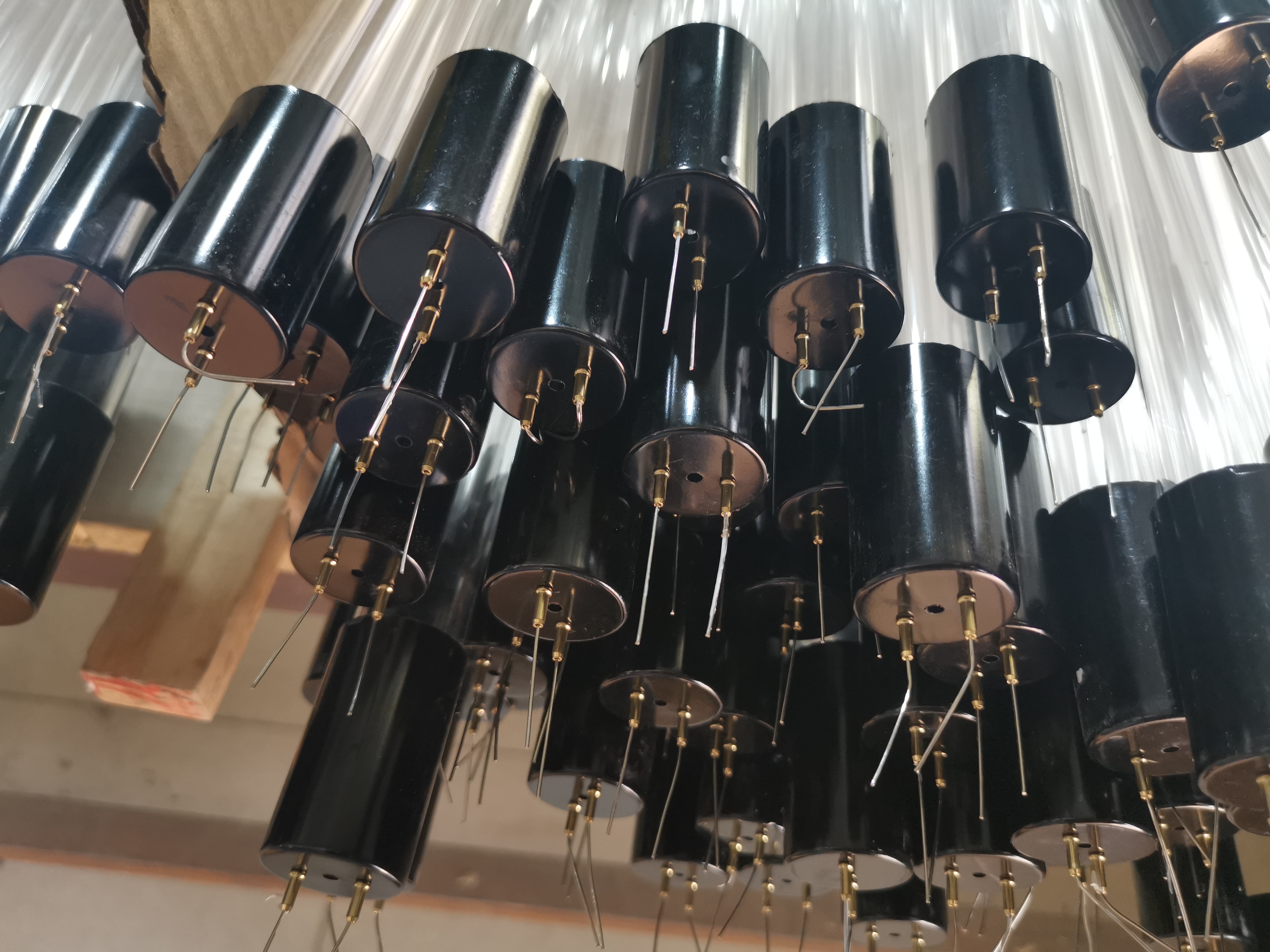
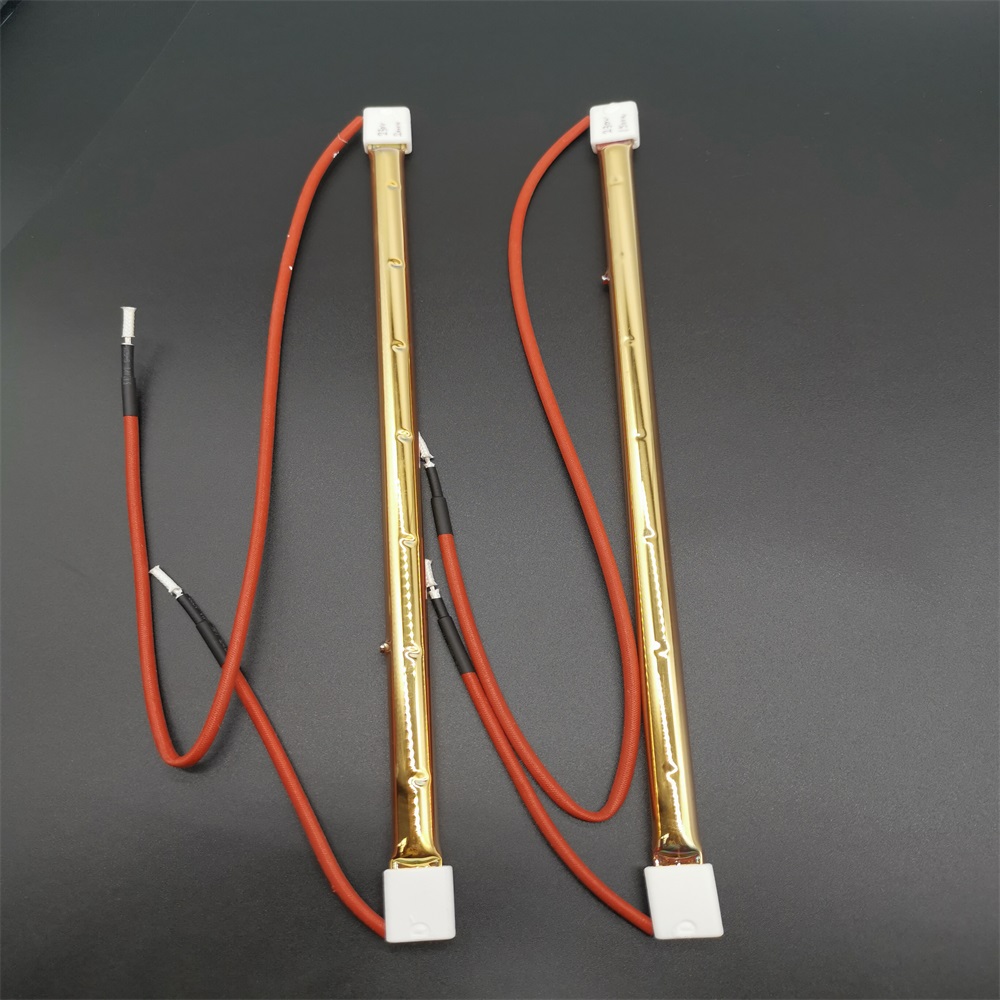
Other Lighting Bulbs & Tubes
Source specialty and other lighting bulbs and tubes directly from vetted manufacturers and wholesale suppliers. Designed for commercial importers, distributors, and brands requiring reliable OEM and private-label production. Ensure strict quality control and compliance for your specialized lighting supply chain.
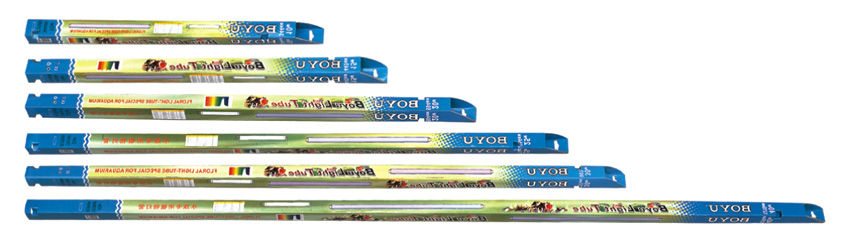
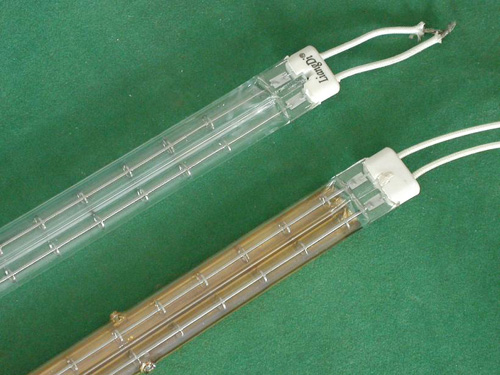
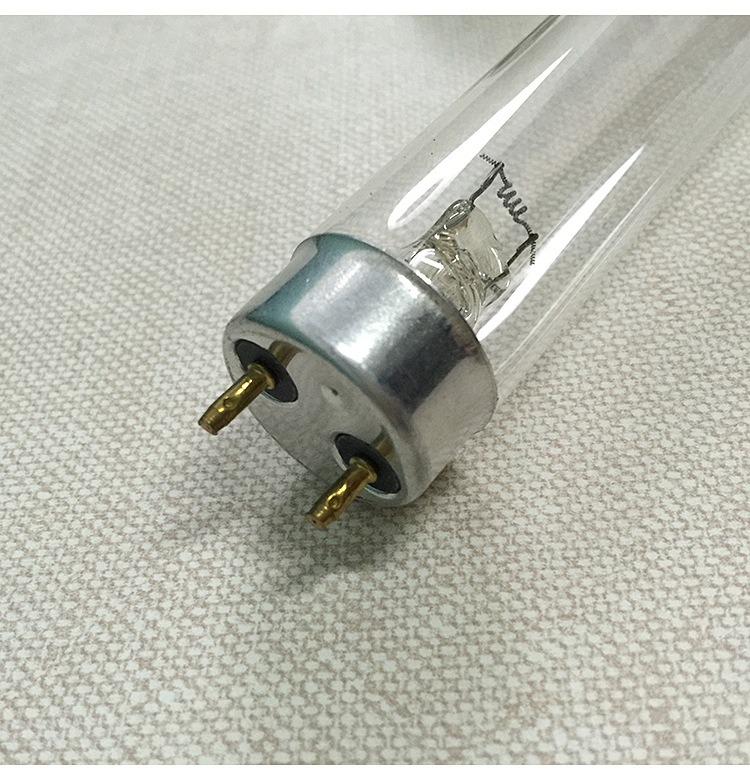
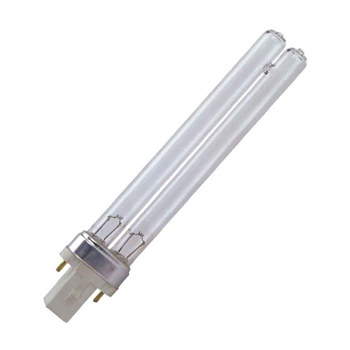
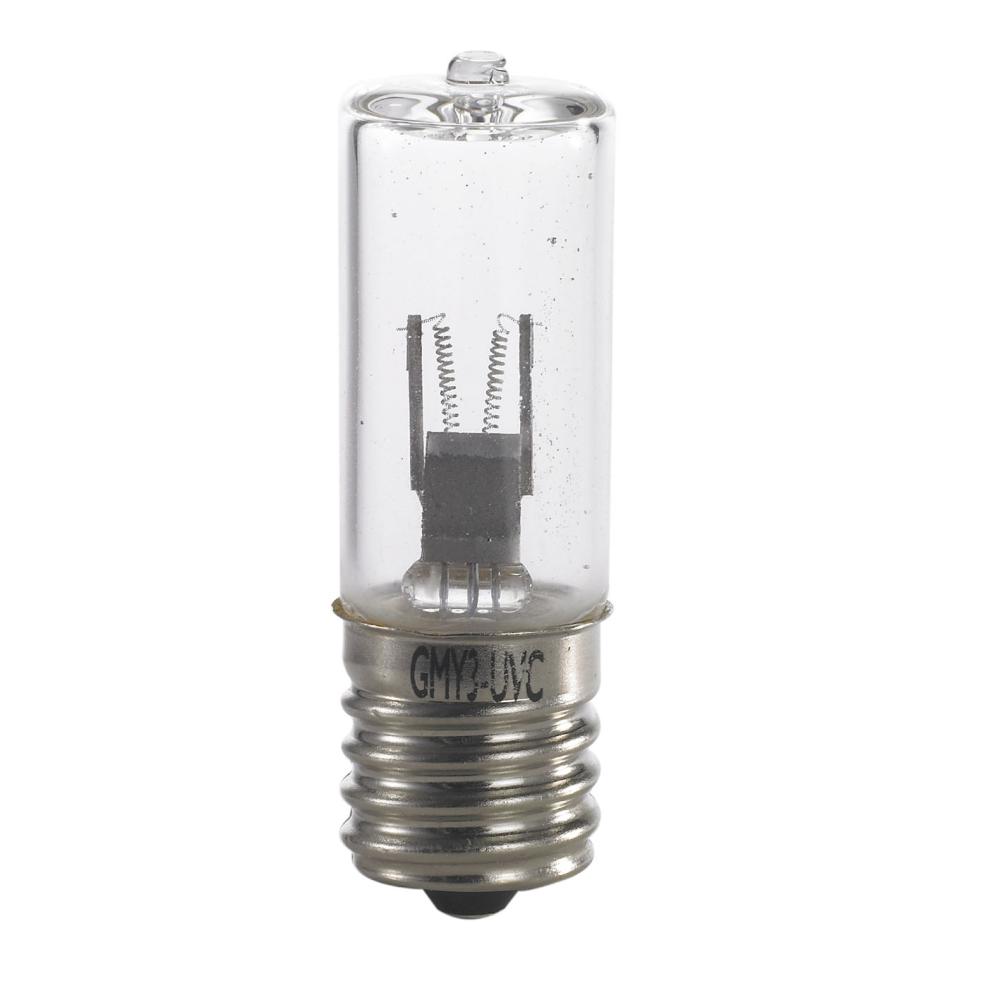
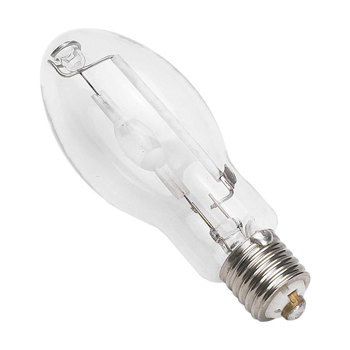
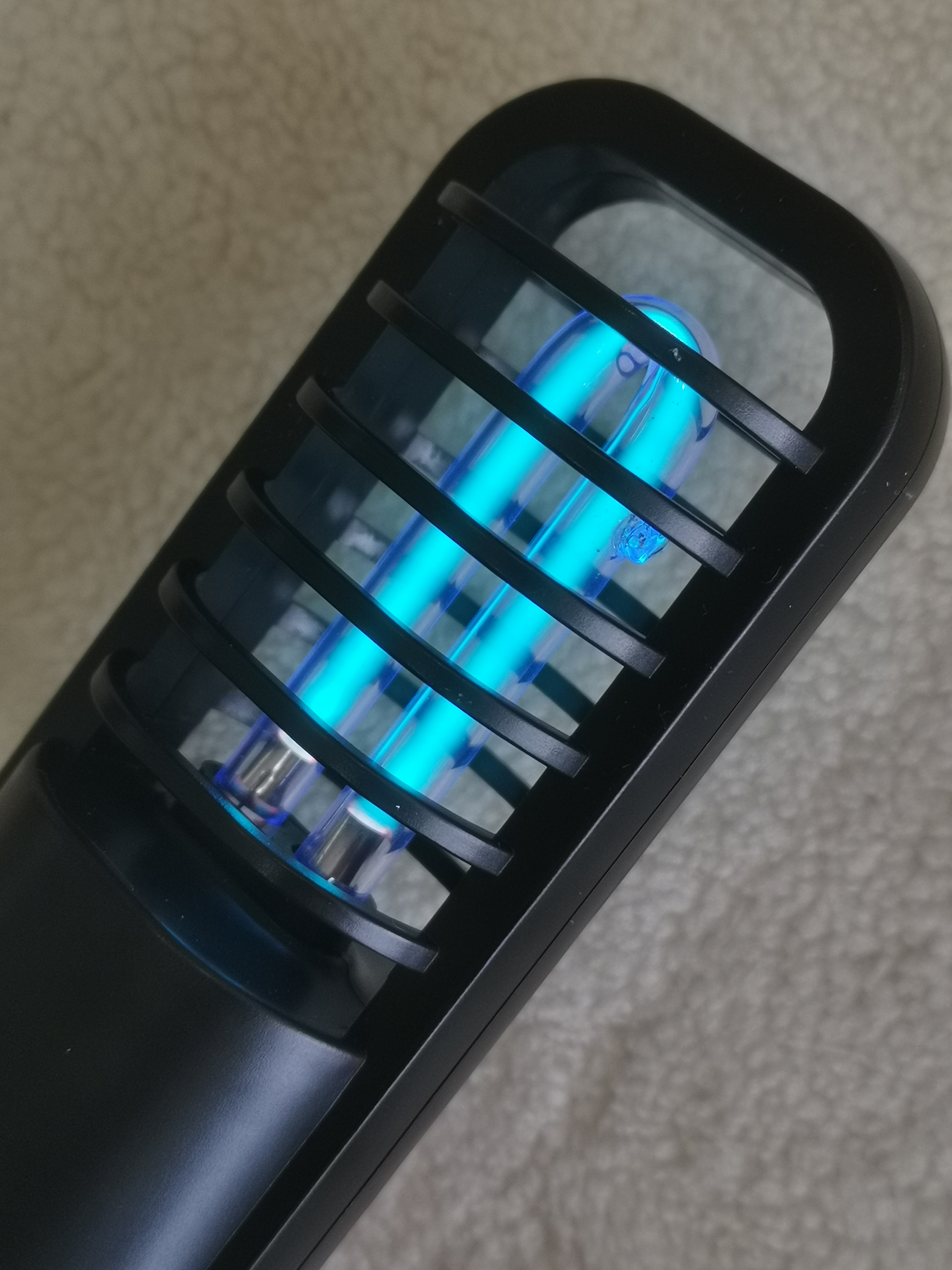
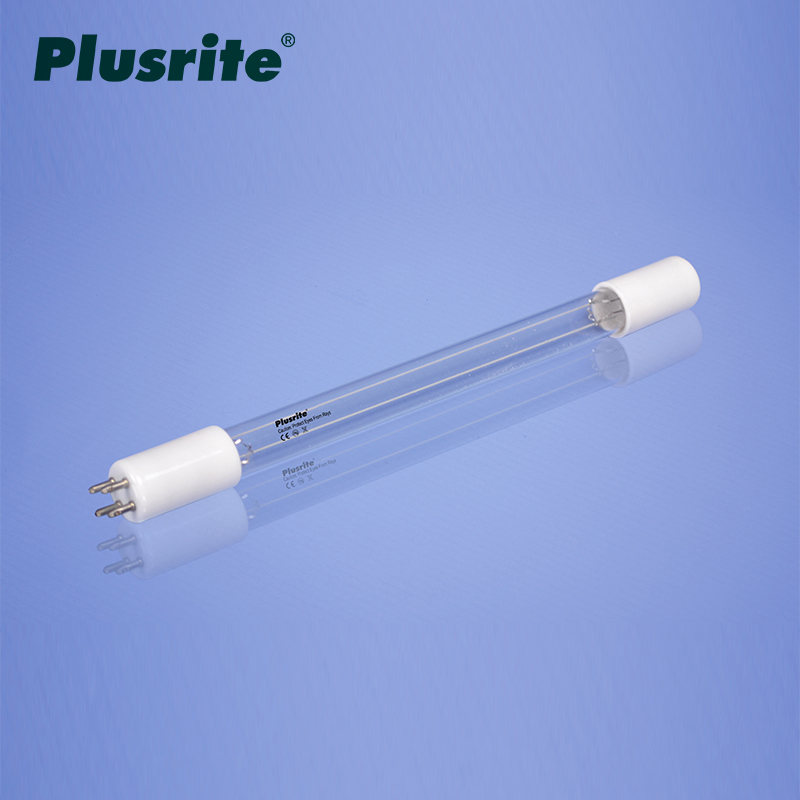
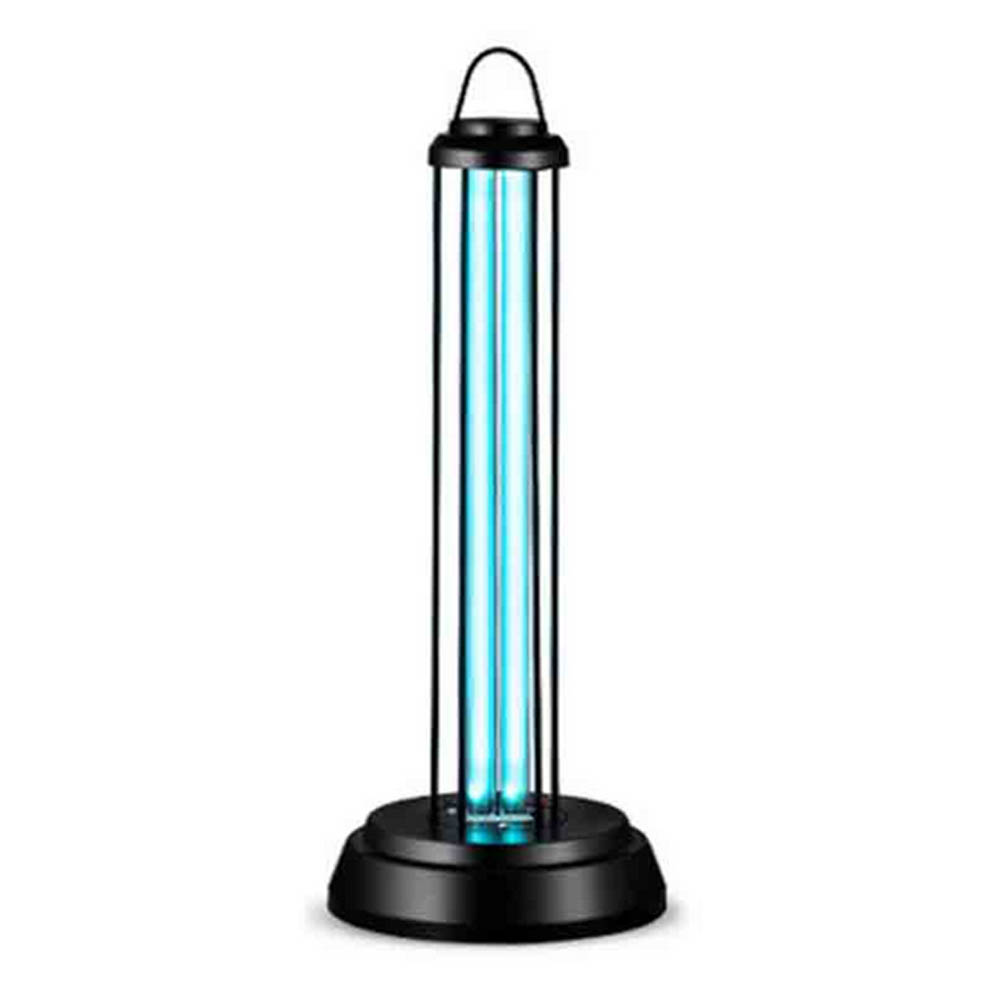
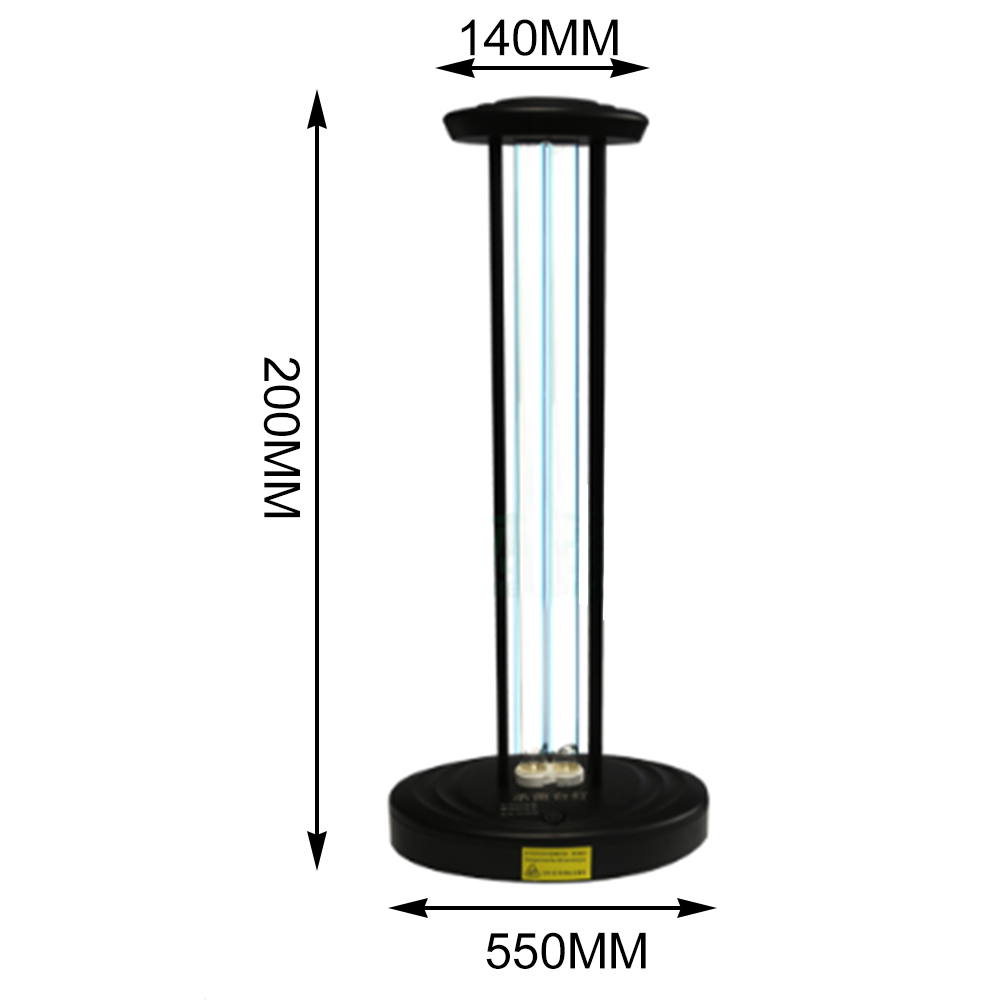
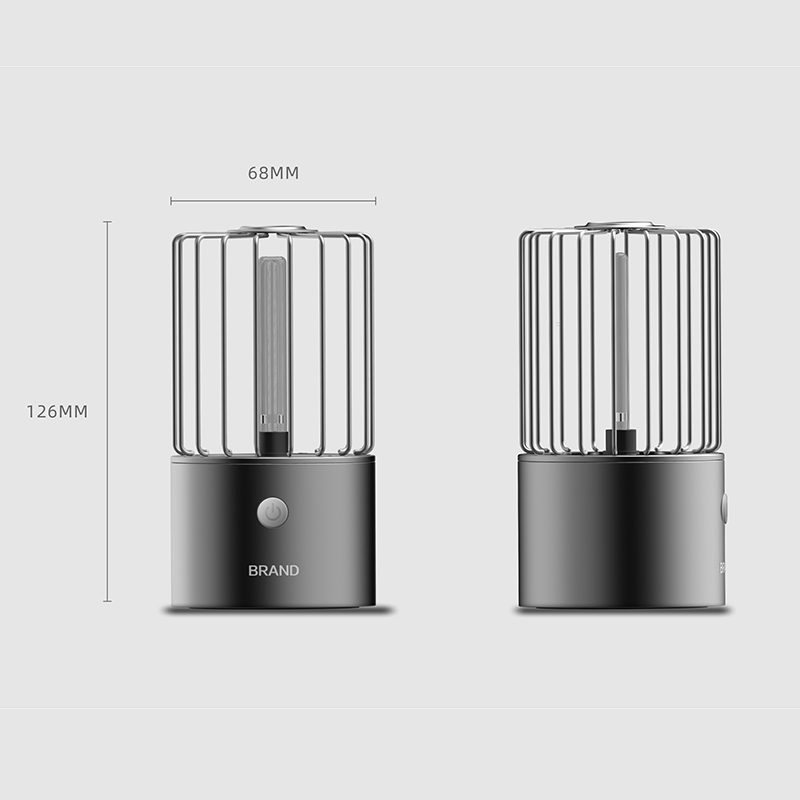
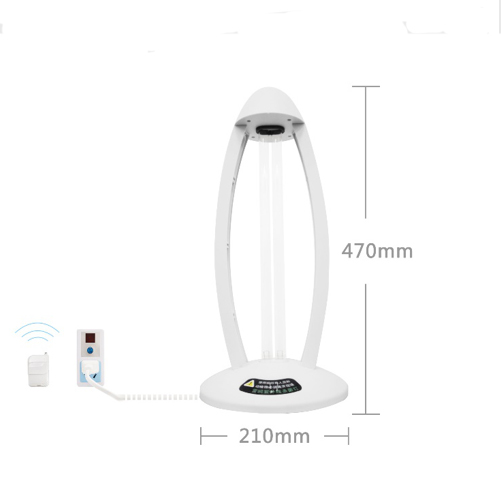
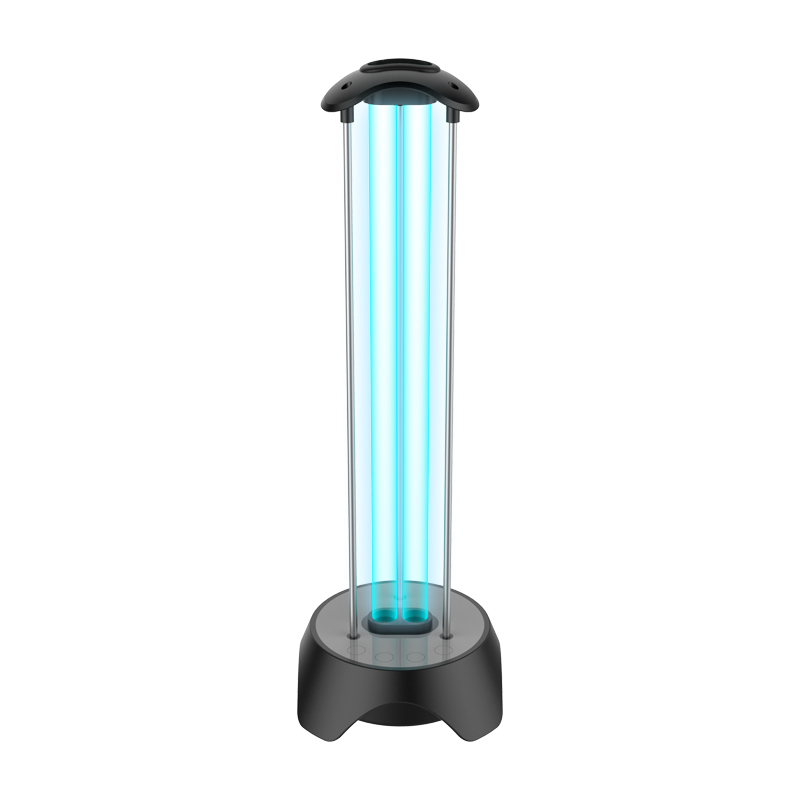
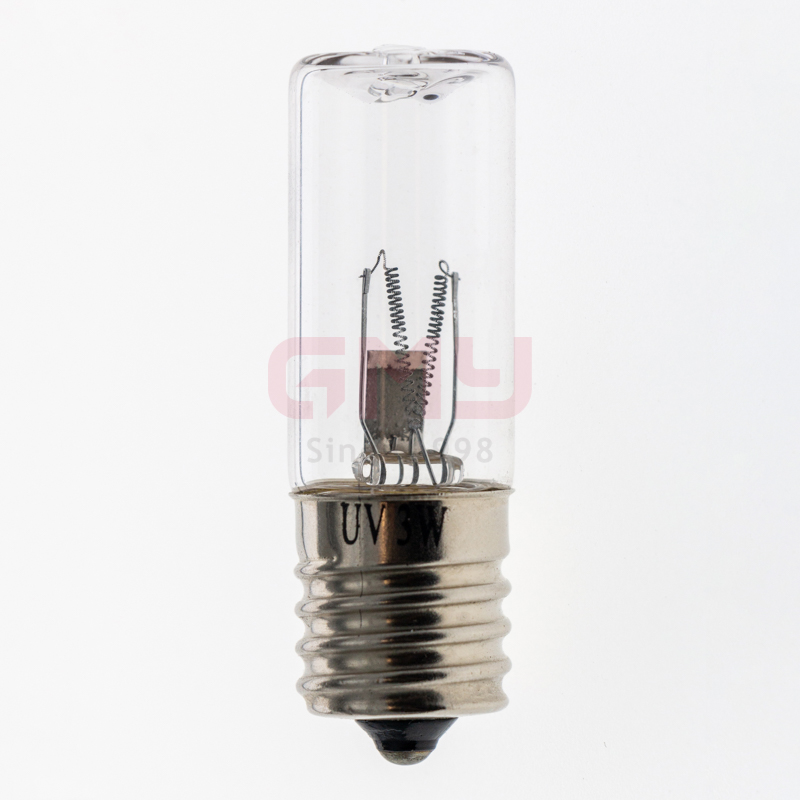
Sourcing non-standard, industrial, or specialty lighting—often categorized as "other" bulbs and tubes—requires navigating a highly fragmented supplier base. Whether your procurement covers ultraviolet (UV) tubes for sterilization, infrared (IR) heating lamps, cold cathode fluorescent lamps (CCFL), or legacy incandescent/halogen variants for specific industrial fixtures, the primary challenge remains the same: identifying manufacturers that maintain dedicated production lines for these specific technologies, rather than trading companies simply aggregating outsourced components.
Critical Specifications for Specialty Lighting
When dealing with non-standard lighting, standard photometric data (like basic lumen output and CCT) is rarely sufficient. Procurement managers must define precise technical parameters to avoid catastrophic failures in specialized applications.
- Spectral Output & Wavelength: For UV (UV-A, UV-B, UV-C) and IR lamps, the exact nanometer (nm) peak is critical. A shift of even a few nanometers in a UV-C sterilization tube can render it ineffective.
- Operating Environment Tolerances: Industrial tubes often face extreme temperatures, vibration, or humidity. You must specify the required thermal shock resistance (often dictating quartz glass over standard borosilicate) and vibration ratings.
- Electrical Characteristics: Non-standard tubes frequently require specific ballast matching. Specify the exact operating voltage, starting voltage, and current (mA) tolerances to ensure compatibility with the end-user's control gear.
- Base and Termination: Specialty bulbs often utilize proprietary or uncommon bases (e.g., specialized pin configurations, wire leads, or custom ceramic bases).
Need help verifying a specialty lighting factory's true technical capabilities and production lines?
Talk to our teamManufacturing Processes and Quality Control
The production of specialty gas-discharge or thermal-radiation lamps is highly sensitive to contamination and minute variations in the manufacturing environment. Quality is won or lost in the preparation and sealing phases.
| Production Phase | Common Defect Risk | Required QC Check |
|---|---|---|
| Glass Tube Preparation | Micro-cracks, uneven wall thickness | Polariscope inspection, dimensional checks |
| Coating / Phosphor App | Uneven coating, flaking | Visual inspection, adhesion testing |
| Evacuation & Gas Fill | Impurities, incorrect gas pressure | Spectroscopic analysis, leak testing |
| Pinch / Base Sealing | Oxidation, weak hermetic seal | Thermal shock testing, pull tests |
Implementing rigorous Quality Control & Inspection directly on the factory floor is essential. For gas-filled tubes, microscopic leaks at the molybdenum foil seal (in quartz lamps) or pin base will lead to premature failure. Furthermore, because these bulbs often serve regulated industries (medical, industrial safety), ensuring the factory has passed strict Factory Audits for ISO 9001 compliance and specialized manufacturing capabilities is non-negotiable.
Regulatory Compliance and Testing
Specialty lighting is heavily regulated. Depending on your destination market, you cannot rely on a supplier's generic CE or UL mark, as these often apply only to their standard LED lines.
Compliance Verification Checklist
- Verify photobiological safety reports (IEC 62471) for UV and IR emissions.
- Confirm RoHS compliance for hazardous substances, particularly if sourcing legacy fluorescent or discharge tubes containing mercury.
- Ensure LVD (Low Voltage Directive) and EMC (Electromagnetic Compatibility) testing specific to the exact bulb and ballast pairing.
- Validate UL/ETL listings for the specific component category in the North American market.
Leveraging professional Compliance & Testing services ensures that your specific batch meets these stringent international standards before shipment.
Pricing Dynamics, Lead Times, and MOQs
The economics of specialty lighting differ significantly from mass-market LEDs. Because these bulbs often require batch production with extensive machine setup and calibration times, factories are less flexible on minimum order quantities (MOQs).
Pricing is heavily influenced by raw material costs, particularly the grade of quartz glass used, the purity of the inert gases (Argon, Krypton, Xenon), and the complexity of the filament or cathode design. If you require proprietary designs for locked-in fixture ecosystems, utilizing OEM/ODM Services allows you to develop custom bases and form factors, though this will increase initial tooling costs and lead times.
Looking for competitive pricing and reliable lead times on non-standard lighting volumes?
Get a free consultationFrequently Asked Questions
Sourcing non-standard lighting bulbs and tubes requires moving beyond generic supplier directories to find manufacturers with genuine, specialized technical capabilities. By enforcing strict performance tolerances and conducting rigorous in-line inspections, buyers can secure reliable, compliant specialty lighting at scale.
Get Sourcing Help for Other Lighting Bulbs & Tubes
Tell us your requirements and our experts will connect you with verified manufacturers.