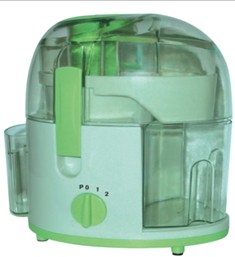
Other Kitchen Appliances
Source specialty and Other Kitchen Appliances directly from vetted manufacturers and factories in Asia. Designed for importers, wholesalers, and brands seeking reliable OEM and private-label production, this catalog connects you with specialized suppliers capable of delivering high-margin, compliant countertop appliances at competitive bulk wholesale pricing.
Sourcing specialty countertop appliances—ranging from vacuum sealers and food dehydrators to ice makers and precision egg cookers—presents a unique supply chain challenge. Because this category spans vastly different core technologies (compressors, heating elements, and vacuum pumps), manufacturing is highly fragmented. A factory producing reliable thermal appliances rarely has the in-house engineering to manufacture a high-quality compressor-driven unit. Building a cohesive product line requires navigating this fragmentation and matching your specific SKU to the right specialized production line.
Matching Core Technology to Factory Competencies
When vetting suppliers for specialty kitchen devices, their engineering core competency is the primary indicator of reliability. Attempting to source a motor-driven appliance from a factory whose primary export volume relies on stamped heating elements often results in high defect rates and premature motor burnout.
| Technology Type | Appliance Examples | Key Factory Competencies to Verify |
|---|---|---|
| Thermal / Heating | Dehydrators, Egg Boilers, Fondue Sets | Mica-band heater sourcing, thermal fuse calibration, high-temp plastics (PPS/PBT) |
| Motor / Pump | Vacuum Sealers, Electric Can Openers | DC motor winding, vacuum pressure testing, silicone gasket molding |
| Compressor / Cooling | Countertop Ice Makers, Rapid Chillers | Refrigerant handling (R600a), copper tube brazing, leak detection protocols |
Before committing to a supplier, executing thorough Factory Audits ensures the facility actually manufactures the core components relevant to your product, rather than simply assembling outsourced parts in a trading-company arrangement.
Need to consolidate specialty appliances across multiple specialized factories? We can help streamline your vendor base.
Talk to our teamMaterial Safety and Regulatory Compliance
Kitchen appliances operate at the intersection of electrical safety and food contact compliance, making regulatory adherence a strict barrier to entry in Western markets.
- Food Contact Materials (FCM): Any component touching food or water (e.g., dehydrator trays, ice maker reservoirs) must pass strict migration testing. For the US market, this means FDA CFR 21 compliance. For the EU, LFGB certification is required, which is notably stricter regarding silicone and plastic migration limits.
- Electrical Safety: Target markets dictate the required certifications. UL or ETL marks are standard for North America, while CE (LVD/EMC) and CB scheme certifications are required for Europe.
- Housing Materials: Standard housings use injection-molded ABS or Polypropylene (PP). For appliances generating heat, ensure the factory specifies fire-retardant grades (V-0 rating) to prevent housing deformation or fire risks.
If you are developing a custom product, integrating Compliance & Testing early in the engineering phase prevents costly redesigns after the tooling is already cut.
Quality Control and In-Line Inspection
Quality is won or lost on the assembly line. Because these appliances often feature high-wattage draws or moving parts, standard AQL (Acceptable Quality Limit) inspections should be supplemented with functional stress tests.
Critical QC Checkpoints for Specialty Appliances
- Hi-Pot (High Potential) Testing: Mandatory on 100 percent of units to ensure electrical insulation integrity.
- Earth Continuity: Verification of grounding lines for all metal-housed appliances.
- Thermal Cut-off Validation: Inducing an overheat state on a sample batch to ensure the thermal fuse trips before plastic deformation occurs.
- Drop Testing: ISTA 1A standard drop tests on retail packaging to verify internal motor/compressor mounts survive transit.
- Vacuum/Pressure Calibration: For sealers, testing negative pressure limits against the engineering specification (e.g., reaching under -60kPa).
Deploying independent Quality Control & Inspection teams to perform these tests prior to container loading is the most effective way to protect your brand from costly RMAs and safety recalls.
Wholesale MOQs, Pricing, and Lead Times
Because specialty appliances utilize custom injection molds and specific PCB programming, factories operate on strict minimum order quantities to offset line setup costs.
When utilizing OEM/ODM Services for a custom housing or upgraded internal components, expect the initial timeline to extend by 45 to 60 days to account for 3D modeling, prototype validation, and mold tooling.
Planning a private-label appliance line? Let's map out the production schedule and negotiate MOQs.
Get a free consultationFrequently Asked Questions
Successfully sourcing specialty kitchen appliances requires looking past the glossy catalog photos to verify the factory's actual engineering capabilities and compliance standards. By matching your product's core technology to the right specialized manufacturer, you can build a reliable, profitable appliance line that stands up to daily consumer use.
Get Sourcing Help for Other Kitchen Appliances
Tell us your requirements and our experts will connect you with verified manufacturers.