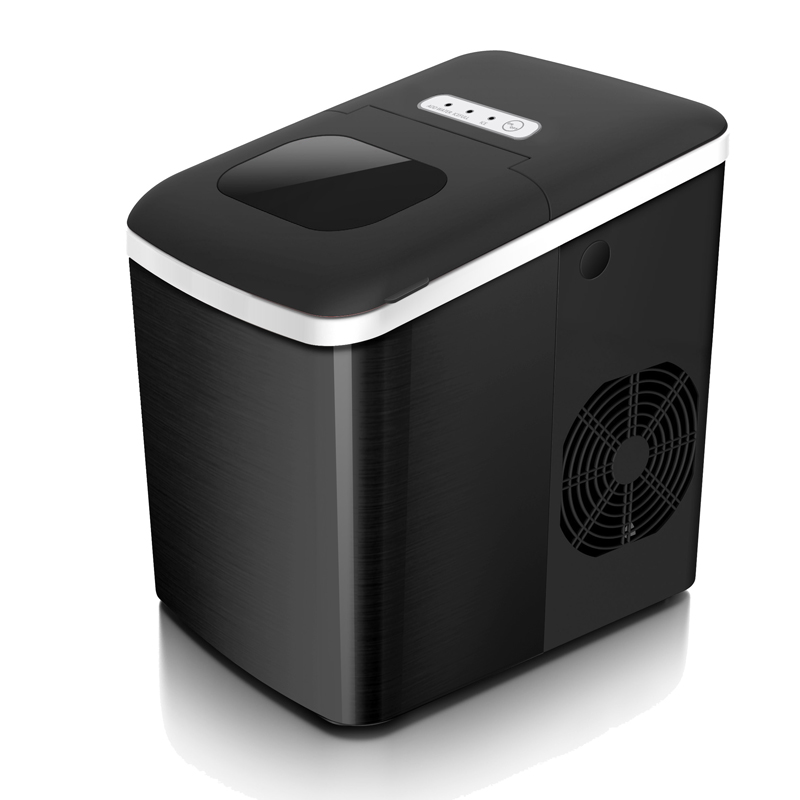
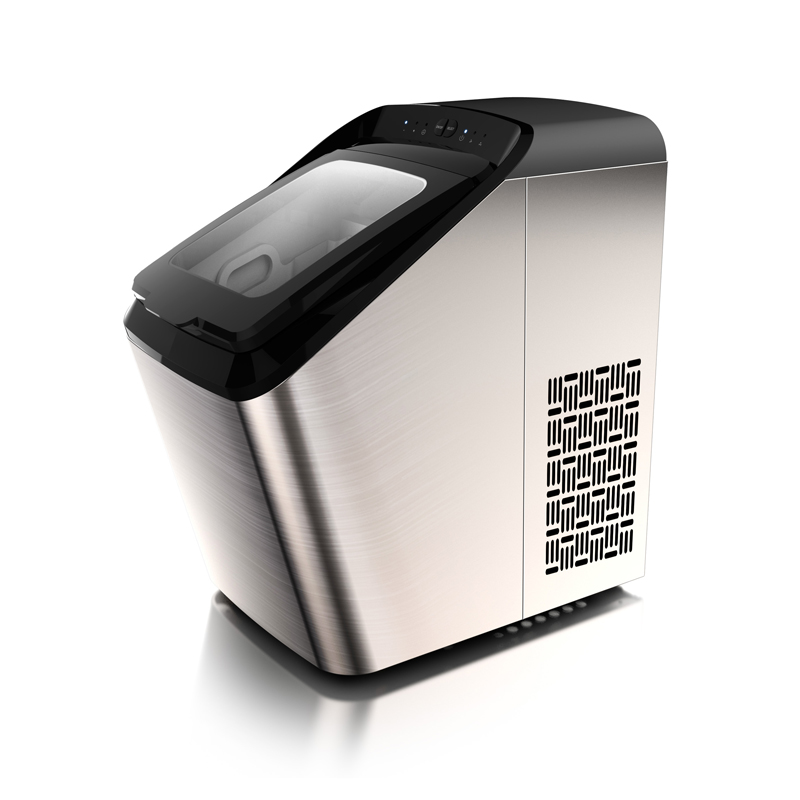
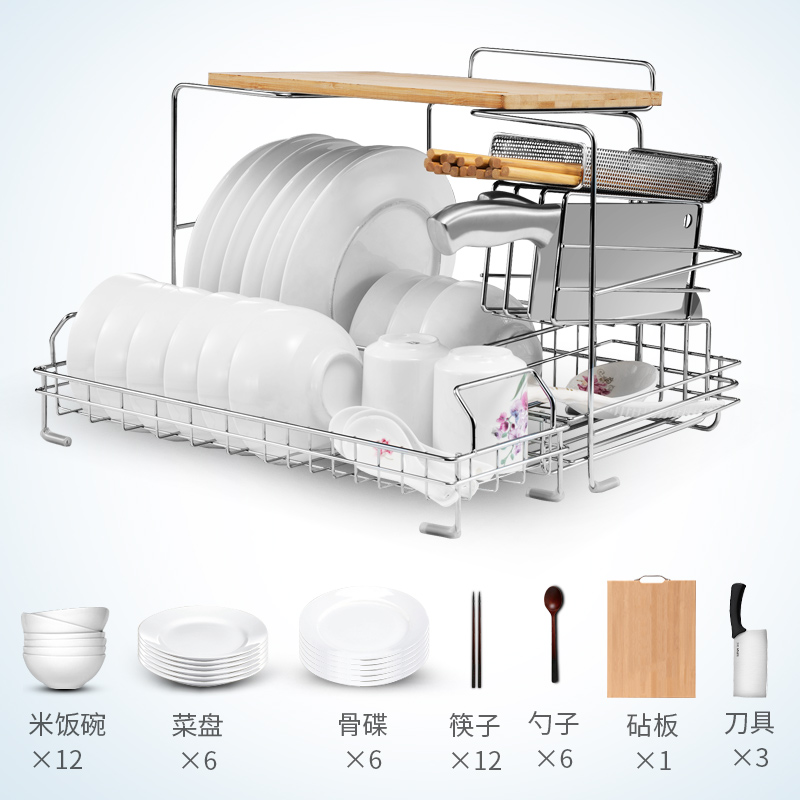
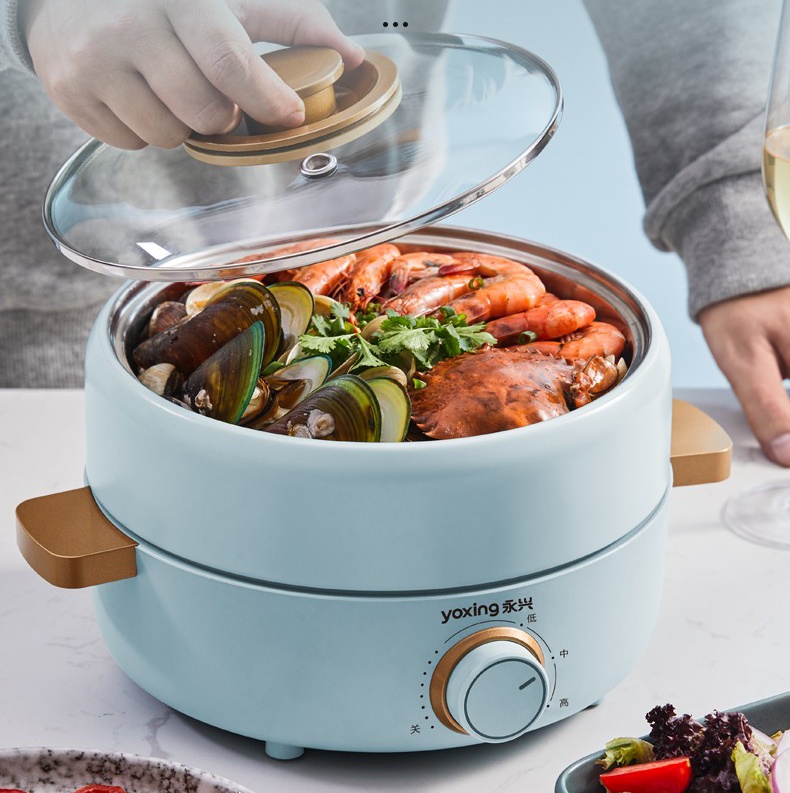
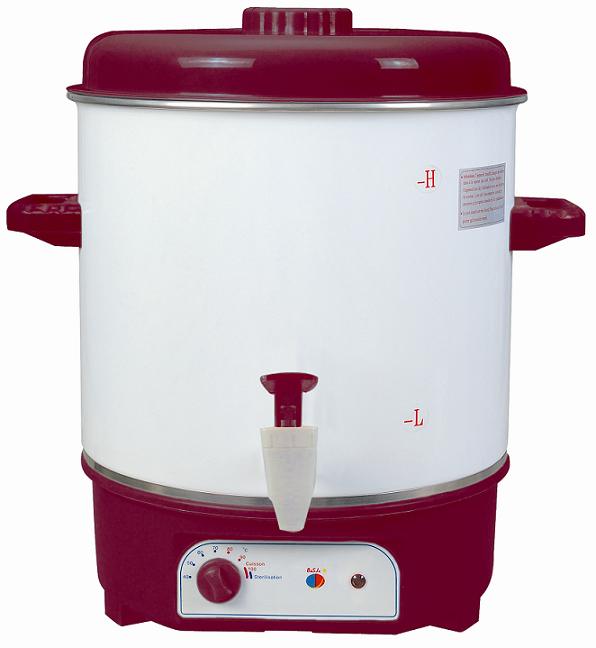
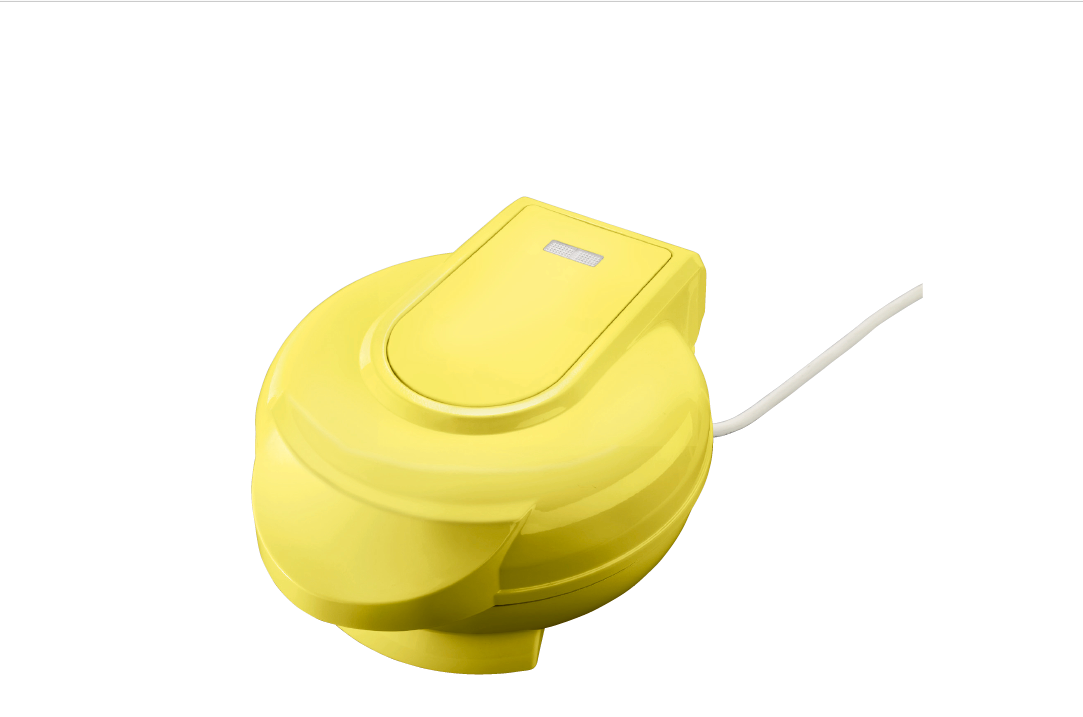
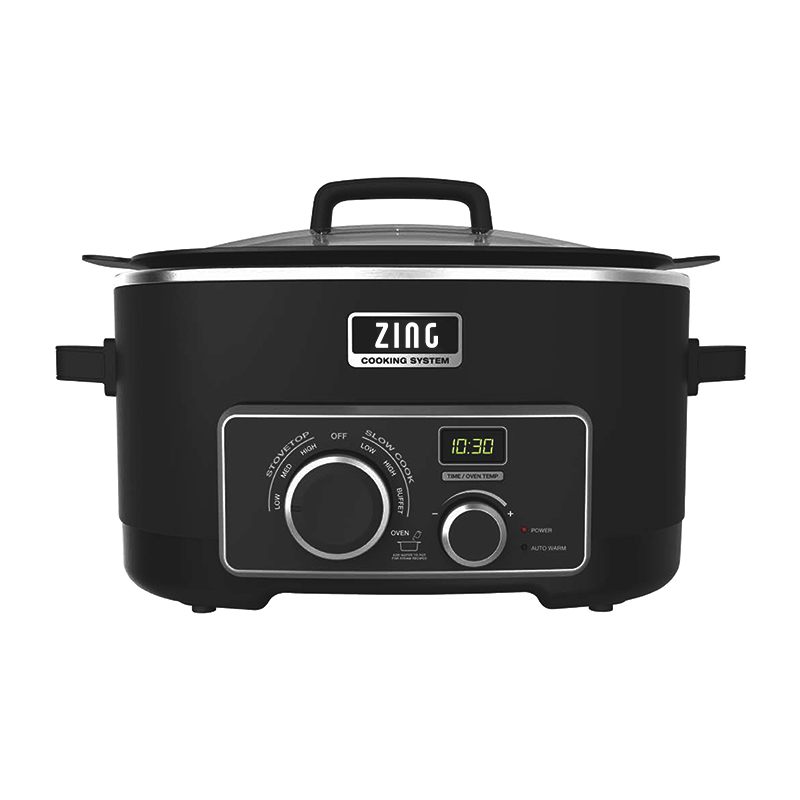
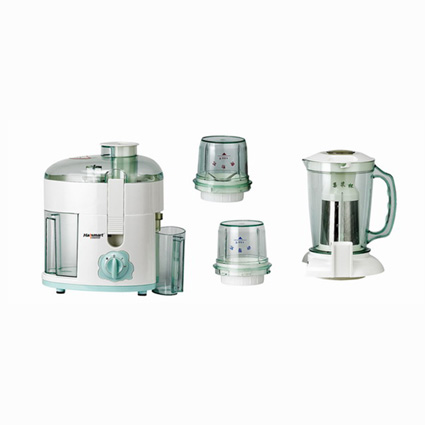
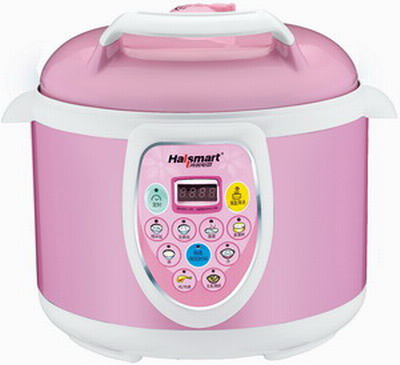
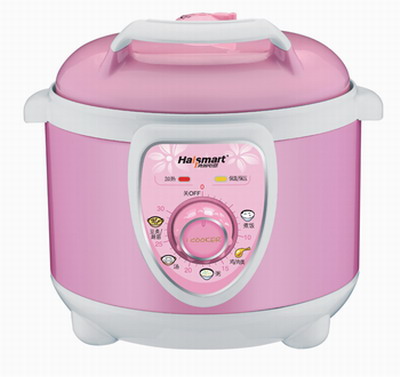
Other Kitchen Appliances
Source Other Kitchen Appliances in bulk from vetted manufacturers and suppliers. Designed for importers, wholesalers, distributors, and appliance brands requiring reliable OEM and private-label production, this category connects you with factory-direct pricing and verified production partners for specialized small kitchen appliances.
When sourcing specialized or emerging small kitchen appliances, the primary challenge lies in standardizing quality across non-standardized product types. Whether you are developing a novel heating appliance or a specialized motorized prep tool, the core engineering principles remain the same. Securing a reliable manufacturing partner ensures consistent electrical performance, thermal safety, and strict regulatory compliance across your entire production run.
Core Engineering and Component Selection
The durability of any small kitchen appliance comes down to its internal bill of materials (BOM). When negotiating with suppliers, you must specify the exact grade of components used, as factories will naturally default to cost-saving alternatives if parameters are left undefined.
| Component Sub-System | Standard Specification | Premium / High-Duty Application |
|---|---|---|
| Motors (Prep Tools) | Brushed DC motors, standard copper-clad aluminum wiring | Brushless DC (BLDC) or pure copper AC motors for continuous high torque |
| Heating Elements | Standard tubular heating elements, basic mica boards | PTC ceramic heaters, precision NTC thermistors for accurate temperature control |
| Housing Materials | Standard injection-molded ABS or PP plastics | Die-cast aluminum, brushed 304 stainless steel, or heat-resistant Tritan |
For motorized appliances, always verify the motor's duty cycle and thermal cutoff limits. A motor designed for intermittent use will fail quickly if the appliance's core function requires sustained operation.
Managing production for specialized kitchen appliances requires rigorous technical oversight. Let our sourcing experts verify factory capabilities and secure your supply chain.
Talk to our teamCompliance and Food Safety Standards
Kitchen appliances face strict regulatory environments because they combine mains electricity, heat generation, and direct food contact. Failing to secure the right certifications prior to export can result in shipments being seized at customs.
- Electrical Safety: Depending on your market, the appliance must pass UL/ETL (North America) or CE/LVD (Europe) standards. Pay special attention to grounding requirements and the quality of the internal wiring harness.
- Food Contact Materials (FCM): Any part touching food must be certified. The EU's LFGB standard is notably stricter than the US FDA standard, particularly regarding silicone and plastic migration under high heat.
- Electromagnetic Compatibility (EMC): Motorized appliances must not cause grid interference. Ensure the factory includes proper EMI filters in the PCB design.
Relying solely on a supplier's existing certificates is a common pitfall, as they may not cover your specific modifications. Implementing independent compliance testing on your final production samples is non-negotiable. Furthermore, conducting thorough factory audits ensures the manufacturer actually possesses the assembly environment and testing equipment required to maintain these standards at scale.
Production Realities: MOQs, Tooling, and Lead Times
Sourcing specialized appliances often involves custom housing or unique internal configurations. Understanding the financial mechanics of OEM/ODM services will help you forecast capital requirements accurately.
When negotiating tooling costs, clarify mold ownership in your manufacturing agreement. If you pay for the mold, you should retain the right to move it to another facility if the current supplier's quality degrades.
Need to negotiate customized tooling or complex MOQs? Our team handles pricing negotiations and contract structuring directly with manufacturers.
Get a free consultationQuality Control During Assembly
Defects in small appliances often stem from rushed assembly rather than poor component quality. Implementing strict quality control & inspection protocols during the assembly phase is critical.
Key Inspection Points for Small Appliances
- Hi-Pot (High Potential) testing on 100% of the assembly line to check for electrical leakage.
- Earth continuity testing for all metal-housed appliances.
- Visual inspection of PCB soldering joints for cold solder or bridging.
- Strain relief checks on the power cord assembly.
- Functional load testing simulating the maximum intended user capacity.
Successfully sourcing specialized kitchen appliances requires moving past aesthetic design and focusing heavily on thermal dynamics, motor capabilities, and material science. By locking down the BOM and enforcing rigorous in-line testing, you protect your brand from costly product recalls and secure a reliable, long-term supply chain.
Get Sourcing Help for Other Kitchen Appliances
Tell us your requirements and our experts will connect you with verified manufacturers.