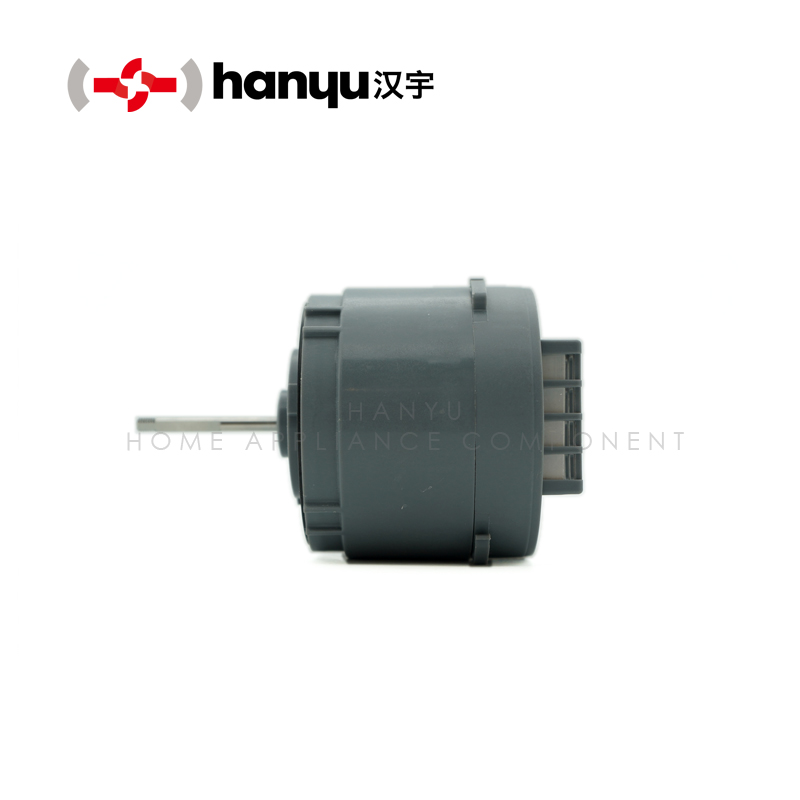
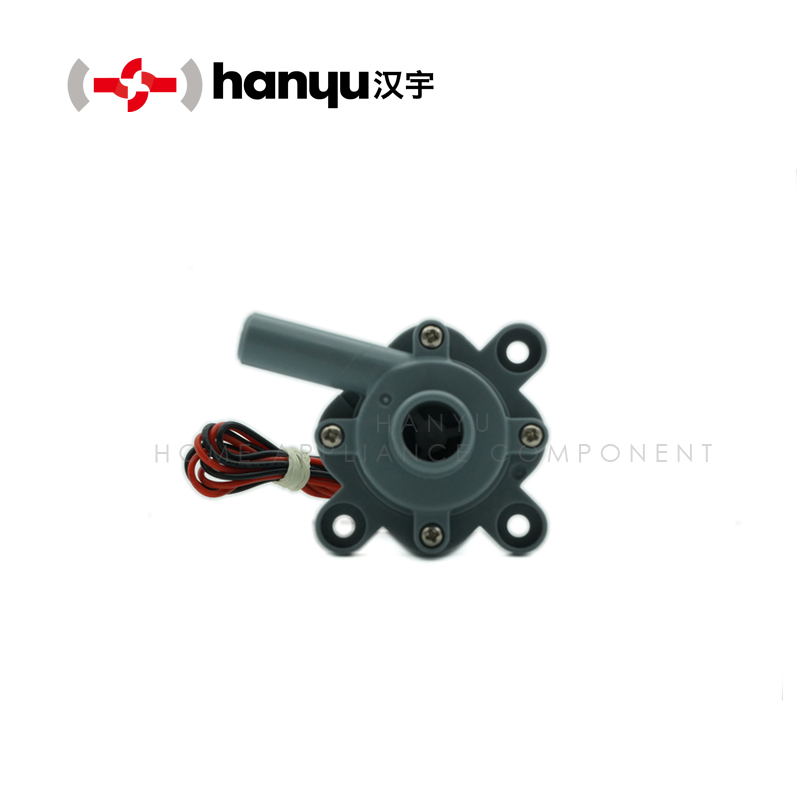
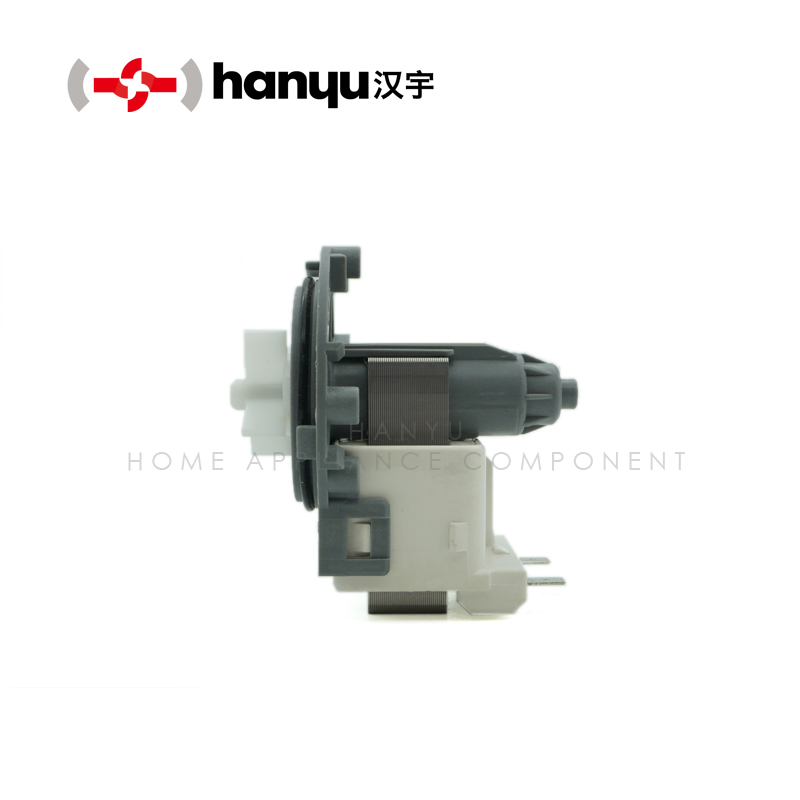
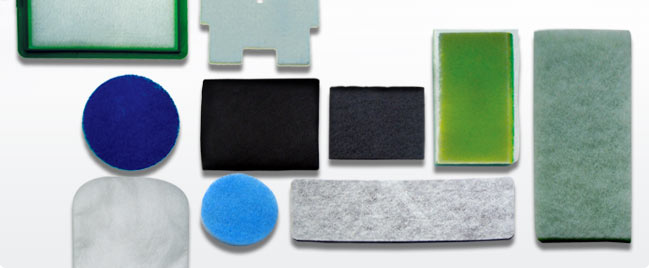
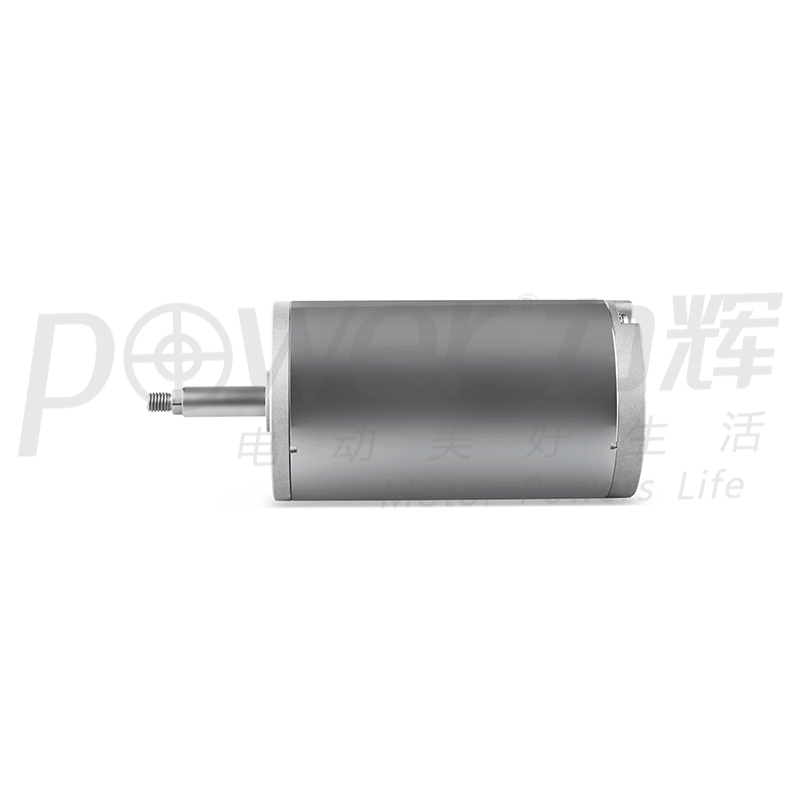
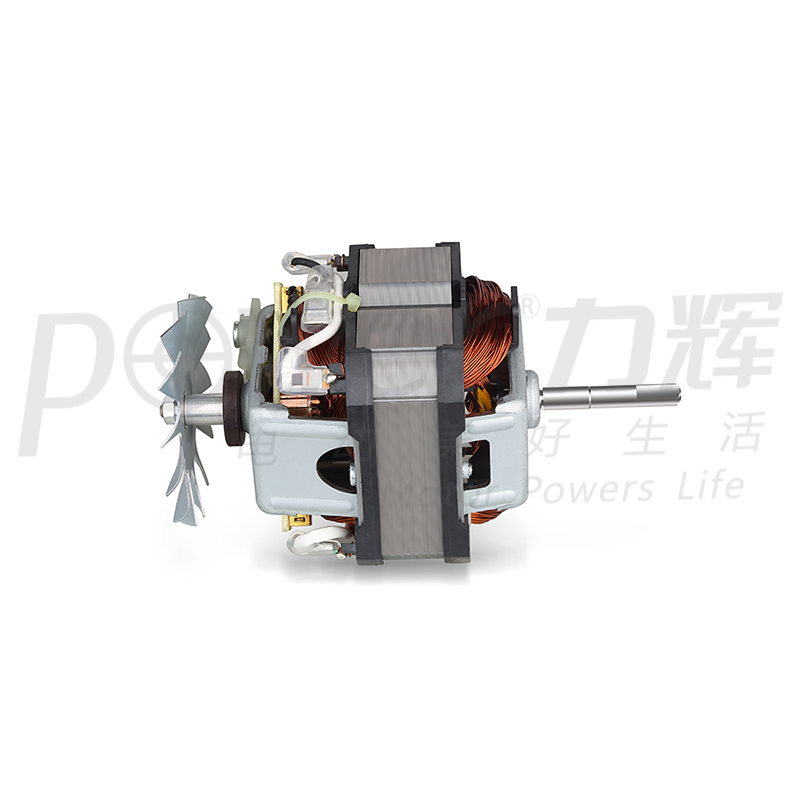
Other Kitchen Appliance Parts
Source bulk and custom Other Kitchen Appliance Parts directly from vetted manufacturers. Designed for importers, wholesalers, distributors, and appliance brands requiring reliable OEM and ODM production, this category covers specialized components ready for high-volume assembly or aftermarket distribution.
Sourcing miscellaneous and custom kitchen appliance parts—whether specialized silicone seals, custom injection-molded housings, or unique mounting brackets—requires strict attention to material safety and thermal tolerances. Because these components often interface directly with food, moisture, and high heat, precision in manufacturing and rigorous compliance testing are non-negotiable for high-volume buyers.
Critical Material and Performance Specifications
When developing or sourcing custom appliance parts, the exact material formulation dictates both the lifespan of the component and its regulatory compliance. Substituting a lower-grade polymer or metal alloy can lead to thermal degradation or chemical leaching.
Food-Grade and Thermal Compliance
Any part exposed to the cooking environment must utilize FDA, LFGB, or RoHS compliant materials. Ensure your supplier provides verifiable material test reports (MTRs) before mass production begins.
Key specifications to define with your manufacturer include:
- Thermal Tolerance: Specify continuous operating temperatures and peak exposure limits. For example, internal brackets near heating elements often require galvanized steel or high-temperature PEEK plastics rated over 200°C.
- Chemical Resistance: Parts exposed to detergents, oils, or acidic foods require specific corrosion-resistant coatings or 304/316 stainless steel.
- Dimensional Tolerances: For aftermarket replacement parts or assembly line integration, tolerances must be held tight (often within ±0.05mm for molded plastics) to ensure seamless fitment.
Need help verifying factory capabilities for custom appliance components?
Talk to our sourcing teamQuality Control in Component Manufacturing
The manufacturing method—typically injection molding for plastics, stamping for metals, or compression molding for silicones—dictates where defects are most likely to occur. Catching these issues at the factory level prevents costly assembly failures down the line. Implementing robust Quality Control & Inspection is essential.
Key Inspection Points for Custom Appliance Parts
- Verify material certificates against the approved golden sample.
- Check for flash, sink marks, or short shots in injection-molded plastics.
- Test silicone and rubber seals for compression set and tensile strength.
- Inspect metal stampings for burrs, sharp edges, and plating thickness.
- Conduct fitment testing with the mating appliance components.
If your parts require regulatory clearance for specific markets, integrating Compliance & Testing early in the prototyping phase ensures the final production run won't be held up at customs.
MOQs, Lead Times, and Tooling Costs
Because "other" parts often involve custom geometries, buyers should prepare for tooling investments. Standardized minor parts may be available off-the-shelf, but proprietary designs will require custom molds.
When engaging OEM/ODM Services for custom components, negotiate mold ownership terms upfront. Ensure your contract explicitly states that you own the tooling upon completion of payment, preventing the factory from using your molds for other clients.
Discuss tooling costs and production timelines for your custom parts.
Get a free consultationFrequently Asked Questions
Securing high-quality miscellaneous appliance parts comes down to rigorous material specification and strict quality oversight at the factory level. By clearly defining tolerances and enforcing compliance, you protect your product line from costly recalls and assembly delays.
Get Sourcing Help for Other Kitchen Appliance Parts
Tell us your requirements and our experts will connect you with verified manufacturers.