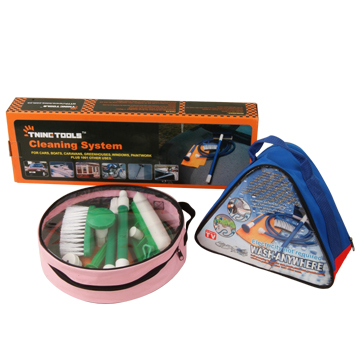
Other Household Cleaning Tools & Accessories
Source bulk Other Household Cleaning Tools & Accessories directly from vetted manufacturers and suppliers. This catalog is built for importers, wholesale distributors, and brands seeking reliable OEM and private-label production for specialty cleaning gadgets, tools, and hardware.
Sourcing specialty and miscellaneous cleaning tools presents a unique challenge. Because this category encompasses novel designs, multi-purpose gadgets, and specialized hardware that fall outside standard product buckets, standardizing quality can be difficult. Success requires strict attention to material grades, injection molding precision, and assembly durability to ensure the final product withstands repeated use and exposure to harsh cleaning chemicals.
Material Selection for Specialty Cleaning Tools
The longevity of any cleaning accessory dictates its market success. Subpar plastics will degrade, crack, or discolor when exposed to household solvents, bleach, or heavy mechanical stress. Specifying the correct polymer and metal grades upfront is non-negotiable.
| Material | Primary Application | Performance Characteristics |
|---|---|---|
| Polypropylene (PP) | Handles, main bodies, stiff bristles | High chemical resistance, excellent fatigue resistance, cost-effective. |
| ABS Plastic | Heavy-duty scrapers, tool housings | Superior impact resistance and rigidity; susceptible to some strong solvents. |
| TPR / Silicone | Ergonomic grips, squeegee blades | Provides slip resistance when wet. Requires precise overmolding to prevent delamination. |
| Stainless Steel (SS304) | Springs, internal mechanisms, poles | High rust resistance essential for wet environments. Avoid cheaper SS201. |
When developing multi-material tools, pay special attention to the overmolding process. Thermoplastic Rubber (TPR) grips molded over PP handles require exact temperature control during injection. If the factory runs the machines too cold, the chemical bond fails, resulting in grips that peel off after minimal use. Conducting thorough factory audits prior to production ensures the supplier has the advanced multi-shot injection molding equipment necessary for these designs.
Ensure your custom cleaning tools are manufactured to exact specifications with vetted suppliers.
Talk to our teamManufacturing Defects and Quality Control
Specialty cleaning tools often involve complex geometries or moving parts. This introduces multiple failure points on the factory floor. Implementing strict quality control & inspection protocols is critical before the goods leave the facility.
Critical QC Checks for Cleaning Accessories
- Visual Inspection: Check for flash (excess plastic at mold seams), sink marks, or short shots on injection-molded bodies.
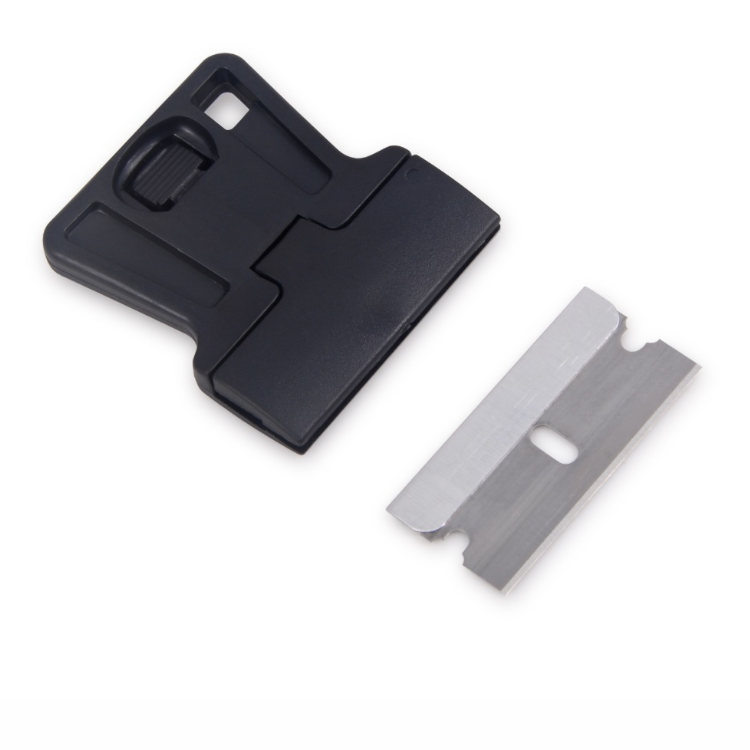
- Component Retention: Perform pull tests on bristles, scraper blades, or inserted components to ensure they meet minimum kilogram-force (kgf) requirements.
- Chemical Resistance Testing: Expose samples to standard household cleaners to verify plastics and dyes do not degrade or bleed.
- Drop Testing: Execute standard drop tests from 1 to 1.5 meters onto concrete to verify ABS/PP housing impact resistance.
- Mechanism Cycling: For tools with moving parts (e.g., ratchets, spray triggers), perform lifecycle testing to ensure springs and seals hold up.
Buying Mechanics: MOQs, Pricing, and Lead Times
Procurement parameters in this category vary wildly depending on whether you are buying off-the-shelf designs or developing proprietary tools. Because specialty items often require unique molds, tooling costs are a primary pricing driver.
For brands utilizing OEM/ODM services to create new cleaning innovations, expect to pay for mold development upfront. Ensure your manufacturing agreement clearly stipulates that you own the molds upon completion, preventing the factory from selling your proprietary design to competitors.
Streamline your pricing negotiations and factory communications.
Get a free consultationFrequently Asked Questions
Managing the production of miscellaneous cleaning tools requires vigilance, as the lack of category standardization allows suppliers to easily cut corners on hidden materials. By strictly defining polymer grades, enforcing overmolding tolerances, and implementing rigorous functional testing, you can build a highly profitable, defect-free product line.
Get Sourcing Help for Other Household Cleaning Tools & Accessories
Tell us your requirements and our experts will connect you with verified manufacturers.