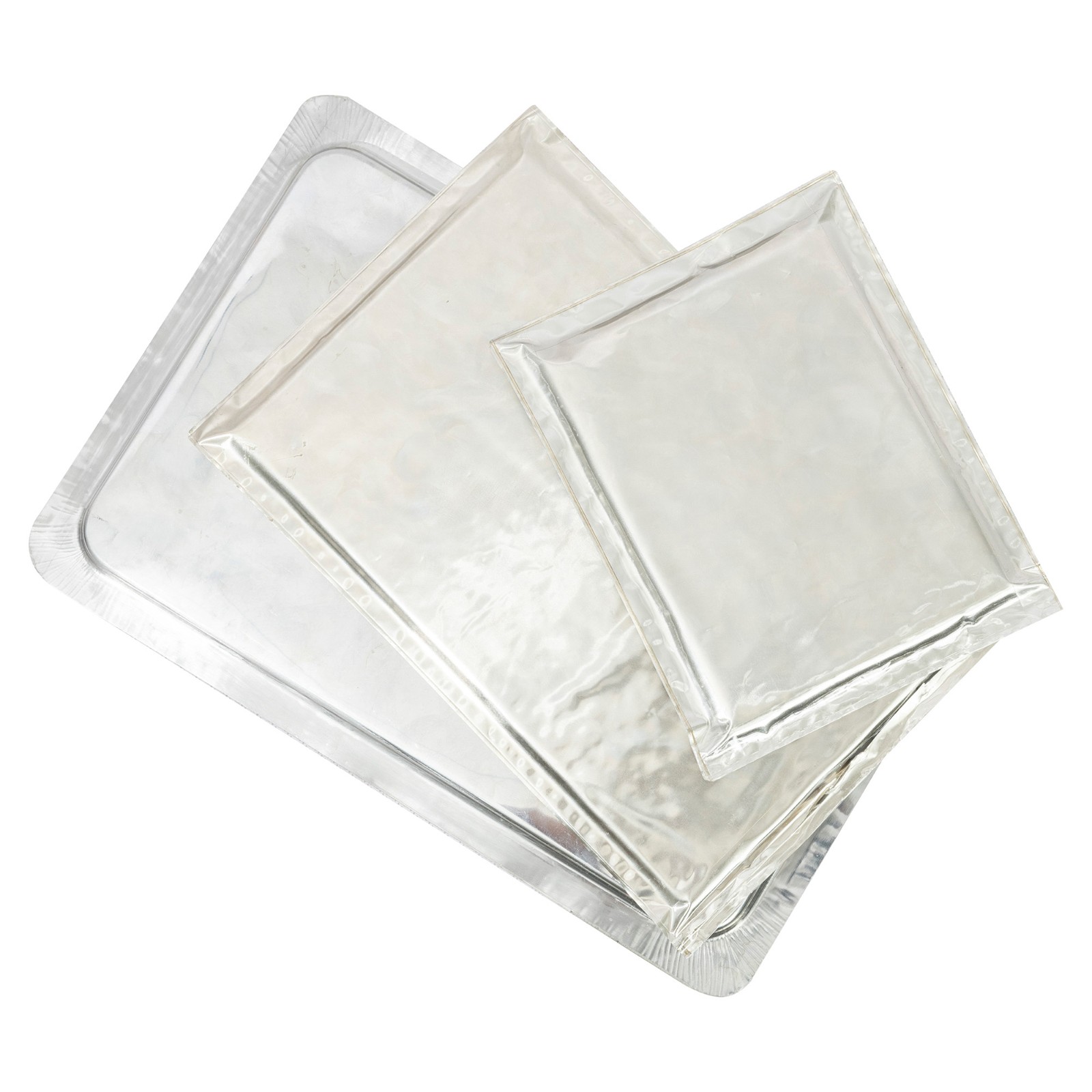
Other Heat Insulation Materials
Source specialized and custom Other Heat Insulation Materials from vetted suppliers and manufacturers in China and Asia. Designed for commercial importers, wholesalers, and distributors, our network provides bulk pricing and OEM production for unique thermal management solutions, ensuring strict compliance with global building codes and industrial standards.
Procuring specialized or non-standard heat insulation materials—ranging from reflective radiant barriers and acoustic-thermal composites to high-temperature industrial blankets—presents unique sourcing challenges. Because these products fall outside standard fiberglass or EPS categories, factory specialization varies significantly. Securing the right supplier requires matching your specific thermal, acoustic, and regulatory requirements with a manufacturer equipped for that exact material matrix.
Critical Specifications for Specialty Insulation
When sourcing niche insulation products, generic specifications lead to compliance failures and performance drops. Buyers must define exact parameters based on the end-use environment, whether it is residential construction, HVAC ducting, or industrial kilns.
| Specification | Measurement Unit | Sourcing Implication |
|---|---|---|
| Thermal Conductivity (λ-value) | W/m·K | Dictates insulation efficiency. Lower values require precise density and binder control during manufacturing. |
| Operating Temperature Range | Degrees Celsius (°C) | Critical for industrial applications. Exceeding limits causes material degradation or off-gassing. |
| Density | kg/m³ | Impacts both thermal resistance and shipping weight. Inconsistent density indicates poor factory process control. |
| Fire Retardancy | Class A, B1, etc. | Must align with destination market building codes (e.g., ASTM E84, EN 13501-1). Requires verified chemical treatments. |
Manufacturing Quality and Process Control
The reliability of specialty insulation is won or lost on the factory floor. For laminated products like reflective foil insulation, the adhesive application and curing process determine whether the product will delaminate under high heat or humidity. For fibrous or ceramic materials, the distribution of binders affects both structural integrity and airborne particulate levels.
Common manufacturing defects to watch for include:
- Inconsistent lamination: Air bubbles or weak adhesion between foil facings and the core material.
- Density variations: Thin spots in blanket or roll materials that compromise the overall thermal resistance (R-value).
- Poor edge finishing: Frayed or uneven edges that complicate installation and sealing.
- Inadequate curing: Resulting in residual chemical odors or off-gassing, which is unacceptable for indoor residential or commercial applications.
Because the production lines for a ceramic fiber blanket look entirely different from those producing bubble-foil radiant barriers, conducting thorough factory audits is essential. This ensures the supplier actually manufactures the specific material you need, rather than subcontracting it to unverified facilities.
Navigating specialized insulation manufacturing requires strict oversight. Let us verify your suppliers and manage the technical details.
Talk to our teamCompliance and Market Standards
Specialty insulation materials are heavily regulated. Importers must ensure products meet strict fire safety, thermal performance, and environmental standards. Claimed specifications on a supplier's Alibaba page or catalog are rarely sufficient for customs clearance or commercial building inspections.
To mitigate risk, independent compliance and testing should be integrated into your sourcing process. Thermal conductivity and fire retardancy must be tested by accredited third-party laboratories to ensure the imported batch matches the approved pre-production sample.
Pricing, MOQs, and Lead Times
Pricing for specialized insulation is highly dependent on raw material costs (such as aluminum, specialized polymers, or ceramic oxides) and the complexity of the manufacturing process.
Volume buyers can often negotiate better pricing by optimizing container utilization. Insulation is notoriously bulky; working with a partner who understands how to compress packaging safely without damaging the material's cellular structure is key to reducing landed costs.
Optimize your container loads and reduce landed costs. Speak with our sourcing experts about your insulation requirements.
Get a free consultationOEM and Customization Capabilities
Many commercial buyers require custom modifications to standard insulation products. This might include applying specific reinforced facings (like FSK - Foil-Scrim-Kraft), adding pressure-sensitive adhesive (PSA) backings for easy installation, or cutting materials to custom widths and lengths for specific HVAC applications.
If you are developing a proprietary thermal solution, leveraging professional OEM/ODM services ensures your exact material formulations and branding requirements are clearly communicated and executed by the factory.
Successfully sourcing specialized heat insulation materials requires moving beyond basic price negotiations. By rigorously defining technical specifications, verifying factory capabilities, and enforcing strict pre-shipment quality control, buyers can secure high-performance thermal solutions that meet demanding regulatory standards.
Get Sourcing Help for Other Heat Insulation Materials
Tell us your requirements and our experts will connect you with verified manufacturers.