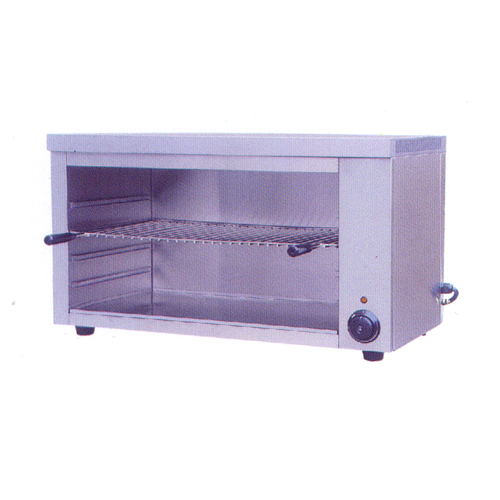
Other Food Processing Machinery
Source specialized and custom Other Food Processing Machinery from vetted manufacturers and suppliers in Asia. Designed for importers, distributors, and brands requiring OEM production, our network delivers industrial-grade equipment built to strict food safety standards. Procure high-volume machinery with confidence and reliable lead times.
Sourcing specialized or non-standard food processing machinery requires strict attention to sanitary design and electrical reliability. When standard equipment categories do not cover your specific production needs, you are often dealing with niche manufacturers or requesting custom modifications. The primary sourcing challenge is ensuring that these specialized units meet international food safety standards, utilize genuine food-grade materials, and can withstand rigorous commercial washdown environments without electrical failure or bacterial buildup.
Critical Specifications for Specialized Machinery
When specifying non-standard food processing equipment, the baseline requirements for hygiene and durability remain absolute. Buyers must clearly define the material grades and the Ingress Protection (IP) ratings for all electrical enclosures.
- Material Selection: Food contact zones must be constructed from SUS304 or SUS316L stainless steel. Lower grades, such as SUS201, are prone to corrosion when exposed to food acids and harsh cleaning chemicals. Ensure your supplier provides material test reports.
- Electrical Components: Niche machinery often relies on custom PLC programming. Specify internationally recognized brands for motors, inverters, and PLCs (such as Siemens, Schneider, or Mitsubishi) to ensure you can source replacement parts locally.
- Washdown Capability: Food processing environments require daily high-pressure cleaning. Motors and electrical cabinets must be rated appropriately for the environment.
| Environment | Required IP Rating | Material Standard | Typical Application |
|---|---|---|---|
| Dry Processing | IP54 to IP65 | SUS304 Contact Zones | Powders, dry baking |
| Wet Processing | IP65 to IP67 | Full SUS304/316 | Sauces, raw meats, dairy |
| High-Pressure Washdown | IP69K | Full SUS316L | Heavy industrial sanitization |
Ensure your specialized machinery meets strict food-grade and washdown standards.
Talk to our teamSanitary Design and Manufacturing Quality
The difference between a commercial-grade machine and a liability often comes down to the fabrication process on the factory floor. In food machinery, poor welding creates "dead zones"—crevices where food particles accumulate and bacteria thrive.
When evaluating a manufacturer, you must look beyond the spec sheet and examine their fabrication standards. Sanitary welding (TIG welding with back purging, followed by grinding and polishing to a specific Ra surface finish) is non-negotiable for food contact surfaces.
Implementing rigorous quality control & inspection is critical before the machinery leaves the factory. For specialized equipment, this often involves Factory Acceptance Testing (FAT).
Factory Acceptance Testing (FAT) Priorities
- Verify all food contact surfaces are polished to Ra 0.8 micrometers or better.
- Inspect welds for pitting, cracks, or unpolished seams.
- Run the machine continuously under a simulated load to check for motor overheating.
- Test emergency stop functions and safety interlocks.
- Confirm the electrical voltage and frequency match the destination country.
If you are modifying an existing machine design to handle a unique food product, utilizing professional OEM/ODM services ensures that the factory's engineering team correctly calculates the new load requirements and updates the PLC programming accordingly, rather than just making improvised physical alterations.
Compliance, Certification, and Factory Verification
Industrial food machinery must clear stringent customs and regulatory hurdles. Depending on your market, this means CE machinery directives, UL/CSA electrical standards, or NSF/FDA sanitary design guidelines.
Do not take a supplier's certification claims at face value. It is highly recommended to conduct thorough factory audits to verify that the facility actually holds valid ISO 9001 certifications and possesses the in-house engineering capacity to support complex machinery, rather than acting as a simple assembly workshop. Furthermore, leveraging professional compliance & testing services ensures that the specific materials used in your batch pass migration testing for food safety.
Pricing Drivers, MOQs, and Lead Times
Specialized food processing equipment is capital-intensive, and the purchasing mechanics reflect this. MOQs are typically low, but lead times can be extensive due to the necessary customizations for voltage, frequency, and specific tooling.
Pricing is heavily dictated by the origin of the core components. A machine utilizing domestic Chinese motors and PLCs will cost significantly less than one outfitted with imported European or Japanese electronics. Buyers must balance the upfront cost savings against the long-term availability of local maintenance support.
Streamline your machinery procurement and avoid costly compliance delays.
Get a free consultationFrequently Asked Questions
Successful procurement of specialized food processing machinery relies on strict verification of sanitary design and electrical component sourcing. By defining exact material grades and mandating rigorous Factory Acceptance Testing, buyers can secure reliable, high-performance equipment that meets all regulatory demands.
Get Sourcing Help for Other Food Processing Machinery
Tell us your requirements and our experts will connect you with verified manufacturers.