Other Desk Organizers
Source premium and custom Other Desk Organizers from vetted manufacturers and wholesale suppliers. Designed for importers, distributors, and brands seeking OEM/ODM production, our catalog covers non-standard, multi-material, and tech-integrated workspace solutions for bulk procurement.
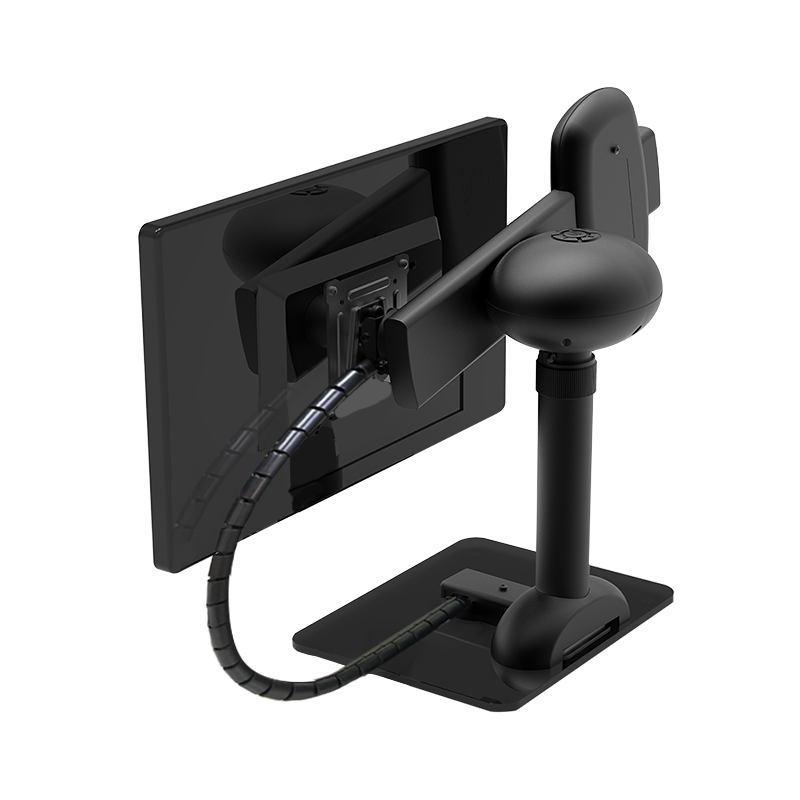
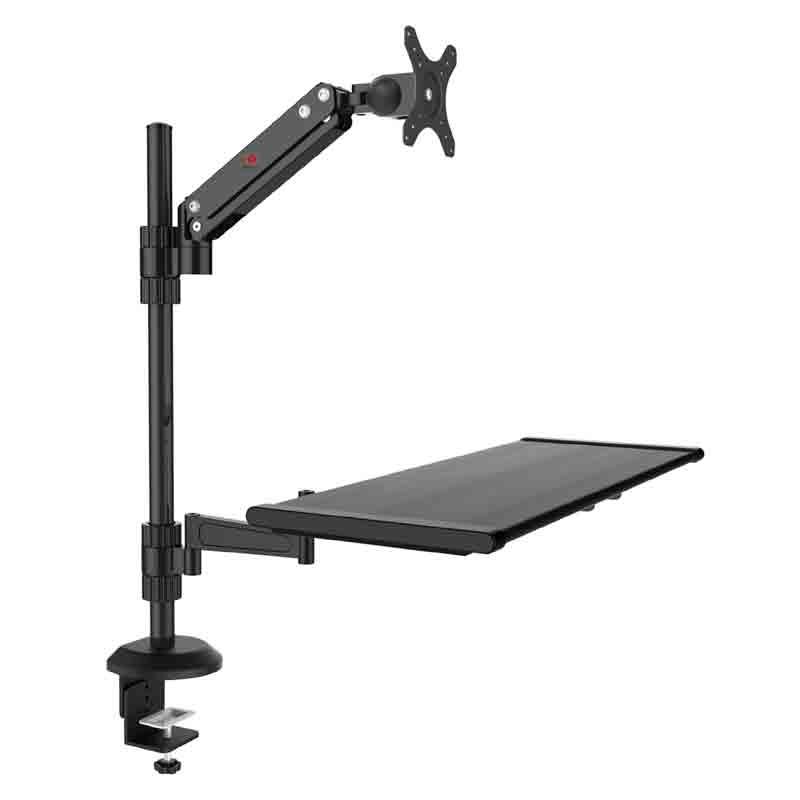
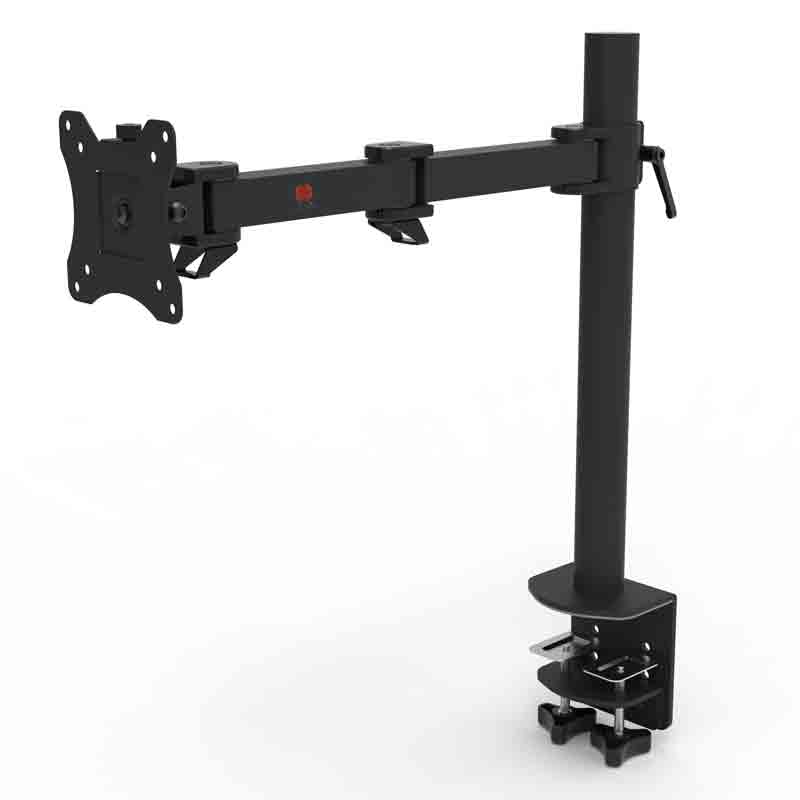
The "Other Desk Organizers" category encompasses non-standard, multi-functional, and highly specialized workspace accessories that fall outside traditional pen cups or file trays. This includes modular pegboard systems, magnetic cable management blocks, under-desk mounting brackets, and tech-integrated organizers featuring wireless charging or USB hubs.
For volume buyers, the primary sourcing challenge here is assembly complexity. Unlike a single-piece injection-molded tray, these organizers frequently require factories capable of handling mixed-material bills of materials (BOMs), precise dimensional tolerances, and occasionally, electronic components.
Material Selection and Manufacturing Tolerances
When developing or sourcing non-standard organizers, the interaction between different materials dictates both the perceived quality and the manufacturing yield rate. A factory accustomed to basic plastic injection may struggle with the bonding requirements of silicone-to-aluminum or the finish consistency of PU leather over MDF.
| Material Pairing | Primary Manufacturing Process | Key Specification Challenge |
|---|---|---|
| Aluminum + Silicone | CNC Machining / Compression Molding | Anodization color matching; silicone shrinkage rates |
| Bamboo + ABS | CNC Routing / Injection Molding | Managing moisture content (under 12%) to prevent warping against rigid ABS |
| PU Leather + MDF | Die Cutting / Hand Wrapping | Adhesive off-gassing and edge-wrap tension consistency |
If your product involves electronics—such as a desk pad with an integrated Qi charger—you are no longer just sourcing stationery; you are sourcing consumer electronics. This requires rigorous compliance testing to ensure CE, FCC, or RoHS standards are met before the goods leave the factory floor.
Navigating mixed-material bills of materials? Merhein handles the engineering reviews and factory matching for complex organizers.
Talk to our teamQuality Control for Complex Organizers
Because these products often feature moving parts, modular connections, or dual materials, standard AQL (Acceptable Quality Limit) inspections must be adapted. A visual check is insufficient; functional testing on the line is mandatory.
Critical QC Checkpoints for Non-Standard Organizers
- Magnetic Polarity & Strength: Verify Gauss ratings for magnetic modular components to ensure they snap together without repelling.
- Dimensional Fit: Test modular pegs, slots, and sliding drawers with go/no-go gauges to ensure smooth operation without binding.
- Surface Adhesion: Perform cross-cut tape tests on painted, coated, or glued surfaces (e.g., PU leather on ABS) to check for delamination.
- Electronic Load Testing: For tech-integrated organizers, verify input/output voltage and thermal throttling under sustained load.
Implementing robust quality control protocols early in the production run prevents costly rework. Catching a tolerance issue during the first article inspection (FAI) is critical when dealing with multi-part assemblies.
Factory Vetting for Multi-Disciplinary Production
A common pitfall is partnering with a supplier based on a single capability. A factory might have excellent plastic injection machinery but outsource the woodworking or electronic PCB assembly to unverified sub-tier suppliers. This fragmentation introduces severe quality risks and delays.
When sourcing these items, comprehensive factory audits are essential. You must verify whether the supplier performs final assembly and QA in-house, or if they are simply acting as a trading company cobbling together parts from three different workshops. For brands developing proprietary designs, working with a partner experienced in OEM/ODM services ensures your IP is protected and the engineering hand-off is seamless.
Typical Pricing, MOQs, and Lead Times
Customization level is the primary driver of Minimum Order Quantities (MOQs) and lead times in this category. Off-the-shelf designs with custom branding require significantly less investment than fully bespoke modular systems requiring new steel tooling.
Tooling Costs for Modular Systems
If your design features multiple interlocking plastic components, remember that each unique part requires its own mold cavity. A 5-piece modular organizer may require $5,000 to $15,000 in upfront tooling costs depending on mold steel quality and cavity count.
Need accurate pricing and lead times for your custom organizer design? Let our sourcing engineers review your CAD files.
Get a free consultationFrequently Asked Questions
Successfully sourcing non-standard desk organizers requires treating the procurement process more like consumer product manufacturing than simple stationery buying. By prioritizing suppliers with strong cross-material assembly capabilities and enforcing strict functional QC, buyers can deliver highly differentiated workspace solutions to the market.
Get Sourcing Help for Other Desk Organizers
Tell us your requirements and our experts will connect you with verified manufacturers.