Other Cooling Systems
Source other cooling systems and specialized thermal management components from vetted suppliers and manufacturers. Designed for automotive parts importers, wholesale distributors, and OEM brands, this catalog connects you with production partners capable of delivering high-volume, reliable vehicle cooling solutions.
When sourcing auxiliary, specialized, or custom vehicle cooling components, the primary challenge is ensuring that miscellaneous parts—such as expansion tanks, specialized coolant lines, auxiliary pumps, and thermal management valves—meet strict automotive standards for temperature resistance and pressure thresholds. Because this category encompasses a wide array of specialized parts, buyers must rigorously define material specifications and validation testing protocols to prevent catastrophic failures under the hood.
Material Selection for Thermal Management
The operating environment for automotive cooling systems is harsh, characterized by extreme thermal cycling, continuous vibration, and exposure to aggressive ethylene glycol mixtures. Specifying the correct base materials and reinforcing agents is non-negotiable.
| Material Category | Common Applications | Critical Specifications |
|---|---|---|
| Glass-Filled Nylon (PA66-GF30) | Expansion tanks, thermostat housings, quick-connects | Resistant to glycol up to 130°C; requires strict moisture control during molding |
| EPDM Rubber | Auxiliary coolant hoses, custom molded pipes | Excellent ozone and heat resistance; sulfur or peroxide cured depending on temp requirements |
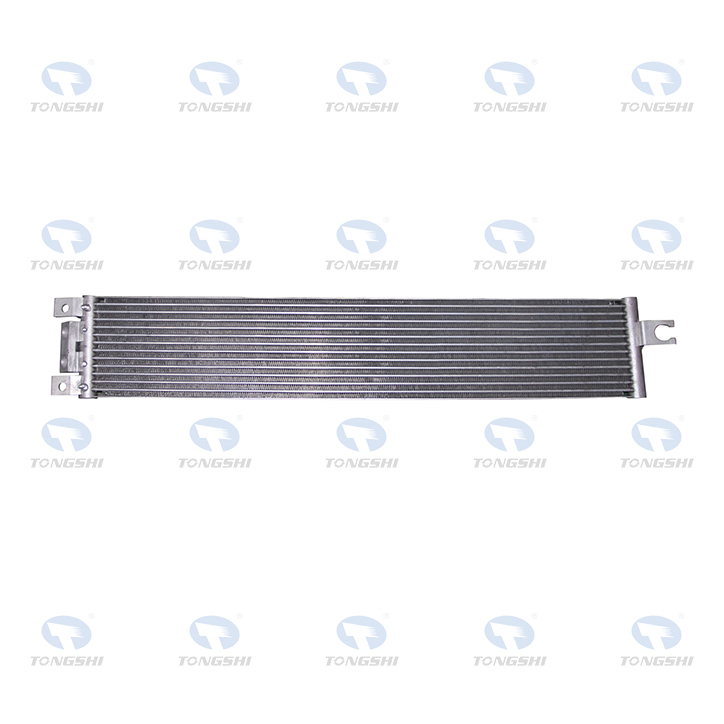
| Aluminum Alloys (3003/6061) | Auxiliary coolers, EV battery chiller plates, hard lines | High thermal conductivity; requires controlled atmosphere brazing (CAB) for complex geometries |
When working with overseas manufacturers, verify their raw material supply chain. Substitution of lower-grade nylon or high-filler-content rubber is a common cost-down tactic that severely impacts long-term durability.
Need help verifying factory material grades and tooling capabilities? Our engineering team can evaluate your specifications.
Discuss your material specsManufacturing Tolerances and Quality Validation
Producing reliable cooling components requires precision manufacturing, whether it is injection molding for plastics, extrusion for hoses, or CNC machining and brazing for metal components. The primary mode of failure for any cooling system part is leakage, making post-production validation critical.
When setting up your production run, ensure your factory implements the following testing protocols:
Essential Factory Testing Protocols
- Pressure Decay Testing: Automated in-line testing to detect micro-leaks in welded or brazed assemblies.
- Helium Leak Testing: Required for high-pressure EV thermal management components where water testing is insufficient.
- Thermal Cycling: Subjecting sample batches to alternating temperature extremes (-40°C to 125°C) to test material expansion fatigue.
- Burst Pressure Validation: Destructive testing to ensure the component exceeds the vehicle's maximum operating system pressure by at least a 2x safety factor.
If you are developing custom components, leveraging OEM/ODM Services requires close oversight of the tooling phase. Poorly designed injection molds for PA66-GF30 parts often result in weak weld lines, which become the exact point of failure under pressure. Implementing robust Quality Control & Inspection during the first off-tool samples is the best way to catch these structural defects before mass production begins.
Tooling, MOQs, and Pricing Dynamics
Pricing in this category is heavily dependent on the manufacturing process and whether you are buying off-the-shelf aftermarket replacements or commissioning custom OEM designs.
Cost Drivers
- Tooling Investment: Custom injection molds for complex plastic tanks or metal die-casting tools can range from $3,000 to over $15,000 depending on the number of cavities and the steel grade used (e.g., P20 vs. H13).
- Assembly Complexity: Components requiring ultrasonic welding, metal insert molding, or multi-stage brazing will carry higher unit costs due to increased labor and higher defect rates during initial setup.
- Packaging Requirements: Automotive parts often require specialized dunnage or protective packaging to prevent damage to delicate mating surfaces or hose barbs during transit.
Looking to consolidate your automotive parts supply chain or negotiate better tooling terms? Talk to our procurement specialists.
Get a sourcing assessmentFrequently Asked Questions
Sourcing specialized vehicle cooling systems demands strict attention to material science, tooling precision, and rigorous leak testing. By clearly defining your validation protocols and partnering with manufacturers who understand automotive-grade tolerances, you can secure reliable, high-performance thermal management components at scale.
Get Sourcing Help for Other Cooling Systems
Tell us your requirements and our experts will connect you with verified manufacturers.