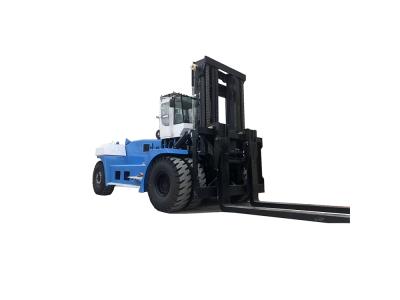
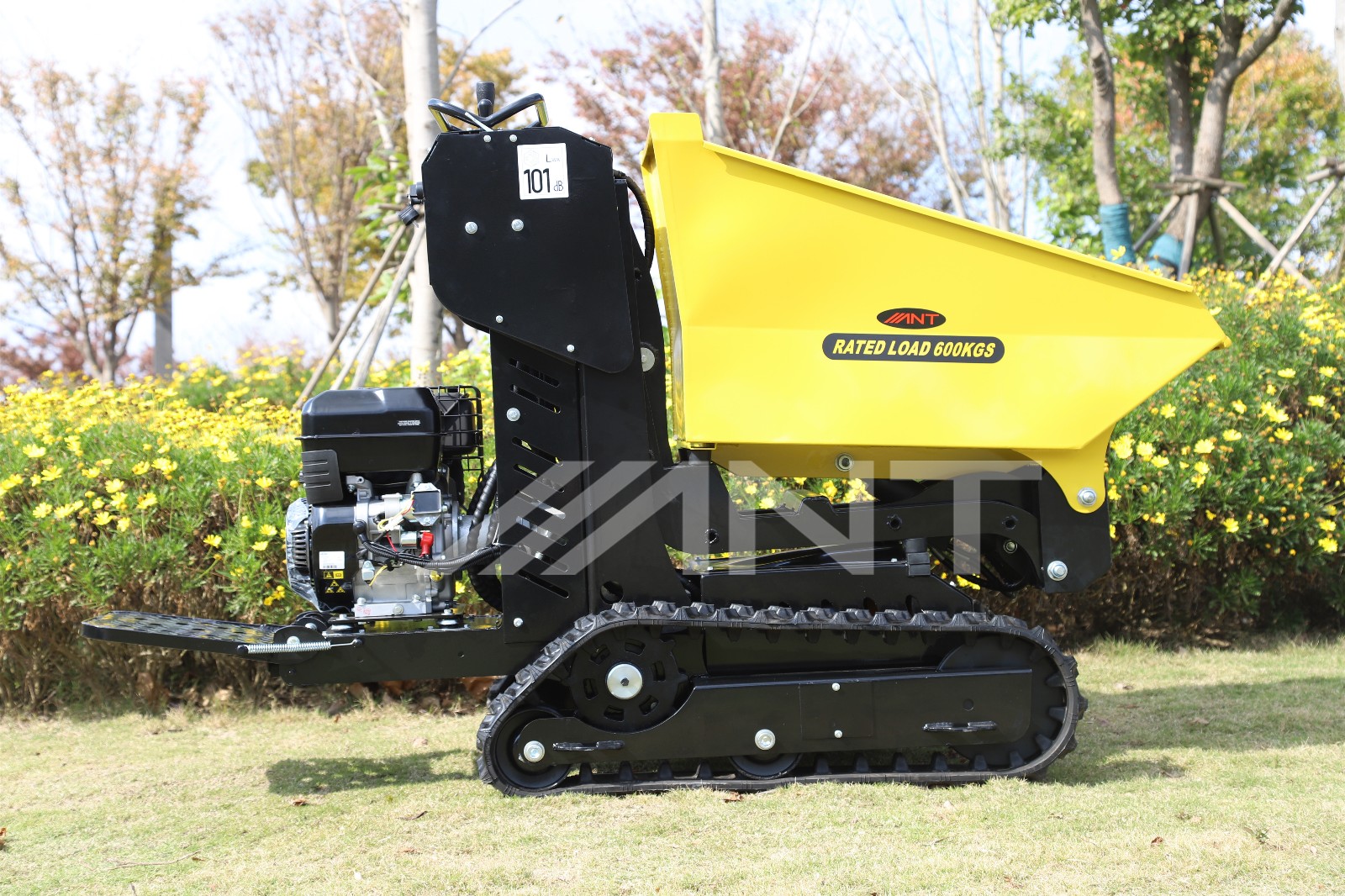
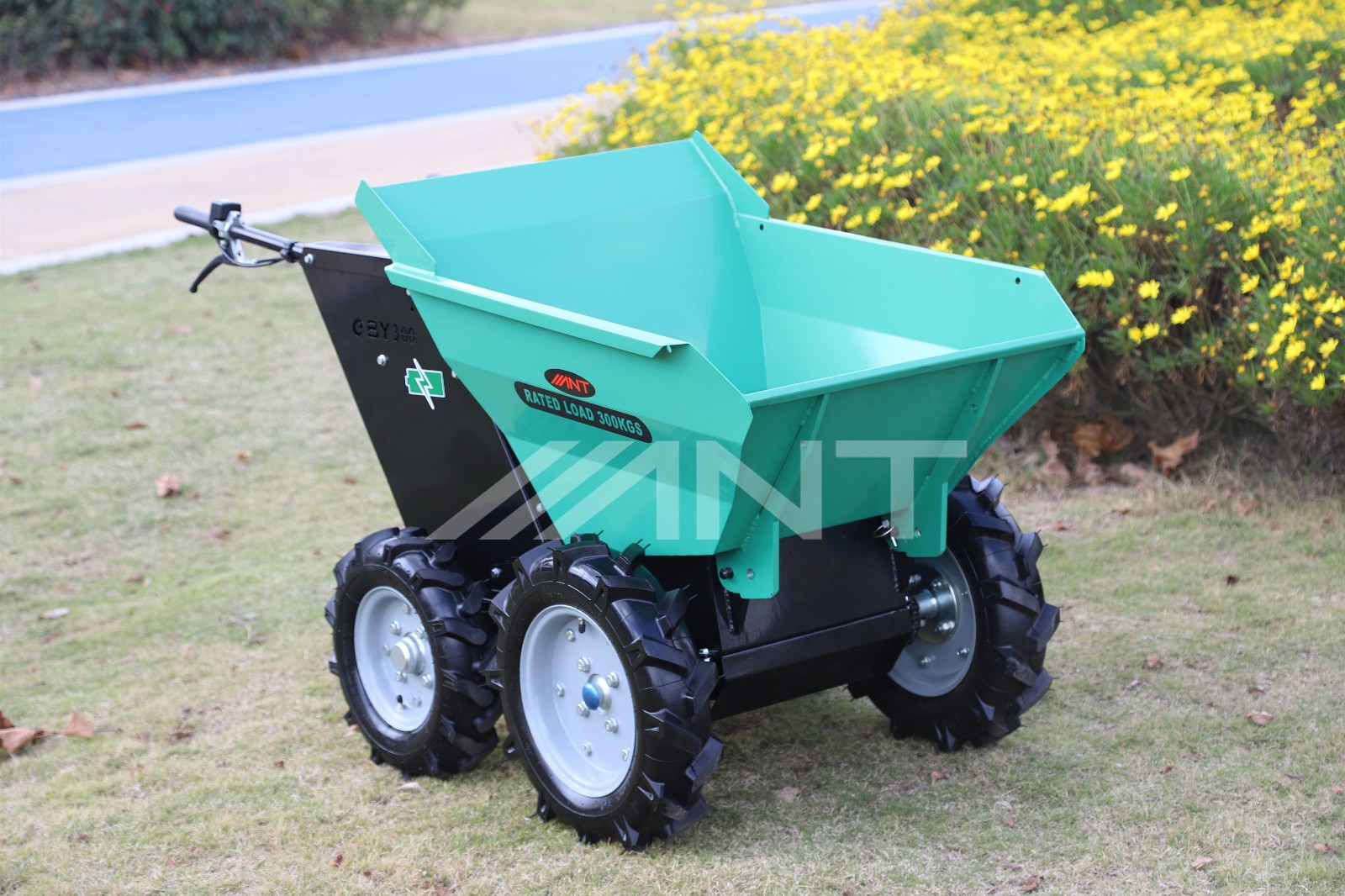
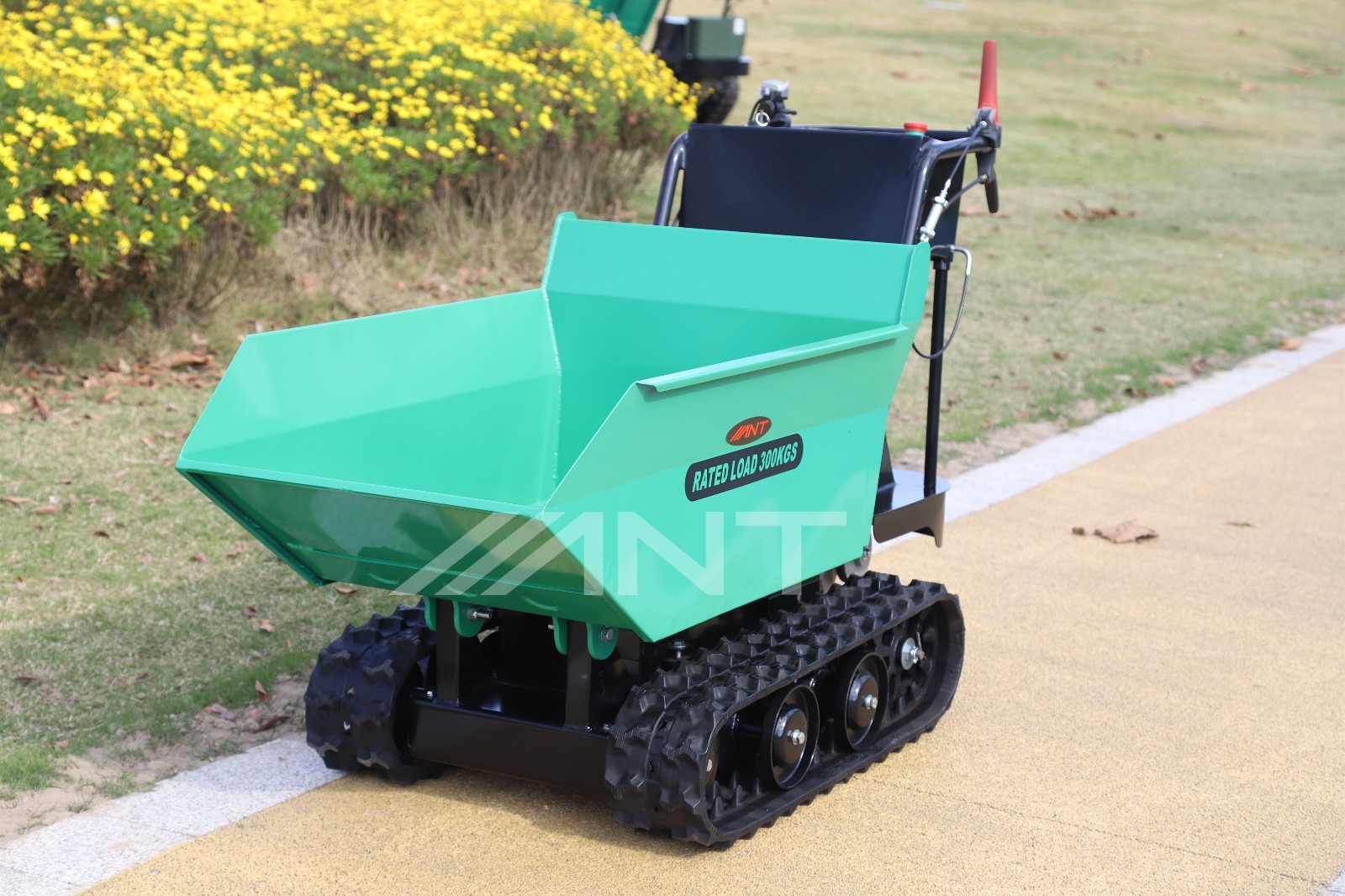
Other Construction Vehicles
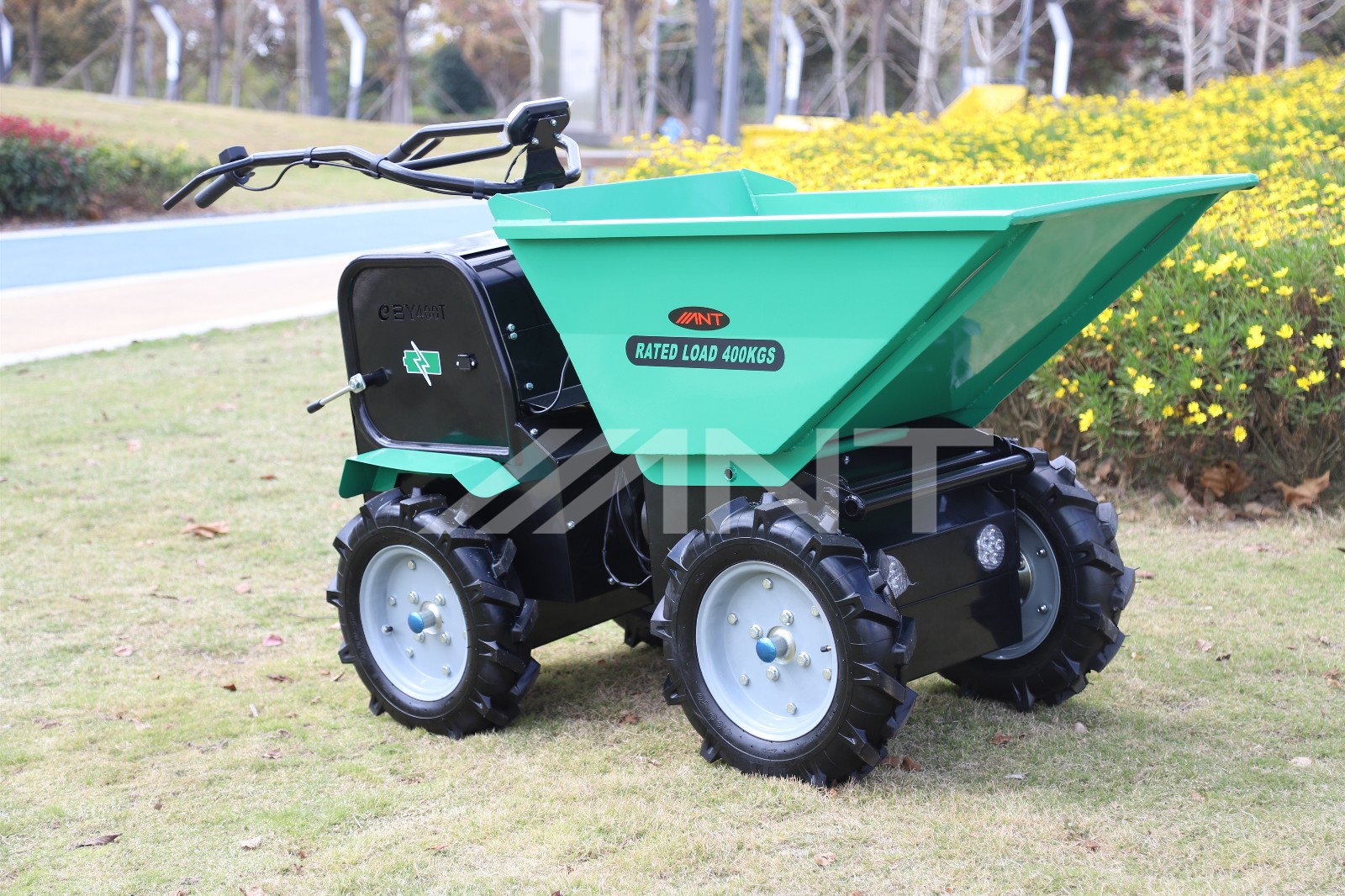
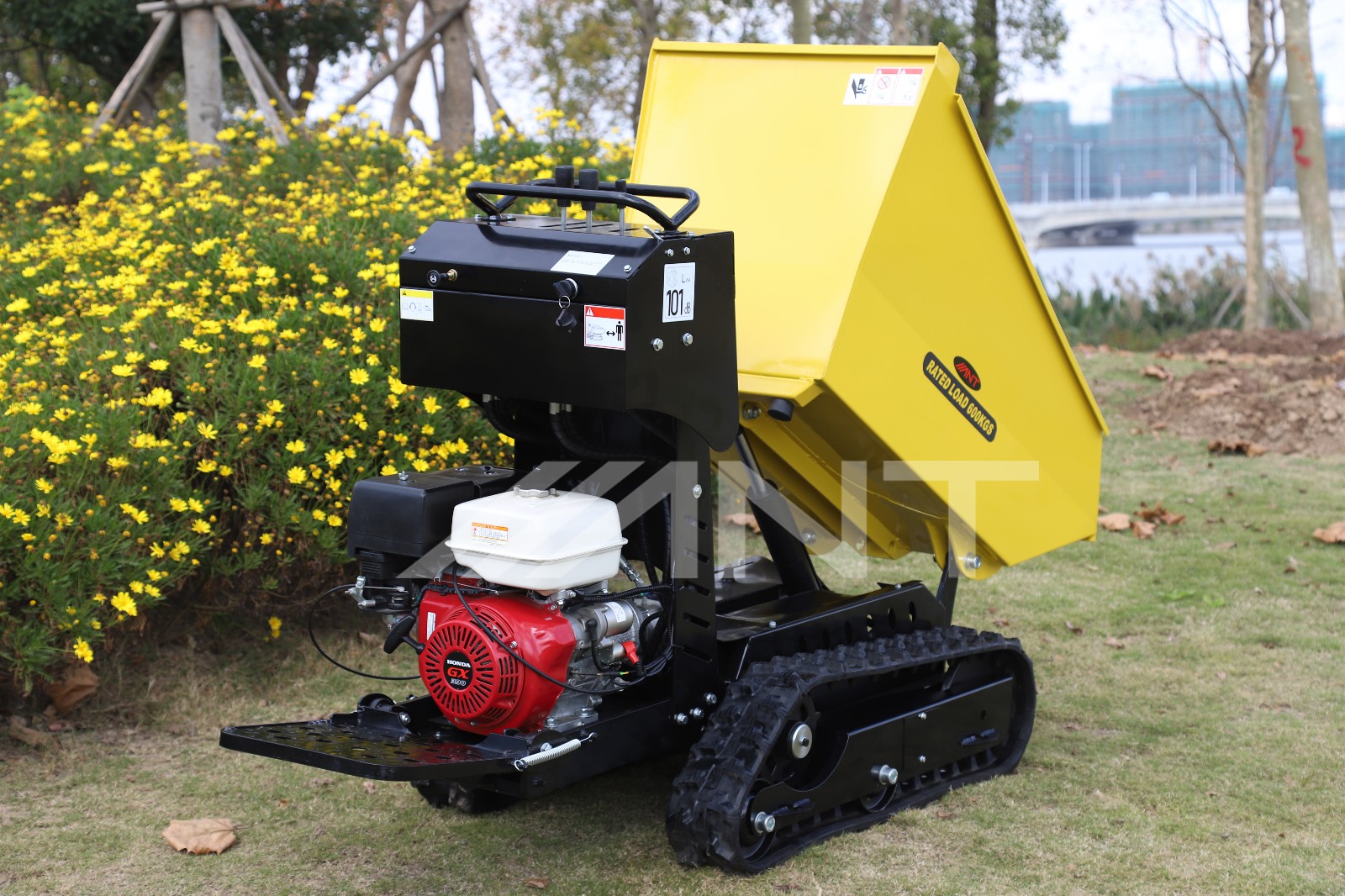
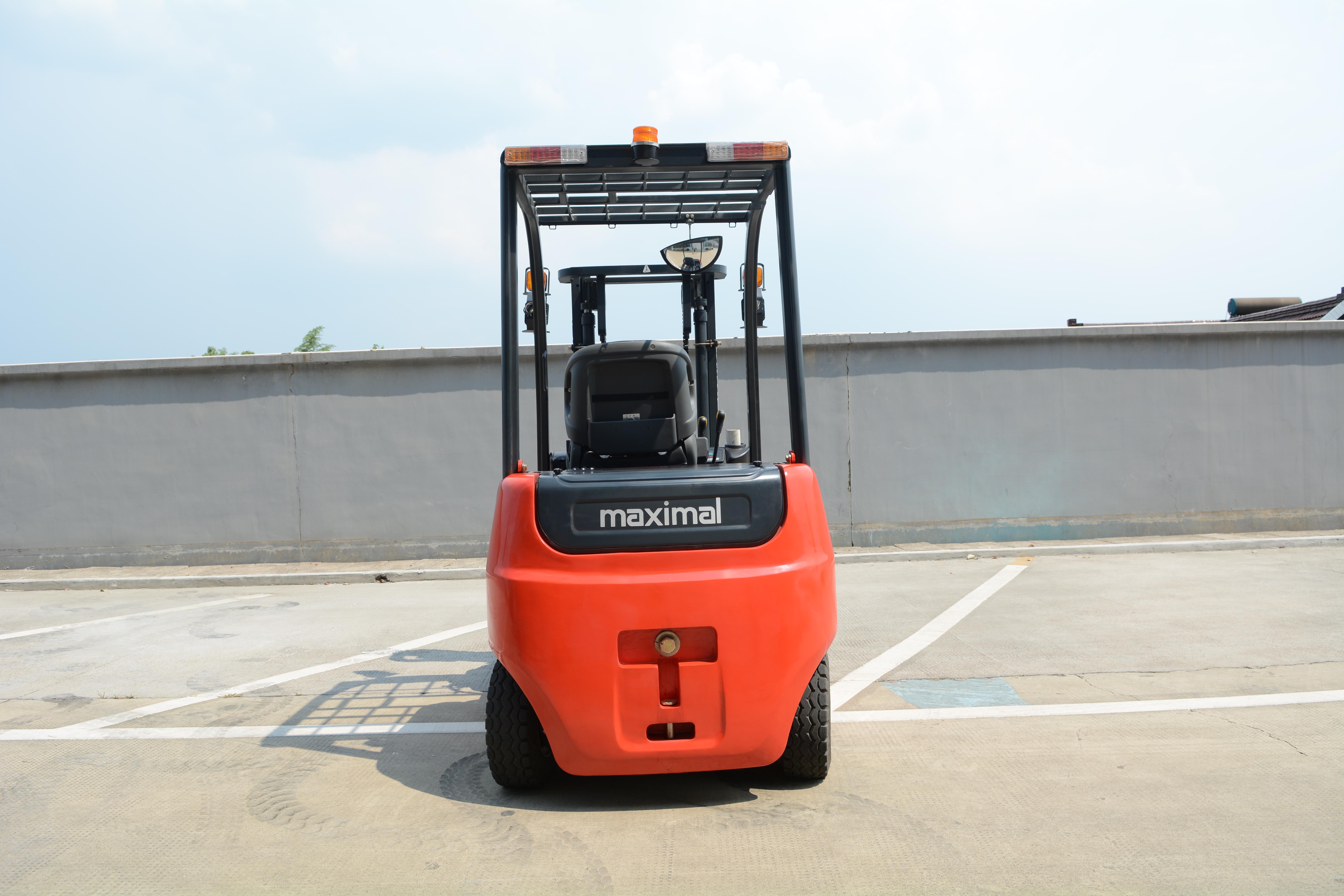
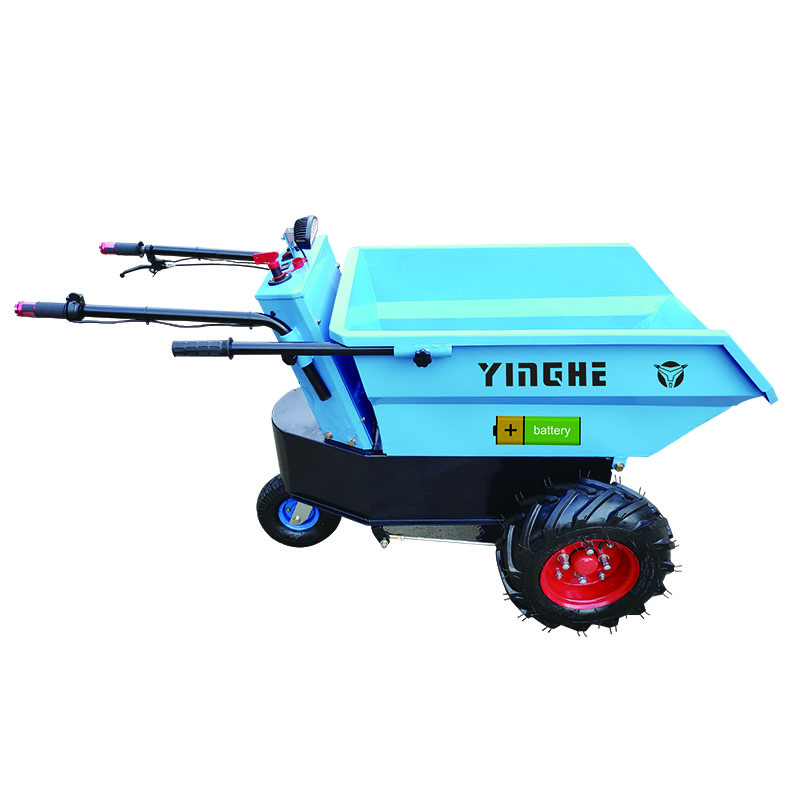
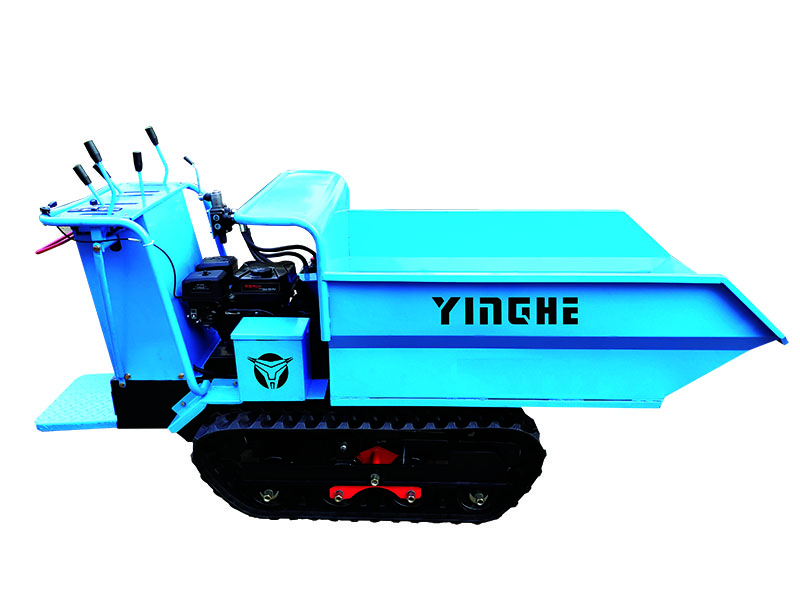
Source specialized and other construction vehicles directly from vetted manufacturers and suppliers in China. Designed for heavy equipment importers, machinery distributors, and brands seeking reliable OEM production in bulk. Secure competitive wholesale pricing and strict quality assurance.
Sourcing non-standard or specialized construction vehicles requires navigating a highly fragmented supplier base. Because these units often serve niche applications—from specialized site dumpers to custom utility carriers and amphibious rigs—off-the-shelf specifications rarely align perfectly with regional safety and emission standards. Success depends on identifying factories with genuine heavy-machinery engineering capabilities, rather than assemblers patching together generic components.
Core Specifications and Engineering Standards
When procuring specialized machinery, the difference between a unit built for the domestic Asian market and one ready for Western import is substantial. Buyers must dictate exact specifications for the powertrain, hydraulics, and structural safety.
Emissions and Powertrain
The most common import barrier for heavy equipment is engine compliance. An off-the-shelf vehicle will likely feature a Tier 2 or Tier 3 equivalent engine. For North American and European markets, you must specify EPA Tier 4 Final or EU Stage V engines (e.g., Cummins, Kubota, or Yanmar). Ensure the supplier can provide the actual engine compliance certificates, not just a general factory CE mark.
Hydraulic Systems
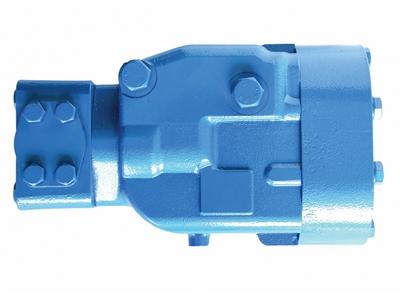
For utility and specialized construction vehicles, hydraulic reliability dictates the machine's lifespan. Specify recognized brands for the main pump, main valve, and travel motors (such as Danfoss, Rexroth, or Kawasaki). Domestic-grade hydraulic components often suffer from premature seal degradation and pressure loss under continuous heavy loads.
| Component | Domestic Market Build | Export Grade (US/EU) |
|---|---|---|
| Engine Emissions | Tier 2 / Tier 3 equivalent | EPA Tier 4 Final / EU Stage V |
| Hydraulics | Local unbranded pumps | Name-brand (Danfoss, Rexroth) |
| Operator Cabin | Basic canopy, untested | ROPS/FOPS certified cab |
| Hose Routing | Exposed, minimal shielding | Steel-braided, abrasion sleeved |
Navigating specialized machinery suppliers is complex. Let us help you identify and vet the right engineering partner for your fleet.
Talk to our teamStructural Integrity and Factory Capabilities
Specialized vehicles often require custom chassis configurations. Assessing a factory's capability means looking beyond their assembly line to their fabrication shop. High-quality manufacturers use robotic welding for main chassis components and conduct ultrasonic testing (UT) on critical stress points.
Before committing to a high-value order, executing Factory Audits is critical. You need to verify that the supplier actually machines and welds their own frames, rather than buying pre-fab chassis from light-duty agricultural suppliers and simply bolting on construction-grade attachments.
Pre-Shipment Quality Control
Heavy machinery defects are incredibly costly to rectify post-import. A rigorous Quality Control & Inspection protocol must be executed at the factory before the balance is paid.
Critical Inspection Points for Specialized Vehicles
- Hydraulic system pressure retention and load-testing to maximum capacity
- ROPS/FOPS structural certification plate verification
- Engine emission plate and EPA/CE documentation match
- Chassis weld penetration (UT testing on critical joints)
- Electrical harness routing and weatherproof connector verification
If your market requires specific regulatory approvals, coordinating proper Compliance & Testing for safety structures and noise emissions is a mandatory step before the units leave the factory floor.
MOQ, Pricing, and Lead Time Realities
Because specialized construction vehicles are high-ticket items, minimum order quantities (MOQs) are generally flexible, though shipping economics play a major role in your purchasing strategy.
Pricing is highly volatile based on your engine and hydraulic choices. Upgrading from a domestic engine to an EPA Tier 4 Final engine can increase the unit cost by 20 percent to 40 percent. Furthermore, specialized vehicles often have unique dimensions that don't fit standard shipping containers. You will need to factor in Flat Rack or RoRo (Roll-on/Roll-off) Shipping & Freight costs, which fluctuate heavily based on port routes and seasonal demand.
Need accurate pricing and lead times for your specific machinery requirements? Our sourcing engineers can provide a detailed breakdown.
Get a free consultationFrequently Asked Questions
When sourcing specialized construction vehicles, the upfront unit cost is only one part of the equation. Prioritizing export-grade components, verifying structural integrity, and ensuring strict regulatory compliance protects your fleet from costly downtime and import seizures. Working with a dedicated sourcing partner ensures your specifications translate accurately to the factory floor.
Get Sourcing Help for Other Construction Vehicles
Tell us your requirements and our experts will connect you with verified manufacturers.