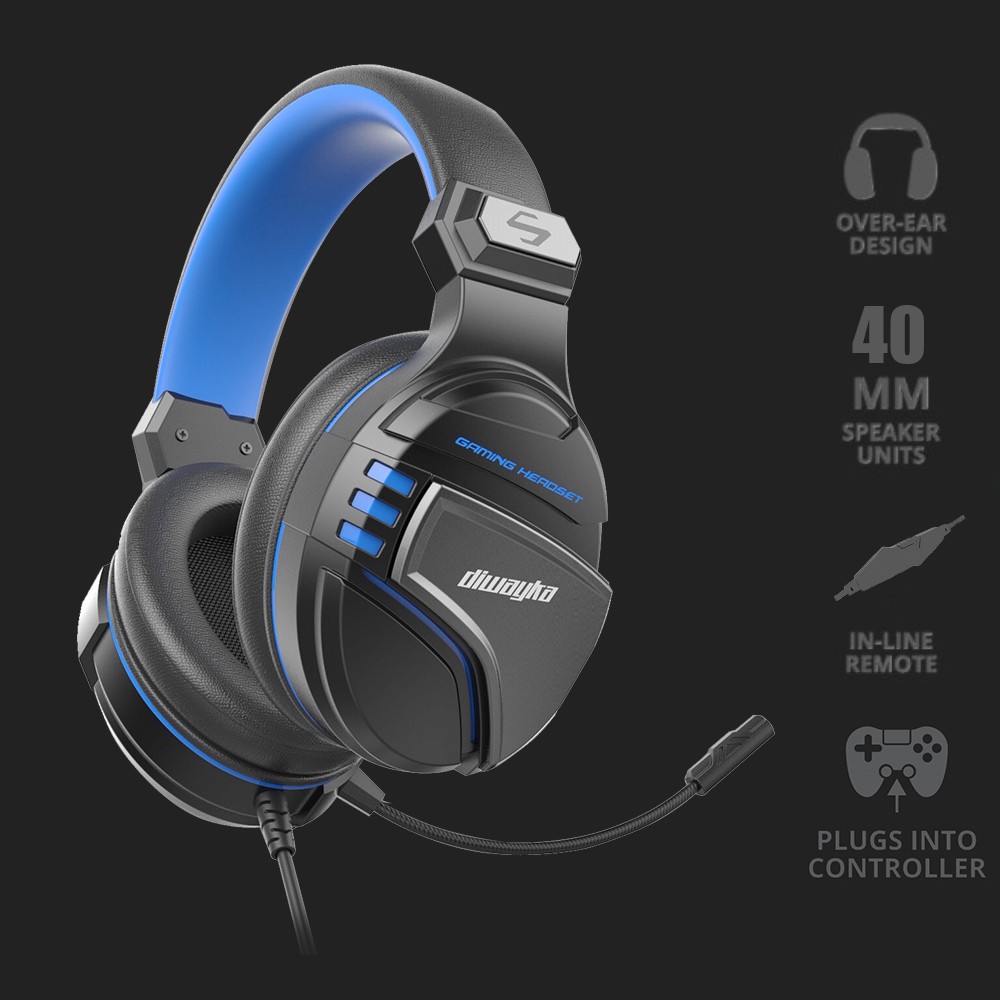
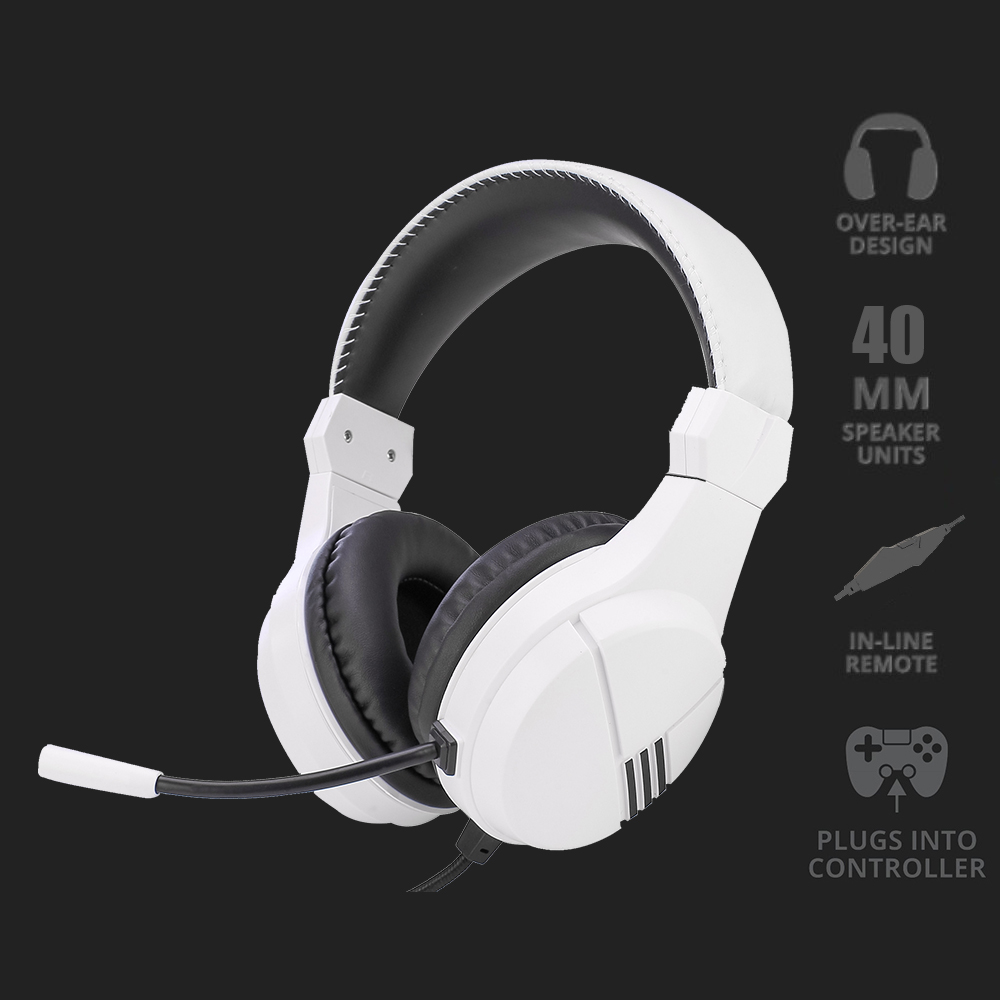
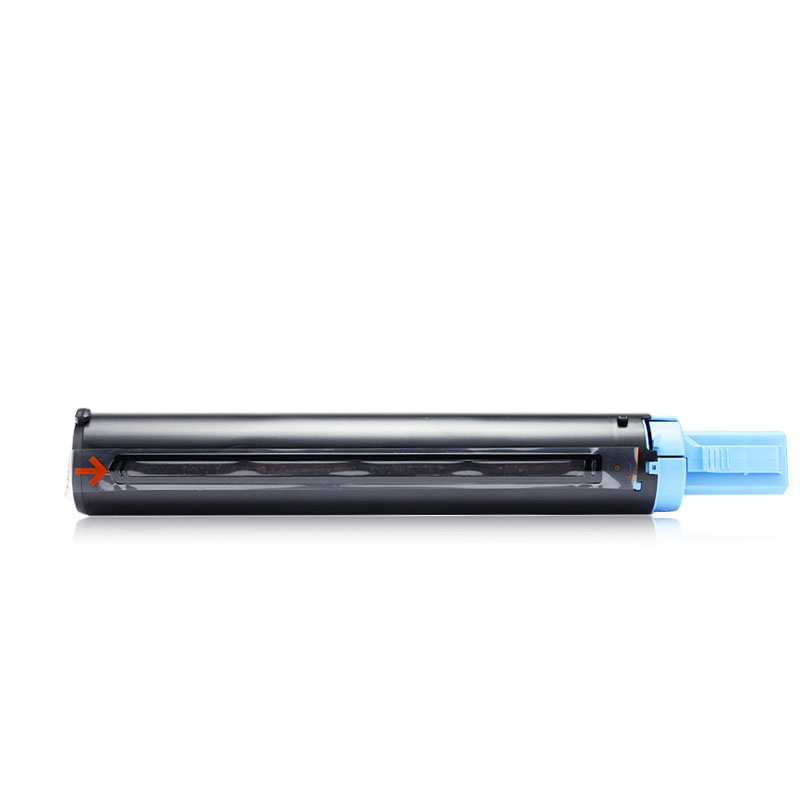
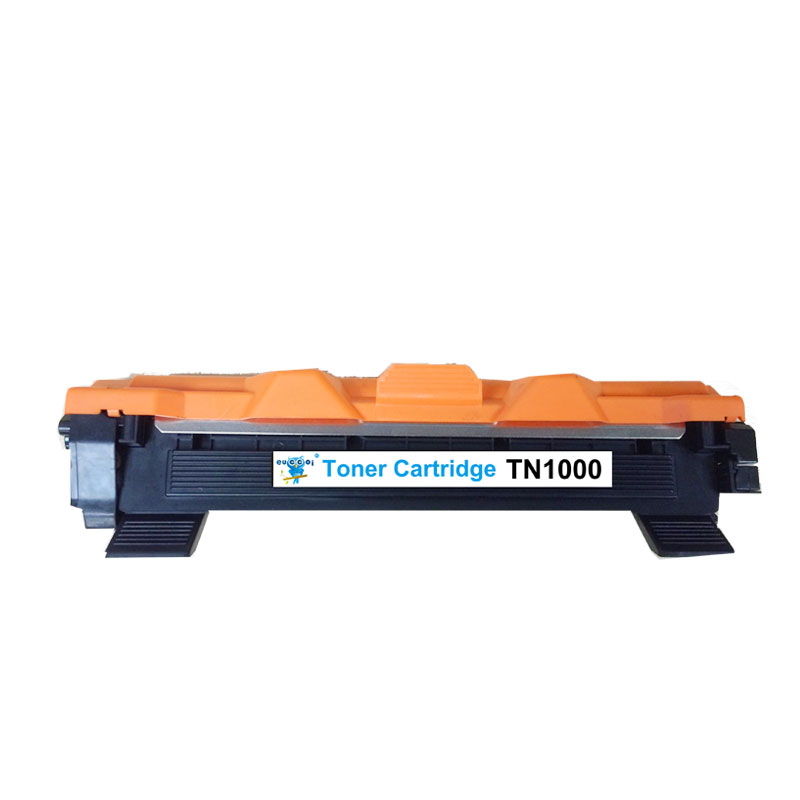
Other Computer Peripherals
Source wholesale Other Computer Peripherals from vetted suppliers and manufacturers across Asia. Designed for electronics importers, distributors, and tech brands seeking reliable OEM and private-label production. Secure competitive bulk pricing, strict quality control, and certified compliance for specialized peripheral devices.
When sourcing specialized or emerging computer peripherals that fall outside standard desktop categories, the primary challenge is supplier fragmentation. Because these devices often serve niche utility—ranging from specialized input controllers to custom connectivity hubs—standardized manufacturing protocols are less common. Managing the transition from a prototype to reliable mass production requires strict oversight of PCB assembly, housing tooling, and firmware stability.
Core Specifications for Specialized Peripherals
Evaluating a factory's capability starts with their approach to core components. Unlike standardized high-volume electronics, specialized peripherals often require custom PCBA layouts and specific housing tolerances.
- Housing Materials: Standard devices use injection-molded ABS, but premium or high-durability peripherals typically require Polycarbonate (PC) blends or CNC-machined aluminum alloy enclosures. Ensure the factory specifies the exact resin grade, as recycled plastics can lead to brittle housings and poor finish adhesion.
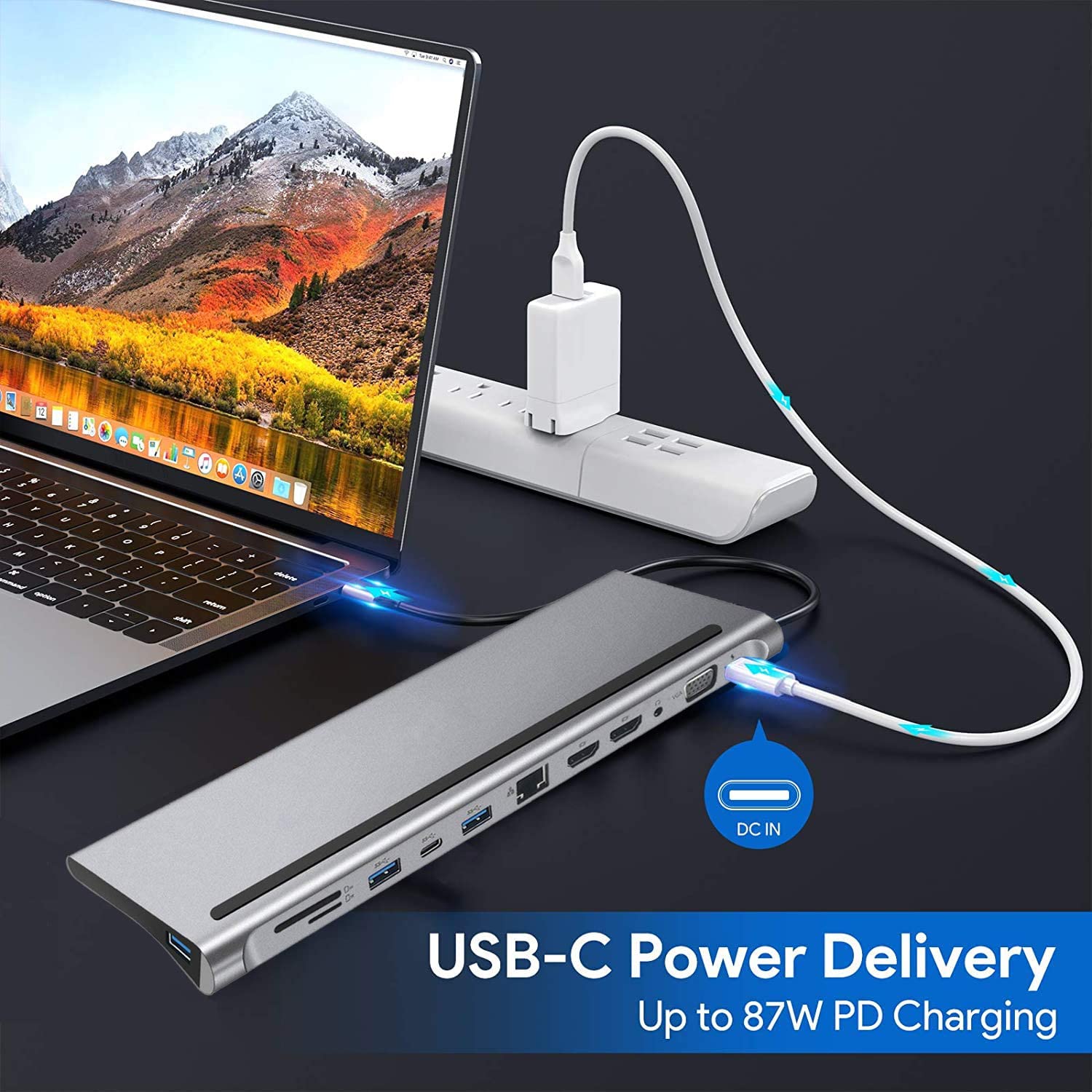
- Connectivity Protocols: For wireless devices, specify the exact chipset (e.g., Nordic, Broadcom, or Realtek) for Bluetooth 5.x or 2.4GHz RF. The choice of chipset dictates latency, power consumption, and the complexity of firmware integration. For wired peripherals, mandate USB-IF compliant Type-C connectors to ensure data transfer stability and power delivery safety.
- Switch and Sensor Lifespan: If the peripheral includes mechanical inputs, specify the actuation lifecycle (e.g., rated for 10 million clicks). Factories often substitute unbranded microswitches to cut costs, which directly impacts the end-user experience.
Firmware Stability
For peripherals requiring custom drivers or companion software, verify the factory's in-house software engineering capability. Many smaller assemblers outsource firmware development, leading to communication bottlenecks and delayed bug fixes during production.
Quality Control and Compliance Standards
Because computer peripherals interact directly with host systems, they are subject to strict regulatory standards. A lapse in compliance can result in customs seizures or marketplace delisting.
Implementing rigorous Quality Control & Inspection protocols is non-negotiable. This includes in-line testing of PCB continuity and pre-shipment verification of assembly tolerances.
Critical Inspection Points for Peripherals
- Firmware version verification and flash integrity checks
- Port stress testing (insertion/extraction lifecycle)
- RF signal strength and latency testing in shielded chambers
- Drop testing and housing seam tolerance checks
- RoHS compliance verification for solder and component materials
If your target market is North America or Europe, the factory must provide valid test reports for FCC Part 15 or CE (EMC/RED directives). Navigating these requirements often requires dedicated Compliance & Testing to ensure the specific iteration of your product meets local laws.
Struggling to standardize quality across multiple niche peripheral suppliers? Let our engineers audit your supply chain and implement rigorous inspection protocols.
Talk to our teamOEM/ODM Customization and Tooling
Most buyers sourcing specialized peripherals operate on an OEM or ODM basis, either modifying an existing "white-label" product or developing a custom solution from scratch.
When utilizing OEM/ODM Services, clarify tooling ownership early. If you are paying for custom injection molds, the contract must explicitly state that the molds belong to your company and cannot be used for other clients. Modifying an existing factory mold (ODM) is faster and cheaper, but limits your ability to alter the internal PCB layout or external dimensions.
Sourcing Hubs and Supplier Vetting
The global hub for computer peripheral manufacturing is concentrated in China's Guangdong province, specifically Shenzhen and Dongguan. This region offers an unmatched ecosystem of component suppliers, tooling workshops, and assembly plants.
However, the barrier to entry for assembling basic electronics is low, meaning the market is flooded with trading companies posing as manufacturers. Conducting thorough Factory Audits is essential to verify the supplier's actual production capacity, SMT (Surface Mount Technology) line ownership, and ISO 9001 quality management systems.
MOQs, Lead Times, and Pricing Dynamics
Pricing for computer peripherals is highly sensitive to the cost of raw materials (copper, aluminum, resins) and electronic components (chipsets, memory).
MOQs for off-the-shelf ODM designs can sometimes be negotiated down to 500 pieces, though this usually incurs a premium per unit and limits packaging customization to basic sleeves or stickers. For fully custom OEM projects requiring new tooling, factories will strictly enforce higher MOQs to justify the engineering setup.
Ready to scale your peripheral production? We negotiate fair tooling costs, enforce strict MOQs, and manage the entire production schedule on your behalf.
Get a free consultationFrequently Asked Questions
Successfully sourcing specialized computer peripherals requires moving beyond basic price negotiation. The most profitable importers focus on securing robust firmware stability, enforcing strict component specifications, and maintaining continuous oversight on the assembly line. By professionalizing your quality control and supplier vetting processes, you can eliminate the costly defect rates that typically plague niche electronics sourcing.
Get Sourcing Help for Other Computer Peripherals
Tell us your requirements and our experts will connect you with verified manufacturers.