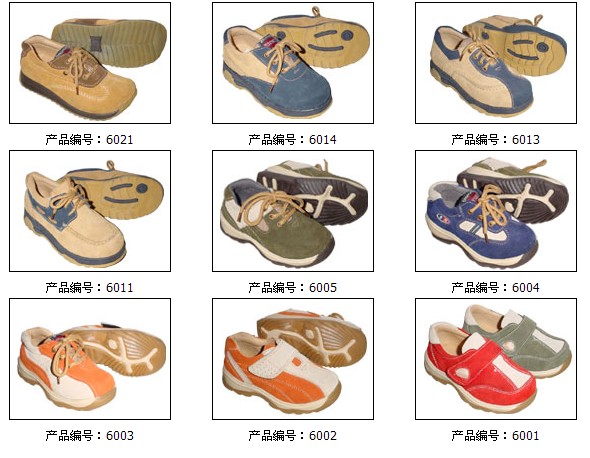
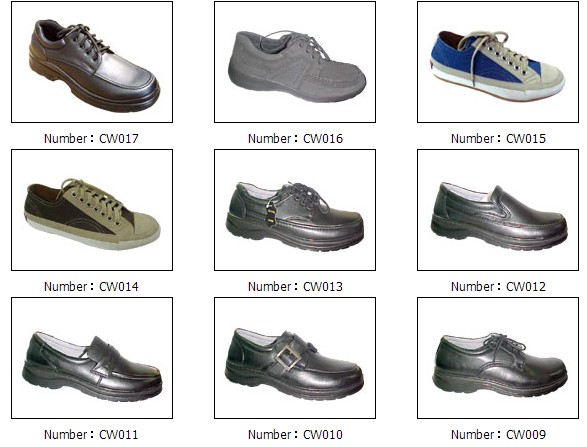
Other Casual Shoes
Source Other Casual Shoes from vetted manufacturers and wholesale suppliers across Asia. Built for importers, distributors, and footwear brands seeking private-label or OEM production, our network delivers reliable bulk manufacturing, consistent quality, and competitive pricing for specialized casual footwear lines.
Sourcing specialty and hybrid casual footwear requires navigating highly fragmented material supply chains and complex assembly processes. Because this category encompasses everything from woven slip-ons to driving shoes and athleisure hybrids, the bill of materials (BOM) can vary drastically from one SKU to the next. Success depends on aligning with a factory that possesses the specific lasting equipment, sole-bonding expertise, and material sourcing networks required for your exact design.
Core Manufacturing & Assembly Methods
The structural integrity of any casual shoe relies heavily on the outsole attachment method. Factories generally specialize in one or two of these techniques, making supplier selection critical to your product's durability and price point.
| Construction Method | Durability & Flex | Tooling Investment | Typical Application |
|---|---|---|---|
| Cold Cemented | Moderate to High | Low (Open molds common) | PU/Leather lifestyle shoes |
| Vulcanized | High (Excellent bond) | Moderate | Canvas or rubber-hybrid shoes |
| Direct Injection (PU/PVC) | Maximum (Seamless bond) | High (Expensive molds) | High-volume athleisure/comfort |
When utilizing OEM/ODM Services for custom designs, cold cementing offers the most flexibility for lower initial volumes, provided the factory uses high-grade adhesives and proper UV/heat curing tunnels.
Managing complex footwear BOMs and multi-material assembly requires constant oversight. Let our footwear sourcing experts secure the right factory for your technical requirements.
Talk to our teamMaterial Specifications & Tolerances
To avoid bait-and-switch tactics on the factory floor, your tech pack must explicitly define material grades, thicknesses, and performance metrics.
- Upper Materials: If specifying PU (Polyurethane) synthetic leather, mandate a thickness of 1.2mm to 1.4mm for optimal tear resistance and structure. For genuine leather, specify the exact grade (e.g., top-grain vs. split leather with PU coating) and acceptable hide defect rates.
- Insoles & Mid-soles: Specify EVA foam by density (e.g., Shore C 40-50 for comfort casuals) and thickness. Compression set resistance is vital to ensure the shoe does not flatten out after minimal wear.
- Outsoles: Specify the exact compound (TPR, EVA, Rubber, or Phylon). TPR is cost-effective but heavier; Phylon offers premium lightweight cushioning but requires more expensive tooling.
For brands building a unique silhouette, engaging in structured Product Development ensures your custom lasts are graded correctly across the entire size run before mass production begins.
Quality Control & Defect Prevention
Footwear production is highly manual. Variances in upper stitching, lasting tension, and adhesive application are common. A robust Quality Control & Inspection protocol is non-negotiable.
Critical Footwear QC Checks
- Bonding Line Inspection: Check for excess glue overflow or micro-gaps between the upper and outsole.
- Heel Counter Stiffness: Ensure the internal heel stiffener is properly centered and maintains shape under pressure.
- Symmetry & Lasting: Verify that the left and right shoes match in toe spring, vamp length, and overall height.
- Colorfastness & Crocking: Test dyed suedes and canvas to ensure color does not bleed onto socks or skin.
- Peel Strength Testing: Conduct destructive testing to ensure sole adhesion meets a minimum of 2.5 kg/cm.
Prior to production, conducting thorough Factory Audits is highly recommended to verify the supplier's environmental compliance (especially regarding adhesives and tannery waste) and their internal quality management systems.
MOQs, Lead Times, and Pricing Realities
Volume requirements in footwear are largely dictated by material minimums (especially custom-dyed fabrics or leathers) and outsole tooling.
Navigating minimums, negotiating tooling costs, and ensuring factory compliance is easier with an experienced partner on the ground.
Get a free consultationFrequently Asked Questions
Scaling a casual footwear line requires precise technical specifications and rigorous oversight on the factory floor. By standardizing your material tolerances and maintaining strict in-line inspections, you can secure reliable production and protect your brand's reputation for quality.
Get Sourcing Help for Other Casual Shoes
Tell us your requirements and our experts will connect you with verified manufacturers.