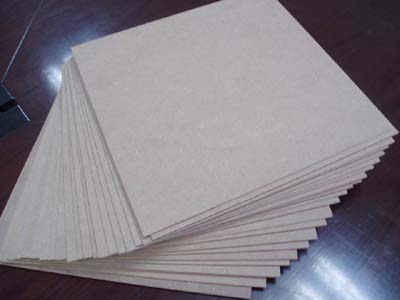
Other Boards
Source wholesale Other Boards directly from vetted manufacturers and suppliers. Designed for importers, distributors, procurement managers, and brands seeking OEM or private-label production, our network provides access to specialty building boards tailored to your exact volume and project specifications.
Sourcing specialty building boards—whether they are magnesium oxide (MgO), calcium silicate, phenolic resin, or specialized acoustic composites—requires precise alignment on material science and manufacturing capabilities. Because the "Other Boards" category encompasses niche materials designed for specific functional roles (such as extreme fire resistance, moisture control, or high-impact durability), relying on vague supplier descriptions or generic spec sheets often leads to site failures, compliance issues, and costly recalls.
To successfully import these specialty boards in bulk, buyers must rigorously define technical parameters and verify that the factory possesses the specialized equipment required to produce them consistently.
Defining Specifications for Specialty Boards
Unlike standard drywall or plywood, specialty boards are engineered for performance. When negotiating with manufacturers, your purchase orders and technical files must specify exact metrics. Failing to define these parameters leaves room for suppliers to substitute cheaper binders or lower-density core materials.
Critical Specifications for Specialty Boards
- Density (kg/m³): Directly impacts the board's structural integrity, weight, and acoustic properties.
- Flexural Strength (MPa): Determines how much bending stress the board can handle before rupturing; crucial for load-bearing or high-traffic applications.
- Moisture Movement (%): The dimensional change when exposed to varying humidity levels. Must be kept to a minimum to prevent buckling.
- Fire Rating Compliance: Specify the exact standard required for your market (e.g., EN 13501-1 Class A1, ASTM E84).
- Chloride Content (for MgO boards): Must be strictly limited to prevent 'sweating' and corrosion of attached metal fasteners.
Navigating the fragmented market of specialty board manufacturers requires technical vetting. Let us help you identify and qualify the right factory for your specific material requirements.
Talk to our teamManufacturing Nuances and Factory Vetting
The quality of specialty building boards is won or lost in the mixing, pressing, and curing stages on the factory floor. For example, cementitious and MgO boards require precise chemical ratios and extended, controlled curing environments. If a factory rushes the curing process to speed up production, the boards will retain internal stresses and inevitably warp or crack after installation.
Similarly, the pressing stage dictates the board's final density and delamination resistance. High-pressure laminates (HPL) or phenolic boards require heavy-duty, multi-daylight presses capable of sustaining immense pressure and heat.
Before committing to a high-volume order, conducting thorough Factory Audits is essential. You must verify that the supplier actually owns the necessary pressing machinery, maintains climate-controlled curing rooms, and implements strict raw material testing, rather than simply acting as a trading company aggregating varying qualities from smaller workshops.
Quality Control & Defect Prevention
Catching defects before the boards are loaded into containers is critical, as returning heavy building materials overseas is economically unviable. Implementing robust Quality Control & Inspection protocols at the factory ensures your specifications are met.
Inspectors should focus on:
- Dimensional Tolerances: Checking thickness, length, width, and squareness. Variations in thickness cause uneven wall or floor finishes.
- Edge Integrity: Ensuring edges are clean, properly profiled (e.g., tapered or square), and free from chipping.
- Surface Finish: Checking for uniform smoothness, absence of cracks, and proper adhesion of any facing materials.
- Destructive Testing: Pulling random samples from the production run to test flexural strength and moisture absorption against the agreed baseline.
Pricing, MOQs, and Lead Times
Because specialty boards are heavy and bulky, sourcing economics are heavily dictated by freight efficiency and production minimums.
Pricing is driven primarily by raw material purity (e.g., high-grade magnesium oxide versus lower-grade substitutes), the quality of the reinforcing mesh, and any specialized surface treatments. While it is tempting to push for the lowest unit cost, aggressive price negotiation on specialty boards often results in the factory thinning the reinforcing layers or shortening the curing time.
Need to balance specialized board specifications with strict budget requirements? We can help you manage the Product Sourcing process to secure competitive pricing without compromising on material integrity.
Get a free consultationFrequently Asked Questions
Sourcing specialty building boards requires a strict adherence to technical specifications and an uncompromising approach to quality control. By thoroughly vetting manufacturing capabilities and maintaining strict oversight during production, buyers can secure high-performance materials that meet demanding project requirements and regulatory standards.
Get Sourcing Help for Other Boards
Tell us your requirements and our experts will connect you with verified manufacturers.