Other Auto Transmission Systems
Source Other Auto Transmission Systems from vetted suppliers and manufacturers across Asia. Designed for automotive importers, wholesale distributors, and brands requiring OEM or private-label production, this category covers specialized transmission components built to exact tolerances for reliable bulk procurement.
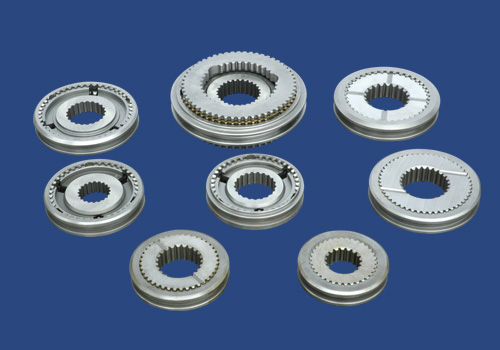
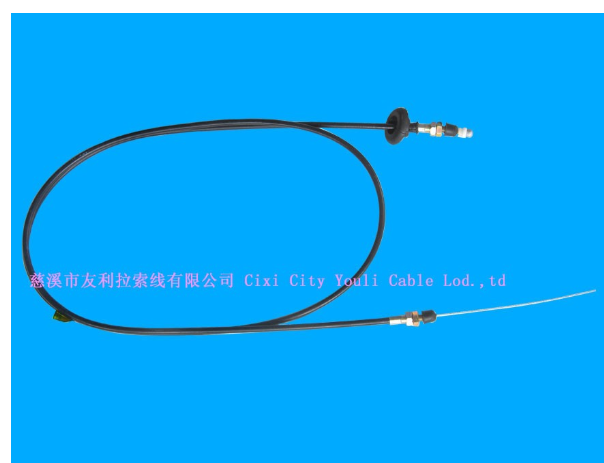
Sourcing auxiliary and specialized transmission components requires navigating a highly fragmented supplier base. Because this category encompasses everything from shift linkages and synchronizer rings to transmission mounts and specialized fluid solenoids, the core procurement challenge remains consistent: maintaining strict dimensional tolerances and material durability across high-volume production runs. A failure in a minor transmission component often leads to catastrophic gearbox failure, making precision manufacturing non-negotiable.
Critical Specifications and Material Selection
When purchasing specialized transmission systems, the material science behind the component dictates its performance under high thermal and mechanical stress. Buyers must specify exact material grades rather than accepting generic terms like "rubber" or "brass."
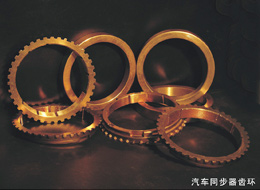
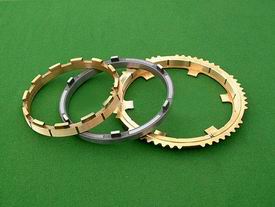
For synchronizer rings, the friction material must match the intended torque load and transmission fluid specifications. For transmission mounts, the elastomeric compound must balance vibration isolation with sheer strength.
| Component Category | Standard Aftermarket Material | Heavy-Duty / OEM Grade |
|---|---|---|
| Synchronizer Rings | Manganese Brass | Carbon-Lined / Molybdenum Coated |
| Transmission Mounts | Natural Rubber (NR) | Polyurethane (PU) / High-Temp EPDM |
| Shift Forks | Cast Iron | Forged Steel / Aluminum Alloy |
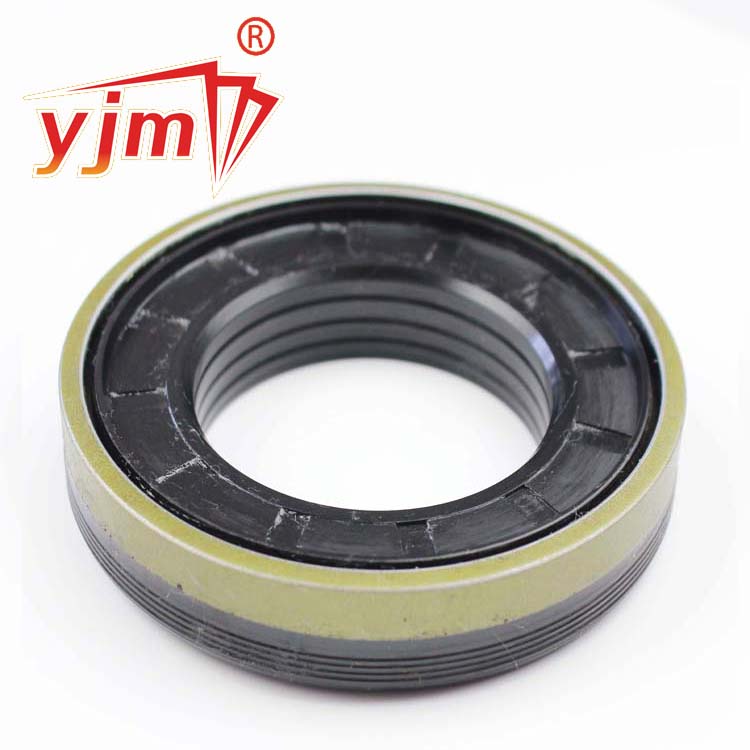
| Specialized Seals | NBR (Nitrile) | FKM (Viton) / PTFE |
Struggling to find suppliers capable of meeting exact metallurgical specifications?
Talk to our teamManufacturing Tolerances and Quality Control
The manufacturing floor is where transmission components succeed or fail. For machined parts like shift linkages or synchronizer hubs, CNC precision is required to achieve tolerances as tight as 5 microns. For bonded components like transmission mounts, the vulcanization process must ensure flawless rubber-to-metal adhesion to prevent delamination under torque.
When vetting a new supplier, it is highly recommended to conduct rigorous Factory Audits to verify their quality management systems. IATF 16949 certification is the baseline for automotive parts, but verifying the factory's actual in-house testing capabilities is equally important.
Critical Factory-Floor QC Verifications
- CMM (Coordinate Measuring Machine) reports for dimensional accuracy on machined parts.
- Peel-strength testing data for rubber-to-metal bonded transmission mounts.
- Salt spray testing (minimum 72 to 96 hours) for anti-corrosion coatings on external linkages.
- Thermal cycling test results for elastomeric seals to prevent premature hardening.
- Hardness testing (Shore A for rubber, Rockwell for metals) on every batch.
Catching defects before they leave the factory is critical. Implementing systematic Quality Control & Inspection protocols, including pre-shipment dynamic load testing, ensures that off-spec parts never enter your supply chain.
Procurement Realities: MOQs, Lead Times, and Tooling
Pricing in this category is heavily dependent on raw material indices (especially for brass, steel, and synthetic rubber) and the complexity of the tooling required. If you are developing proprietary components or bringing a new aftermarket part to market, OEM/ODM Services will involve upfront mold and tooling costs.
Tooling Ownership
Always ensure that your manufacturing agreement explicitly states that you own the molds and tooling after the initial fee is paid. This prevents supplier lock-in and protects your intellectual property.
Need help negotiating tooling costs and production terms with Asian manufacturers?
Get a free consultationFrequently Asked Questions
Successful procurement of specialized transmission systems requires balancing unit cost with zero-defect manufacturing. By focusing on material specifications, verifying factory testing capabilities, and maintaining strict pre-shipment oversight, buyers can secure reliable parts that protect their brand reputation. If you need experienced operational support on the ground, our team is ready to manage the process.
Get Sourcing Help for Other Auto Transmission Systems
Tell us your requirements and our experts will connect you with verified manufacturers.