Other Auto Accessories
Source specialized and miscellaneous Other Auto Accessories from vetted suppliers and manufacturers in China. Designed for importers, wholesalers, distributors, and aftermarket brands seeking reliable bulk purchasing and OEM/private-label production. Secure competitive wholesale pricing and strict quality control for your supply chain.
Sourcing specialized or miscellaneous automotive accessories in volume often means managing a highly fragmented supply base. Whether you are procuring custom interior fittings, proprietary mounting brackets, specialized trim pieces, or aftermarket hardware, the core challenge is maintaining consistent material specifications and precise dimensional tolerances across varying production runs. Relying on a single factory for a diverse catalog requires rigorous vetting of their sub-tier suppliers and in-house manufacturing capabilities.
Material Specifications and Manufacturing Processes
The "other" category in auto accessories covers a broad spectrum of materials, each requiring distinct manufacturing processes. Success in bulk procurement depends on specifying the exact raw material grade and understanding the factory's primary production method.
| Material Type | Common Applications | Key Manufacturing Process | Critical Specs to Define |
|---|---|---|---|
| Engineering Plastics (ABS, PC/ABS) | Interior trim, housings, structural brackets | Injection molding | Melt flow index, UV resistance rating |
| Elastomers (TPU, EPDM) | Seals, custom grommets, anti-vibration pads | Extrusion, compression molding | Shore hardness (Durometer), tensile strength |
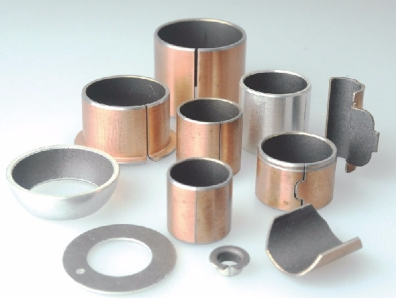
| Metals (Aluminum alloy, 304/316 SS) | Mounting hardware, exterior trim, guards | CNC machining, metal stamping | Alloy grade, surface finish (anodized/plated) thickness |
When dealing with injection-molded components, pay close attention to the factory's tooling capabilities. Multi-cavity molds reduce per-unit costs but require higher upfront investment and precise thermal control during production to prevent warping or sink marks in the final plastic parts.
Struggling to consolidate a complex bill of materials? Let us match your technical requirements with capable, specialized manufacturers.
Talk to our teamQuality Control and Automotive Standards
Even for non-critical accessories, the automotive aftermarket demands high durability. Parts are subjected to extreme temperature fluctuations, UV exposure, and constant vibration. Evaluating a supplier's quality management system is non-negotiable.
While ISO 9001 is a baseline, factories holding IATF 16949 certification demonstrate a much deeper commitment to automotive-grade quality control, including advanced product quality planning (APQP) and failure mode and effects analysis (FMEA). Before committing to a large order, conducting comprehensive Factory Audits ensures the supplier actually possesses the testing equipment they claim to have.
Essential Pre-Shipment QC Checks for Auto Accessories
- Dimensional verification using coordinate measuring machines (CMM) to ensure ±0.1mm tolerances.
- Salt spray testing (minimum 48 to 96 hours) for all plated or coated metal hardware to verify corrosion resistance.
- Thermal cycling tests (from -40°C to 85°C) to check for plastic embrittlement or adhesive failure.
- Color matching under standard light sources (D65) for interior trim components to ensure batch-to-batch consistency.
If your supplier relies heavily on subcontractors for surface finishing (like chrome plating or powder coating), this is where quality often slips. Implementing independent Quality Control & Inspection during the production run (DUPRO) is highly recommended to catch finishing defects before the parts are assembled or packaged.
Customization, Tooling, and OEM Production
Many aftermarket brands differentiate themselves through custom designs. Developing proprietary accessories requires close collaboration with factories that offer robust OEM/ODM Services.
When negotiating tooling agreements for custom plastic or stamped metal parts, clearly define mold ownership, maintenance responsibilities, and guaranteed tool life (e.g., 100,000 shots). Ensure the factory uses high-grade mold steel (like P20 or H13) if you plan on long-term, high-volume production.
Pricing, MOQs, and Lead Times
Pricing for miscellaneous auto accessories is heavily driven by raw material costs, tooling amortization, and surface finishing requirements.
Beware of Unusually Low Tooling Costs
If a factory quotes a tooling fee significantly below market average, they may be using softer aluminum molds (suitable only for short runs) or planning to retain ownership of the mold, locking you into their facility for future production.
To secure the best unit price, buyers must accurately forecast their annual volume. Factories are often willing to amortize tooling costs across the first year's purchase orders if the volume is substantial. If you are managing multiple SKUs across different regional manufacturing hubs (e.g., plastics in Zhejiang, metals in Guangdong), comprehensive Product Sourcing strategies are essential to consolidate shipments and reduce landed costs.
Need to negotiate better tooling terms or reduce your MOQ? We manage the commercial negotiations to protect your margins.
Get a free consultationFrequently Asked Questions
Successfully procuring miscellaneous auto accessories at scale requires a systematic approach to supplier capability and quality assurance. By standardizing your material specifications and actively managing the tooling process, you can build a resilient and profitable aftermarket product line.
Get Sourcing Help for Other Auto Accessories
Tell us your requirements and our experts will connect you with verified manufacturers.