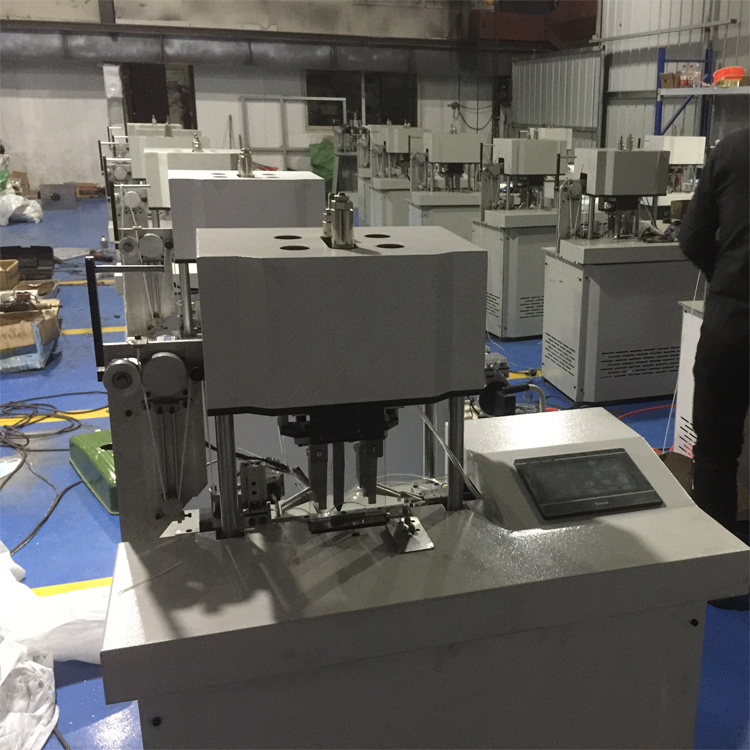
Other Apparel Machines and Parts
Source bulk Other Apparel Machines and Parts from vetted manufacturers and suppliers. Designed for importers, wholesalers, distributors, and garment factory procurement teams, our catalog offers reliable access to specialized apparel machinery, OEM/ODM equipment, and precision replacement parts at competitive wholesale prices.
Sourcing specialized apparel machinery and replacement parts requires navigating a highly fragmented manufacturing landscape. Whether you are procuring automated snap fastening machines, fabric inspection units, or high-volume aftermarket components for major industrial sewing brands, the margin for error is practically zero. A single out-of-tolerance looper or a failing pneumatic cylinder on a pressing machine can halt an entire production line.
Successfully importing these items in bulk means moving beyond basic supplier directories. It requires verifying a factory's in-house machining capabilities, understanding their metallurgical standards, and ensuring electrical compliance for your target market.
Critical Specifications for Specialized Machinery and Parts
Because this category covers a broad spectrum of ancillary garment production equipment, procurement managers must strictly define technical specifications before requesting quotes.
For machinery (such as heat presses, fusing machines, or thread trimmers), the focus is on component reliability and electrical safety. Ensure the supplier uses internationally recognized brands for PLCs (Programmable Logic Controllers), servomotors, and pneumatic valves. Specify voltage, phase requirements, and required certifications (CE, UL, or CSA) upfront.
For replacement parts (such as needles, bobbins, gauge sets, and loopers), metallurgy and dimensional accuracy are paramount.
| Component Category | Critical Material/Spec | Primary Sourcing Risk |
|---|---|---|
| High-Friction Parts (Loopers, Knives) | High-Carbon Steel (HRC 58-62) | Premature dulling or snapping under load |
| Precision Feed Mechanisms | Tungsten Carbide / Titanium Coating | Dimensional variance causing skipped stitches |
| Ancillary Machines (Fusing/Pressing) | Teflon-coated belts, Omron/Delta PLCs | Uneven heat distribution, electrical failure |
Struggling to find a reliable factory for a highly specific apparel machine or custom component?
Talk to our teamEvaluating Manufacturers vs. Trading Companies
The supply chain for apparel machinery parts is heavily saturated with trading companies. While aggregators can be useful for consolidating small orders of diverse parts, bulk buyers and brands needing OEM production must go direct to the source.
True manufacturers of precision apparel parts will have extensive in-house CNC machining, grinding, and heat-treatment facilities. When conducting factory audits, pay close attention to their quality control lab. If they cannot demonstrate how they measure Rockwell hardness or verify micro-tolerances (often requiring optical comparators or CMMs), they are likely outsourcing the actual manufacturing.
Supplier Vetting Checklist for Apparel Machinery
- Verify in-house CNC and precision grinding capabilities.
- Check for dedicated heat-treatment facilities or certified third-party partnerships.
- Request documentation for CE/UL compliance on all electrical components.
- Confirm compatibility guarantees for aftermarket parts (e.g., exact fit for Juki, Brother, Pegasus).
- Assess post-sale support and availability of English-speaking technical engineers.
Quality Control and Defect Prevention
Defects in apparel machinery parts often only become apparent under high-speed operational stress. Pre-shipment quality control and inspection is non-negotiable.
For parts, inspections should rely on statistical sampling (AQL standards) to check dimensional tolerances against CAD drawings, surface finish smoothness (to prevent thread fraying), and hardness. For complete machines, insist on a recorded FAT (Factory Acceptance Test) where the machine is run continuously for several hours using the actual fabric types it will process in the field.
Typical MOQs, Pricing, and Lead Times
Pricing and Minimum Order Quantities (MOQs) in this category vary wildly depending on whether you are buying complete machines or bulk components. Relying on an experienced partner for product sourcing can help negotiate terms that align with your operational scale.
Custom OEM parts or machines requiring specific voltage configurations will naturally push lead times toward the higher end of the spectrum, as factories must retool or source specialized electrical components.
Need to consolidate shipments from multiple machinery parts suppliers? Let us manage the logistics.
Get a free consultationFrequently Asked Questions
Sourcing reliable apparel machinery and parts at scale is less about finding the lowest price and entirely about securing consistent precision and operational uptime. A robust vetting process and strict quality oversight at the factory level are your best defenses against costly production halts. If you are looking to streamline your procurement of specialized garment equipment, our team is ready to help you build a resilient supply chain.
Get Sourcing Help for Other Apparel Machines and Parts
Tell us your requirements and our experts will connect you with verified manufacturers.