Other Aluminum
Source specialized and non-standard aluminum materials in bulk from vetted manufacturers and suppliers. Designed for importers, wholesalers, and industrial procurement managers, our network provides reliable access to custom aluminum alloys, powders, and niche semi-finished products for demanding manufacturing applications.
Navigating the Market for Specialty and Other Aluminum
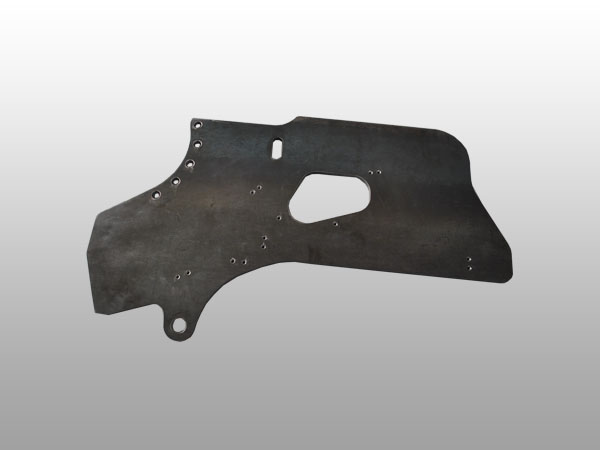
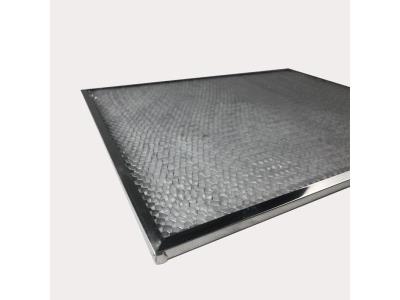
Sourcing aluminum outside standard extrusions, sheets, or ingots requires a highly technical approach to procurement. The "Other Aluminum" category encompasses a wide range of specialty materials—from aluminum powders and pastes used in coatings and metallurgy, to master alloys, aluminum foams, and secondary recovery materials like dross or scrap.
Because these materials often serve highly specific industrial applications, off-the-shelf procurement is rarely viable. Buyers must rigorously define chemical compositions, physical properties, and handling requirements, while ensuring the chosen manufacturer has the specialized equipment to meet those tolerances consistently.
Critical Specifications to Define
When dealing with non-standard aluminum, ambiguity in your purchase order will lead to unusable material. Standardizing your specifications is the first line of defense against quality fade.
Essential Specifications for Specialty Aluminum
- Chemical Composition: Exact percentages of primary alloying elements (e.g., Silicon, Magnesium, Copper) and maximum allowable limits for trace impurities (Iron, Zinc).
- Physical Form & Dimensions: For powders, specify mesh size distribution and apparent density. For foams or custom shapes, define porosity and dimensional tolerances.
- Surface & Treatment: Specify any required passivation, coatings, or treatments to prevent oxidation during transit.
- Material Grade & Certification: Ensure the material meets relevant international standards (ASTM, EN, or JIS) and require mill test certificates (MTC) with every batch.
If you are sourcing materials where trace element contamination can ruin your end product, independent verification is critical. Utilizing professional Compliance & Testing services ensures that the chemical breakdown provided by the factory matches the actual shipment.
Sourcing specialty aluminum requires rigorous supplier vetting. Let us help you identify and qualify the right manufacturing partner for your exact specifications.
Talk to our teamVerifying Supplier Capabilities
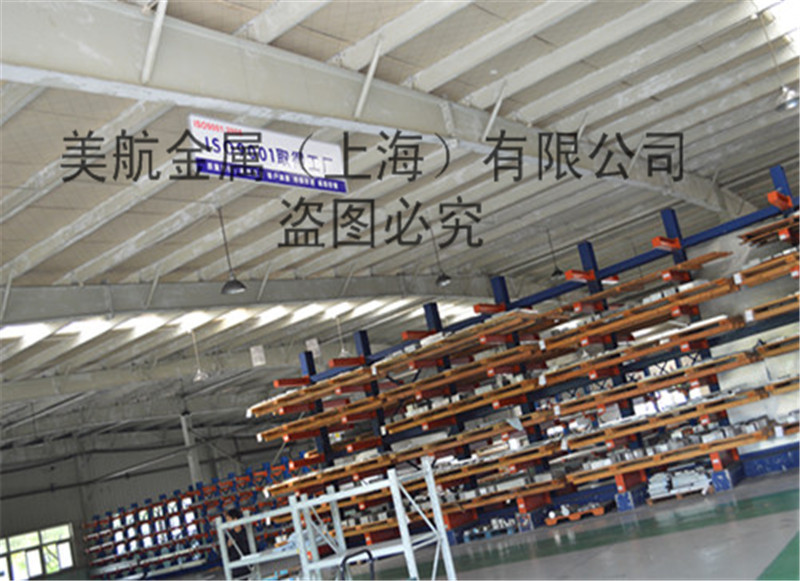
Not all aluminum facilities are equipped to handle specialty production. A factory producing standard 6061 extrusions likely lacks the atomization equipment for aluminum powder or the controlled casting environments for complex master alloys.
When evaluating a new supplier in this category, on-site verification is non-negotiable. Conducting thorough Factory Audits allows you to assess their raw material sourcing, melting and casting controls, and internal laboratory capabilities. Look for factories that maintain in-house optical emission spectrometers (OES) for real-time alloy analysis before casting.
Quality Control Checkpoints
Quality control for specialized aluminum must happen at the source. Once the material is shipped, rectifying metallurgical defects is impossible.
Raw Material Verification
Checking the purity of primary ingots or the sorting quality of secondary scrap before melting begins to prevent base contamination.
In-Process Spectrometry
Analyzing the chemical composition of the melt in real-time to adjust alloying elements before the final pour or atomization.
Physical Property Testing
Verifying particle size, density, or mechanical strength (tensile, yield, elongation) depending on the specific aluminum product.
Pre-Shipment Packaging Inspection
Ensuring moisture-proof and oxidation-resistant packaging is intact, particularly for reactive materials like aluminum powders.
Implementing independent Quality Control & Inspection prior to container loading ensures that out-of-spec material never leaves the factory floor.
Pricing Structures and Purchasing Mechanics
Pricing for all aluminum products is fundamentally tied to the London Metal Exchange (LME) or Shanghai Futures Exchange (SHFE) base price for primary aluminum, plus a conversion or fabrication premium. For specialty aluminum, this premium can be substantial due to the complex processing required.
When negotiating bulk contracts, it is crucial to lock in the fabrication premium while allowing the base LME price to float until the day of order confirmation. This protects both you and the manufacturer from extreme market volatility.
Furthermore, logistics for certain "other aluminum" products—such as fine powders or pastes—can be complex due to Dangerous Goods (DG) classifications. Partnering with experts in Shipping & Freight ensures compliance with international maritime regulations and prevents costly customs delays.
Struggling with volatile pricing or complex shipping regulations? Our supply chain team can help you structure stable contracts and manage the logistics of specialty metals.
Get a free consultationFrequently Asked Questions
Securing a reliable supply of non-standard aluminum requires more than just finding a willing factory; it demands strict metallurgical oversight, precise contract structuring, and proactive logistics management. By controlling the specifications and verifying quality at the source, you can build a resilient and cost-effective supply chain for your specialized material needs.
Get Sourcing Help for Other Aluminum
Tell us your requirements and our experts will connect you with verified manufacturers.