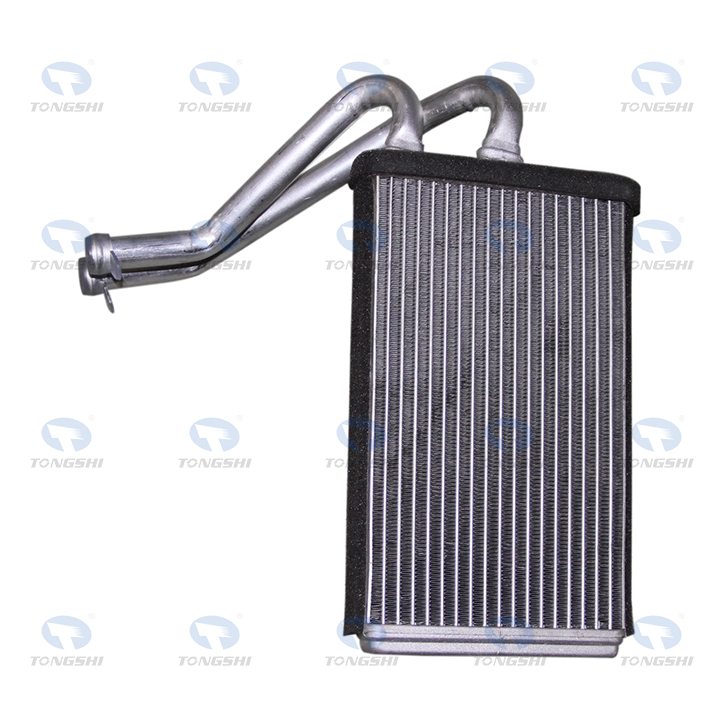
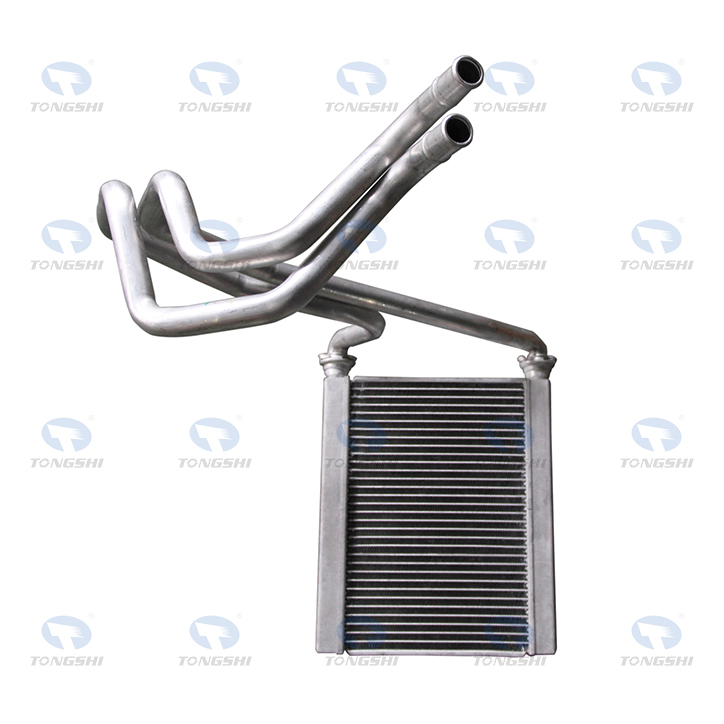
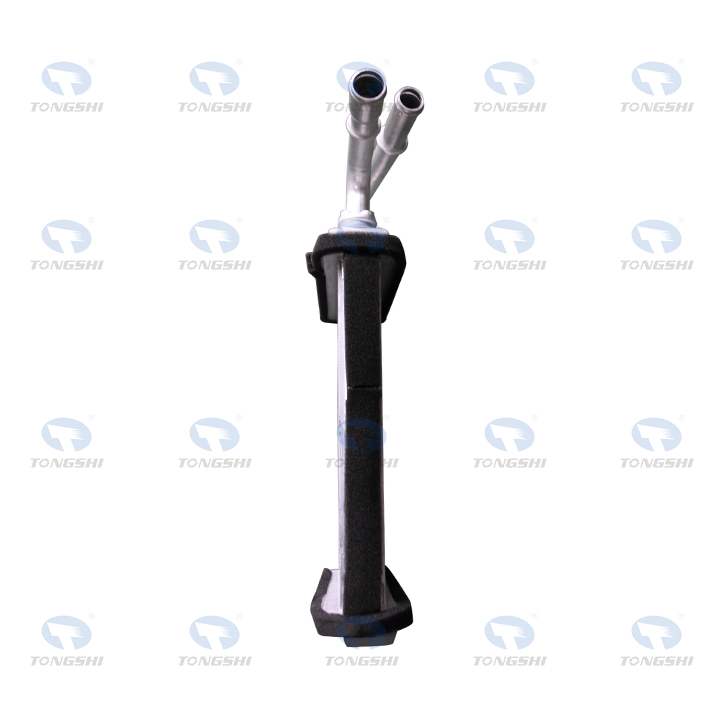
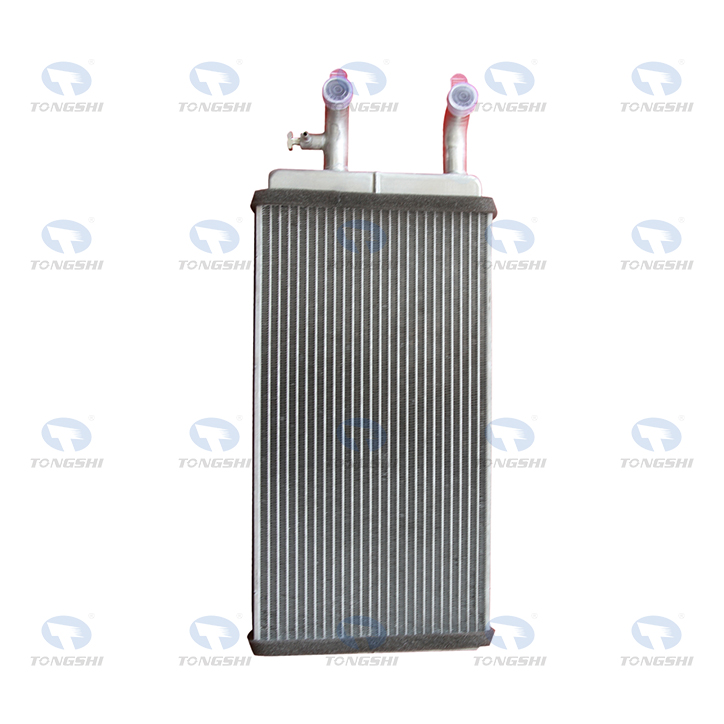
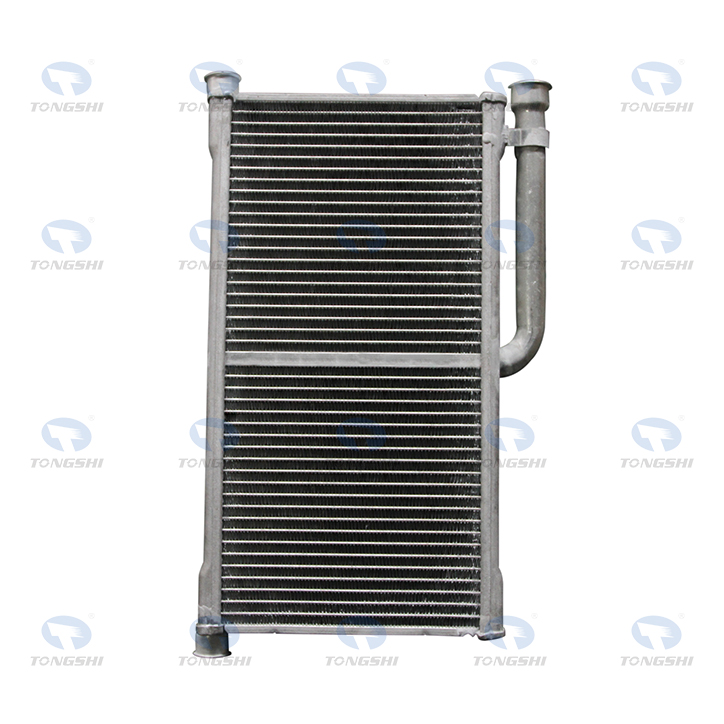
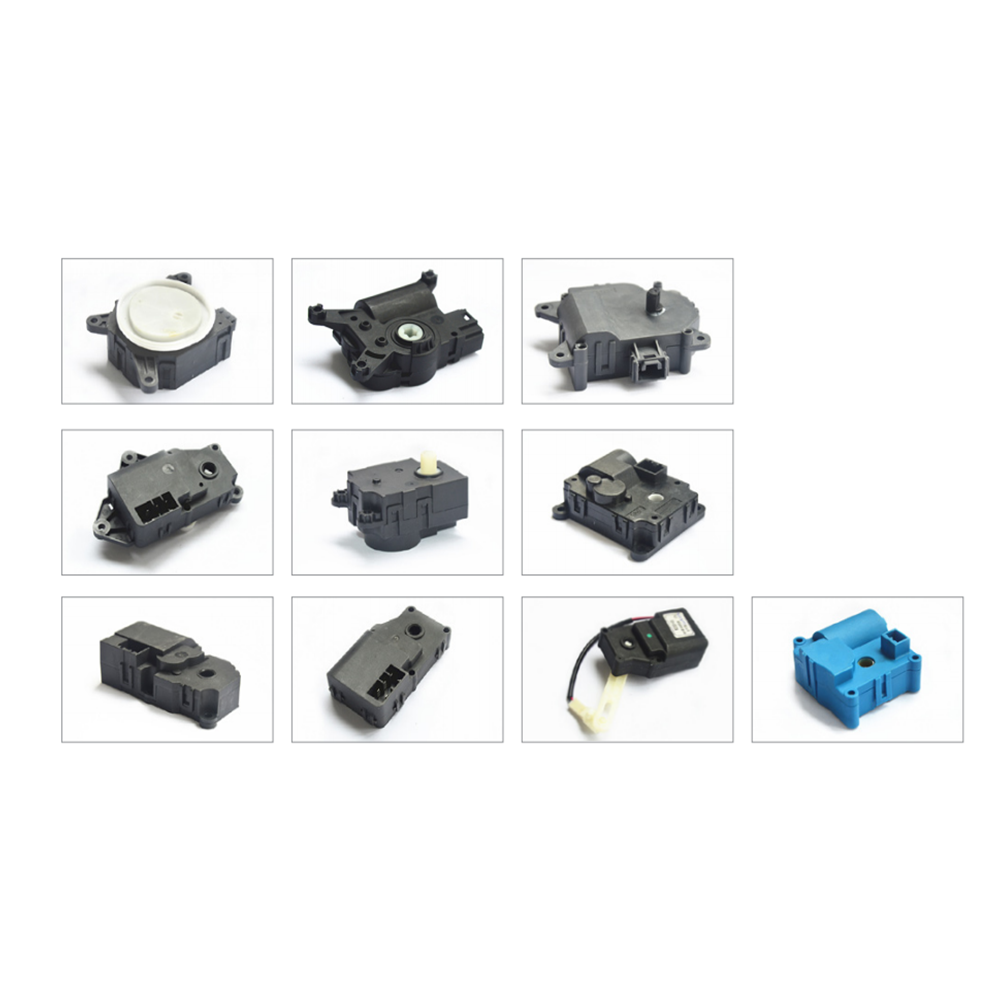
Other Air Conditioning Systems
Source specialized and other air conditioning systems from vetted manufacturers and suppliers in China and across Asia. Designed for wholesale distributors, automotive importers, and OEM brands requiring custom or niche vehicle thermal management solutions in bulk.
When sourcing specialized vehicle air conditioning systems outside standard automotive categories—such as auxiliary power unit (APU) coolers for heavy trucks, specialized RV roof units, or custom thermal management for off-highway equipment—the primary challenge is balancing niche technical requirements with reliable, high-volume production. These systems often require custom engineering to handle extreme vibration, non-standard voltages, and specific spatial constraints, making supplier selection highly critical.
Defining Technical Specifications for Niche AC Systems
Off-the-shelf solutions rarely meet the demands of specialized vehicles. Whether you are outfitting agricultural machinery, marine cabins, or electric commercial vehicles, your specification sheet must be comprehensive to avoid costly miscommunications with the factory.
Critical Specifications for Factory Briefings
- Cooling capacity (measured in BTU/h or kW) under specific ambient temperature parameters
- Operating voltage (e.g., 12V/24V DC for standard commercial, 48V+ DC for EVs, 110V/220V AC for RVs)
- Refrigerant compatibility (R134a, R1234yf, or emerging low-GWP alternatives)
- Compressor architecture (inverter-driven, scroll, or rotary) and mounting orientation
- IP rating requirements for external condenser units and electrical housings
Manufacturers will base their component sourcing—specifically the compressor and heat exchangers—on these parameters. For systems requiring custom enclosures or unique form factors, engaging a supplier with robust OEM/ODM Services is necessary to ensure the tooling matches your exact spatial constraints.
Need help matching your custom thermal management specs to the right manufacturer?
Talk to our teamManufacturing Quality and Defect Prevention
The durability of a specialized vehicle AC system is won or lost on the factory floor, particularly during the brazing and assembly stages. Systems designed for heavy machinery or off-road use endure significantly harsher environments than standard passenger car systems.
Vibration resistance is a major failure point. High-quality manufacturers utilize multi-axis vibration testing tables to simulate years of road or off-highway use. Additionally, the integrity of the refrigerant loop relies on precise brazing of copper or aluminum tubing. Subpar brazing leads to micro-leaks that degrade cooling performance over time.
Implementing strict Quality Control & Inspection protocols is essential. Pre-shipment inspections should always include helium leak detection tests and operational run-tests under load.
| Application Type | Vibration Standard | Typical Voltage | Primary Challenge |
|---|---|---|---|
| Heavy Machinery / Construction | High (ISO 16750-3) | 24V / 48V DC | Dust ingress & extreme shock |
| Long-Haul Truck APU | Moderate | 12V / 24V DC | Continuous idle operation |
| Recreational Vehicles (RV) | Low to Moderate | 110V / 220V AC | Acoustic noise & profile height |
Supplier Compliance and Auditing
Not all air conditioning assemblers are equipped to produce automotive-grade systems. A supplier might excel at residential window units but entirely lack the quality management systems required for vehicle applications.
For any automotive or heavy-duty application, IATF 16949 certification is the baseline indicator of a capable factory. If you are importing into Europe, CE and E-mark certifications are mandatory. Relying on paper certificates is risky; conducting thorough Factory Audits verifies that the supplier actually adheres to these standards on their production lines, rather than just holding a certificate for a single legacy product.
Realistic Pricing, Lead Times, and MOQs
Pricing for specialized vehicle AC systems varies drastically based on cooling capacity, compressor technology, and the level of customization required.
- Minimum Order Quantities (MOQs): For off-the-shelf niche systems (like standard RV roof units), MOQs typically range from 50 to 100 units. For fully custom OEM systems requiring new molds for plastic shrouds or custom-bent heat exchangers, expect MOQs of 200 to 500 units.
- Lead Times: Standard production runs generally take 40 to 60 days. If you are developing a new OEM system, factor in an additional 30 to 45 days for tooling, prototyping, and validation testing before mass production can begin.
- Tooling Costs: Custom plastic injection molds for exterior shrouds can range from a few thousand to tens of thousands of dollars, depending on size and complexity. Ensure tooling ownership terms are clearly defined in your manufacturing agreement.
Discuss your production volumes and get realistic pricing and lead time estimates.
Get a free consultationFrequently Asked Questions
Sourcing specialized vehicle air conditioning systems requires navigating complex technical specifications and rigorous quality standards. Success depends not just on finding a factory that can build the unit, but on partnering with a manufacturer whose engineering capabilities and quality control processes align with the demanding environments your products will face.
Get Sourcing Help for Other Air Conditioning Systems
Tell us your requirements and our experts will connect you with verified manufacturers.