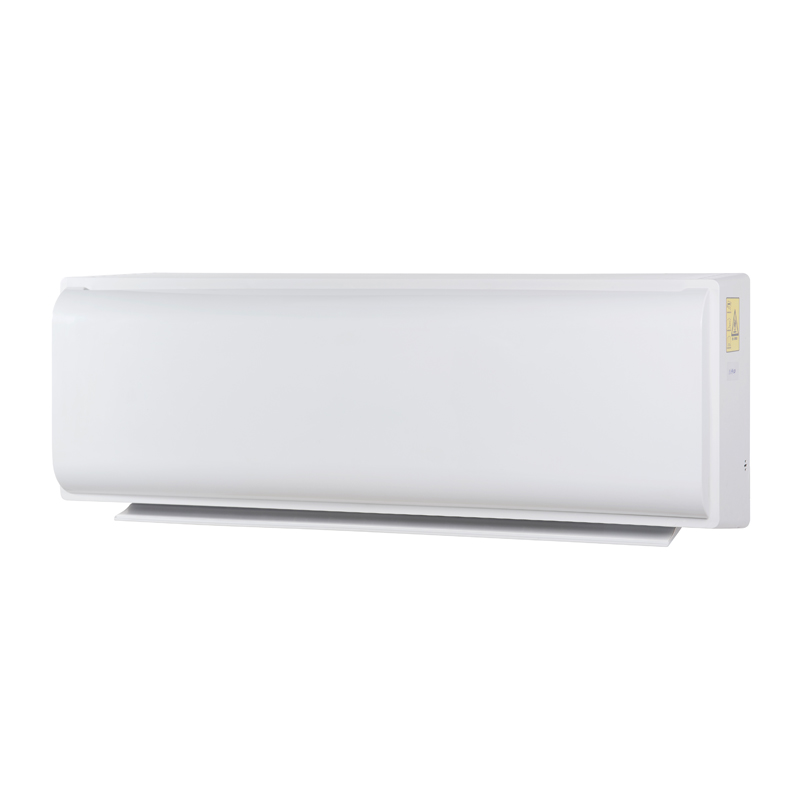
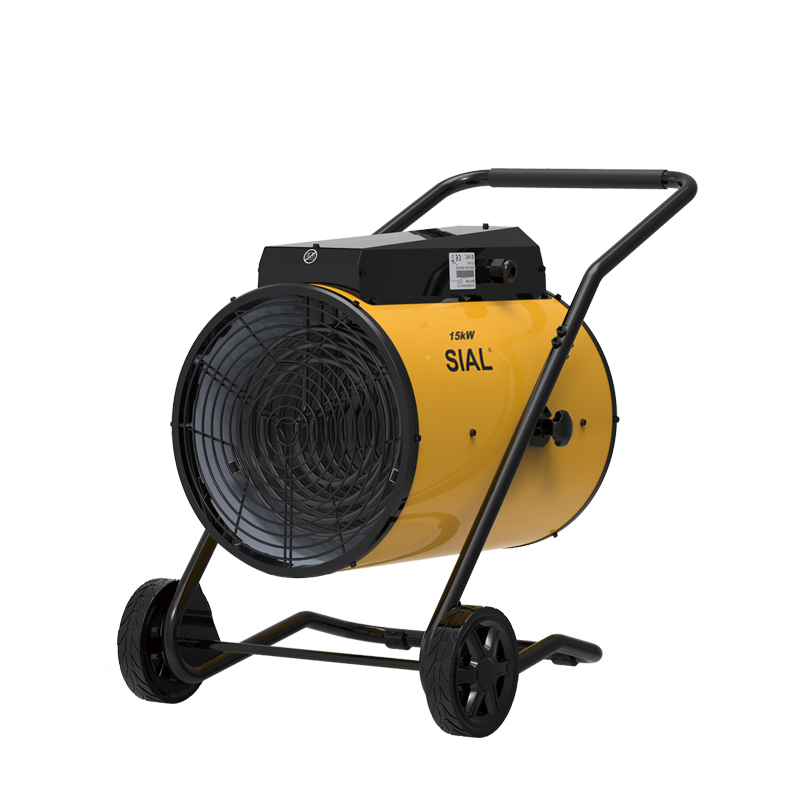
Other Air Conditioners and Ventilation Equipment
Source Other Air Conditioners and Ventilation Equipment from vetted suppliers and manufacturers across Asia. Designed for importers, HVAC distributors, and brands seeking reliable wholesale or OEM production, this selection covers specialized climate control solutions to meet demanding commercial and residential requirements.
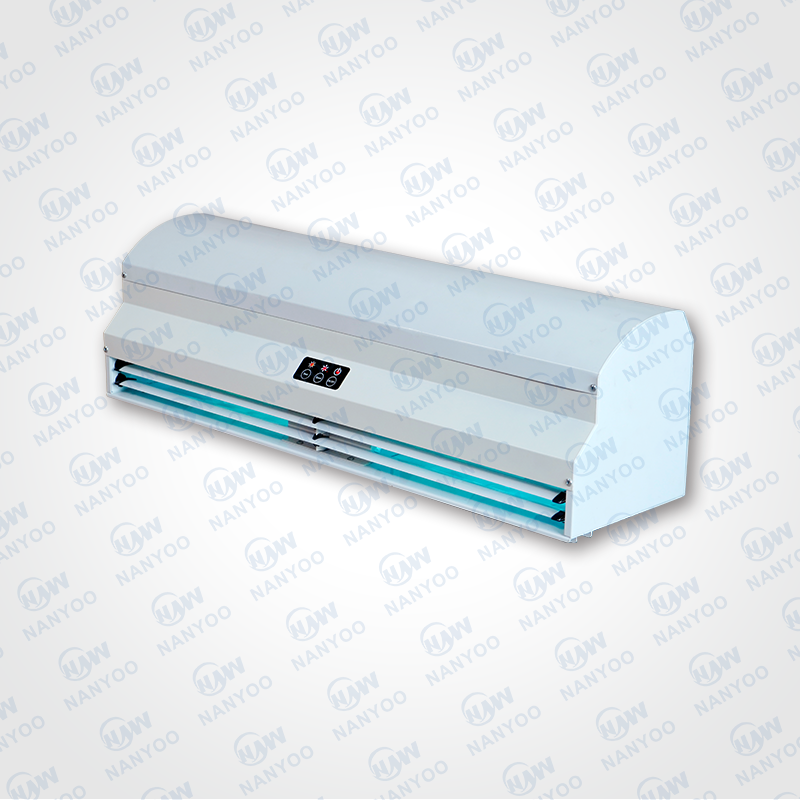
Sourcing specialized air conditioning and ventilation equipment—such as energy recovery ventilators, air curtains, spot coolers, and custom duct fans—requires moving beyond standard off-the-shelf specifications. When buying these niche HVAC products in volume, the primary challenge is matching a factory’s engineering capabilities with your target market's strict efficiency, noise, and safety regulations. A supplier that produces excellent standard fans may completely lack the testing infrastructure required for high-static-pressure ventilation gear.
Core Specifications for Specialized Ventilation
When evaluating manufacturers for specialized ventilation equipment, the technical dialogue should focus immediately on motor technology, aerodynamic design, and verifiable performance metrics.
Motor Technology: AC vs. EC
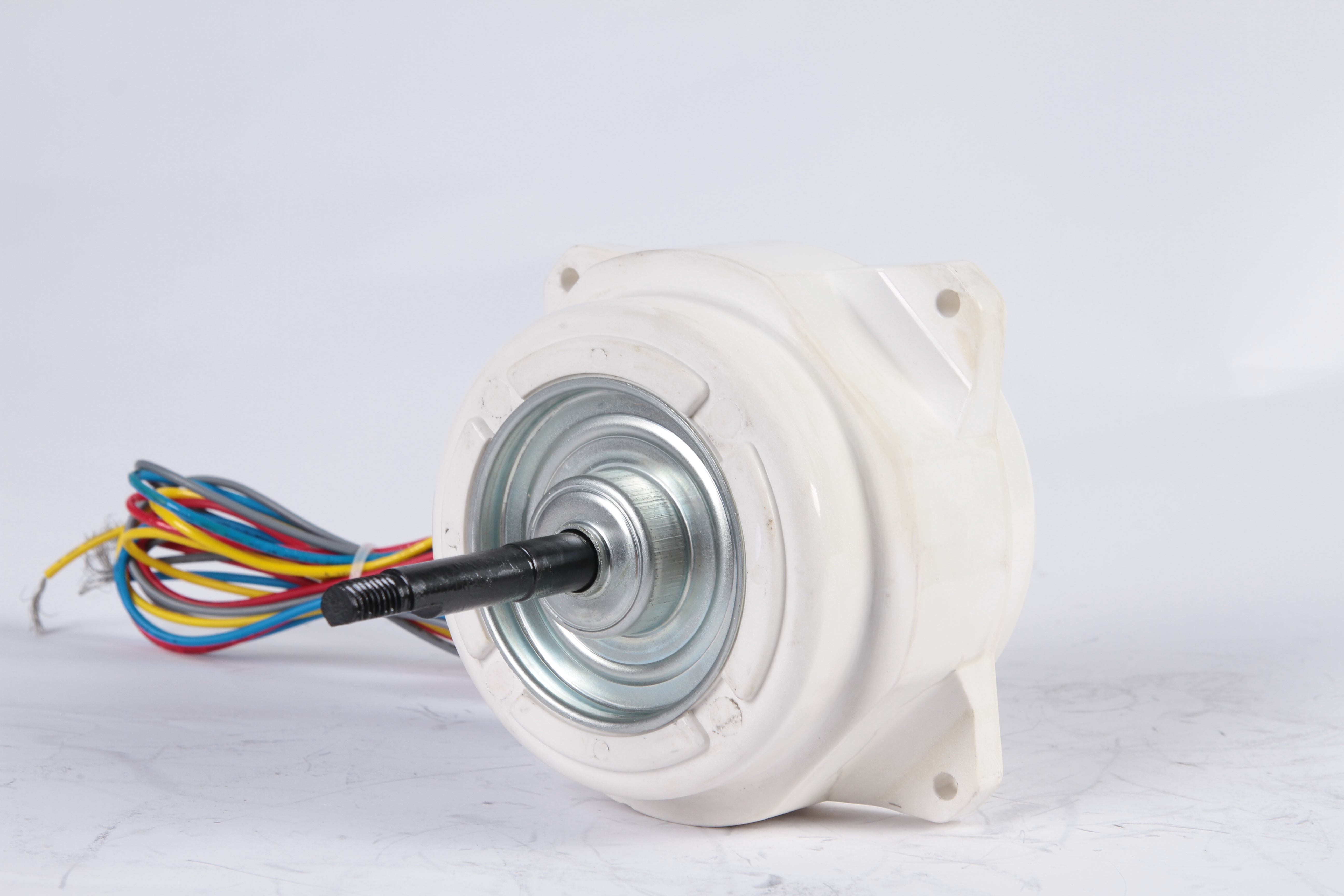
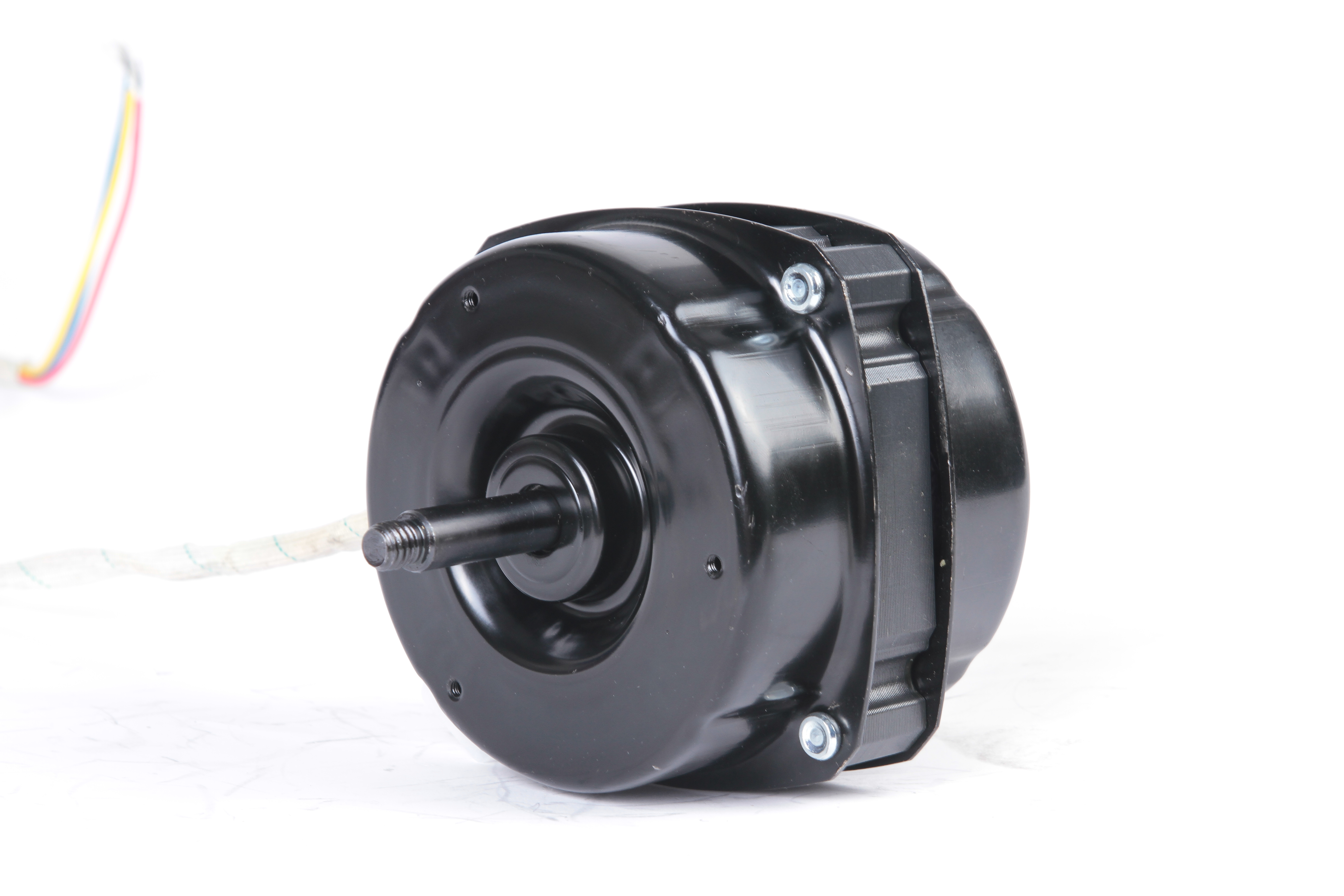
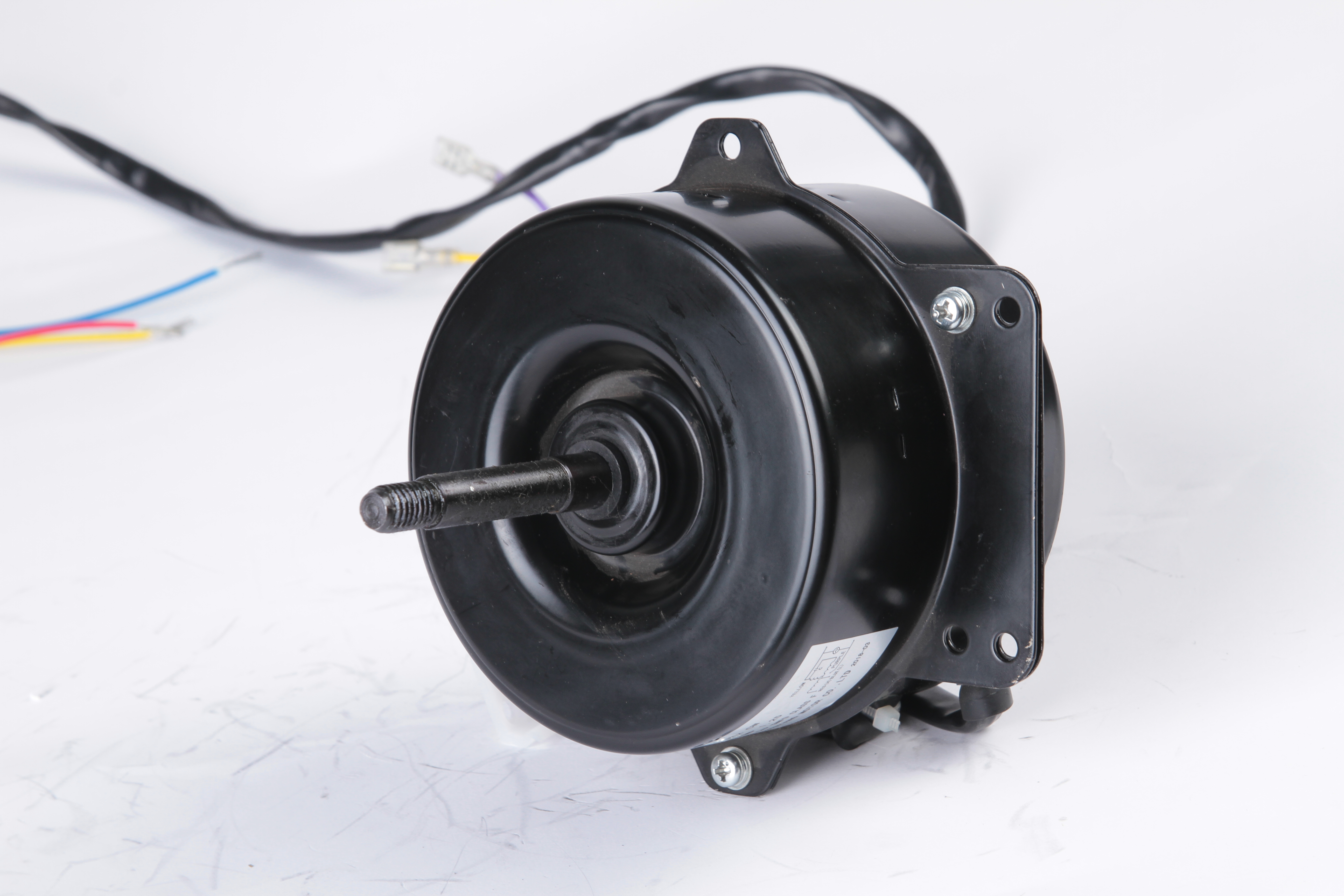
The motor is the highest-cost component and the primary driver of both energy efficiency and unit longevity. Standard alternating current (AC) motors are cheaper and widely available, making them suitable for budget-tier equipment. However, electronically commutated (EC) motors are increasingly the standard for high-end ventilation due to their superior efficiency and variable speed control.
| Specification | Standard AC Motors | EC (Electronically Commutated) Motors |
|---|---|---|
| Energy Efficiency | Moderate (often 30 to 50 percent) | High (frequently over 80 percent) |
| Speed Control | Fixed or stepped (requires external controllers) | Continuous variable speed built-in |
| Operating Noise | Higher, prone to humming at lower speeds | Significantly lower mechanical noise |
| Unit Cost | Low to moderate | Premium (20 to 40 percent higher) |
Airflow and Static Pressure Accuracy
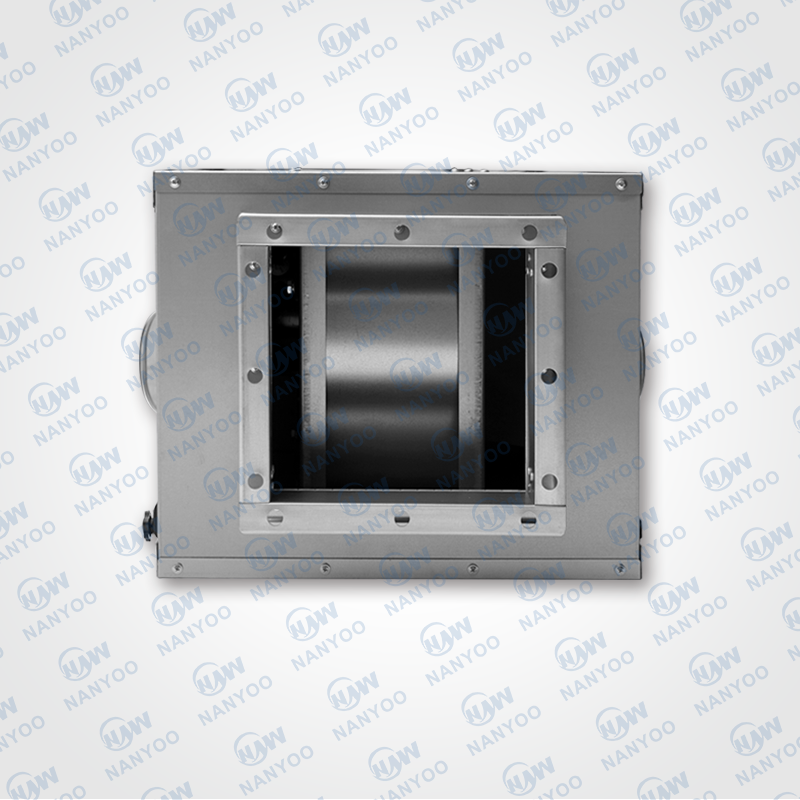
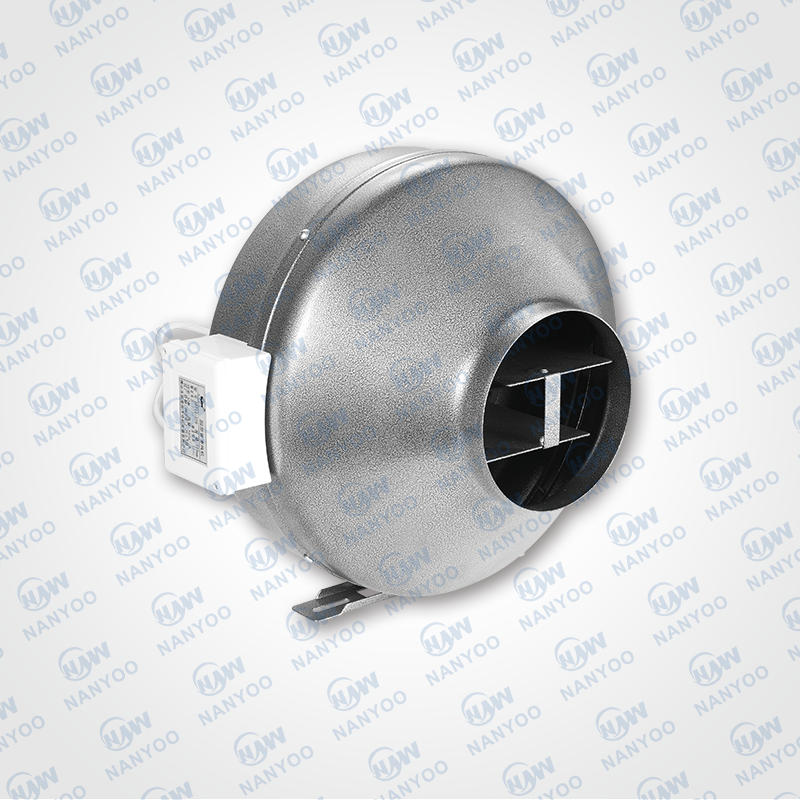
Many lower-tier factories overstate Cubic Feet per Minute (CFM) or Cubic Meters per Hour (CMH) ratings by testing units in "free air" environments with zero resistance. For ducted ventilation equipment or systems utilizing dense HEPA filters, external static pressure (ESP) is the critical metric. Ensure your factory tests airflow using certified wind tunnel equipment under realistic pressure loads.
Need to verify a factory's engineering and testing capabilities before committing to a large order? We can help you evaluate their facilities on the ground.
Talk to our teamManufacturing Quality and Factory Floor Realities
The lifespan of ventilation equipment is won or lost in the assembly process. Even with high-grade components, poor assembly leads to vibration, excessive noise, and premature failure.
When conducting Factory Audits at HVAC facilities, pay close attention to the rotor balancing stations. Impellers and blower wheels must be dynamically balanced to stringent tolerances (often ISO 1940-1 G6.3 or better). If a factory skips this step or uses outdated balancing machines, the resulting equipment will vibrate excessively, leading to bearing wear and customer complaints.
Critical Factory Inspection Points for Ventilation Gear
- Dynamic balancing of all impellers and blower wheels before final assembly.
- Verification of 100 percent pure copper motor windings (reject copper-clad aluminum/CCA unless explicitly requested for budget lines).
- Thickness and anti-corrosion treatment of galvanized steel or powder-coated housings.
- Acoustic chamber testing availability for accurate decibel (dB) ratings.
- Dielectric withstand (hi-pot) and ground continuity testing on the assembly line.
Rigorous Quality Control & Inspection is non-negotiable. Pre-shipment inspections should always include running the units at maximum RPM to check for resonance frequencies and verifying the actual power draw against the rating plate.
Compliance and Market Access
HVAC and ventilation equipment face strict regulatory barriers. For the North American market, UL or ETL certification is mandatory for electrical safety, while ASHRAE standards often govern performance. In the European Union, CE marking (covering the Low Voltage Directive and EMC Directive) is required, alongside strict ErP (Energy-related Products) directives for motor efficiency.
Do not take a supplier's word that a product is "compliant." Always request the actual test reports from recognized third-party labs. If you are developing a custom product through OEM/ODM Services, you will need to budget for new safety certifications. Partnering with experts for Compliance & Testing ensures your products won't be held up at customs or rejected by distributors.
Typical Pricing, MOQs, and Lead Times
The specialized nature of these products means production runs are smaller and lead times are longer than standard consumer appliances.
Pricing is highly volatile and depends directly on raw material costs—specifically copper for motors and steel/aluminum for housings. Smart controllers, integrated sensors (like CO2 or humidity sensors for demand-controlled ventilation), and Wi-Fi connectivity will also push the unit price higher.
Managing complex HVAC supply chains requires specialized oversight. Let us handle supplier negotiation, quality control, and logistics for your next order.
Get a free consultationFrequently Asked Questions
Sourcing specialized air conditioning and ventilation equipment demands a meticulous approach to technical specifications and regulatory compliance. Success in this category requires looking past the glossy catalog and verifying the raw engineering and quality control processes happening on the factory floor.
Get Sourcing Help for Other Air Conditioners and Ventilation Equipment
Tell us your requirements and our experts will connect you with verified manufacturers.