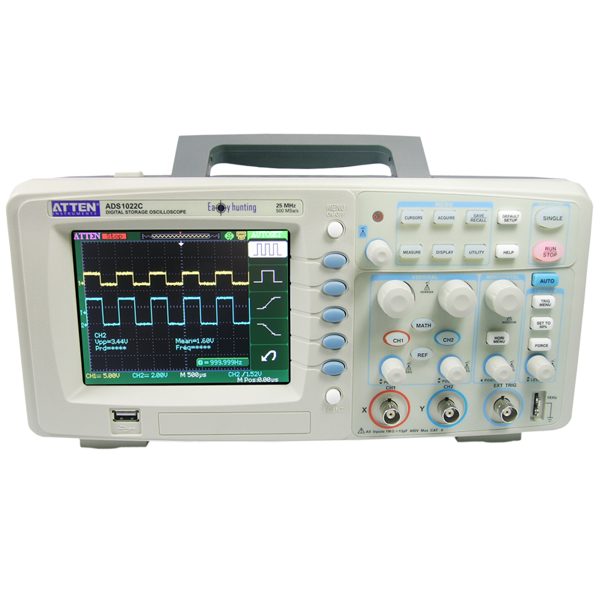
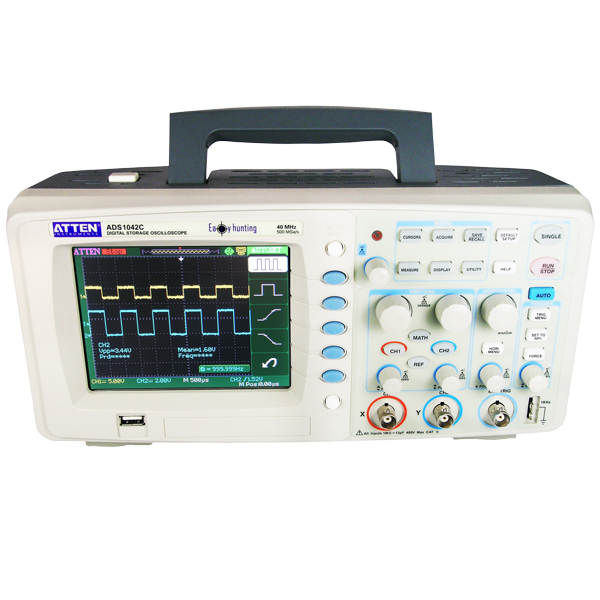
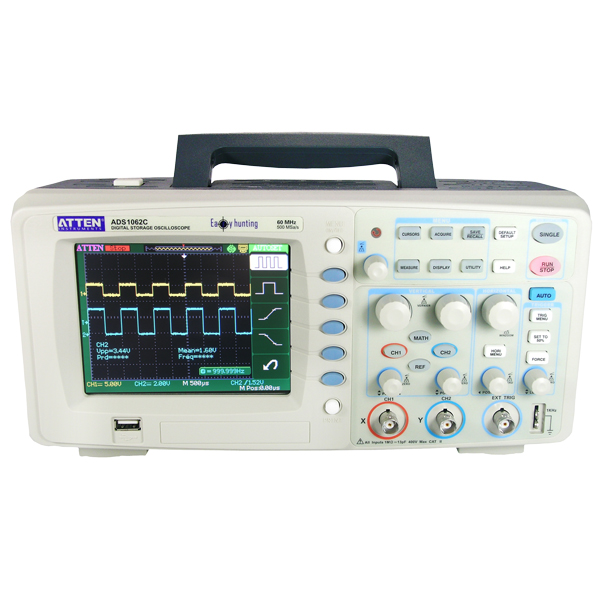
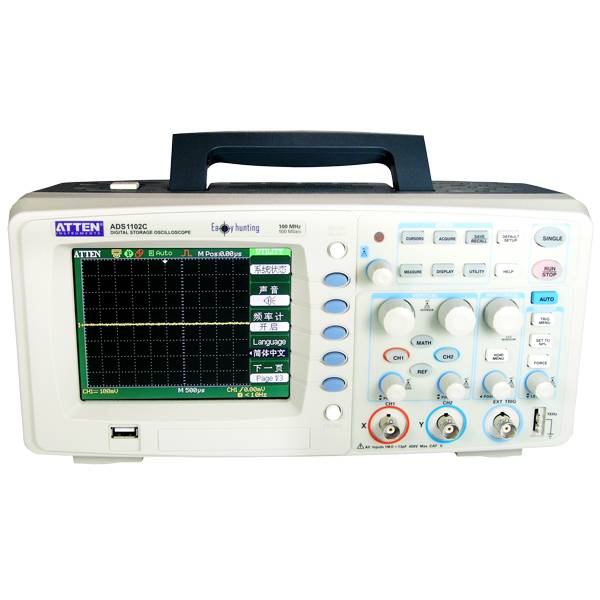
Oscilloscopes
Source high-performance oscilloscopes from vetted suppliers and manufacturers in China and Asia. Designed for importers, distributors, and brands seeking OEM/ODM production, our catalog covers bulk electrical testing instruments with reliable accuracy, competitive pricing, and strict quality control.
Sourcing oscilloscopes in volume requires navigating a highly specialized supply chain of component manufacturers, PCB assemblers, and calibration facilities. Whether you are importing standard benchtop models for distribution or developing custom mixed-signal instruments under an OEM agreement, the core challenge remains the same: ensuring consistent measurement accuracy, firmware stability, and component reliability across production runs while maintaining a viable margin.
Critical Specifications for Bulk Buyers
The bill of materials (BOM) drives both the capability and the cost of an oscilloscope. When negotiating with manufacturers, clarity on the core architecture prevents bait-and-switch tactics on the factory floor.
The most expensive components are the Analog-to-Digital Converters (ADCs) and the Field-Programmable Gate Arrays (FPGAs). Entry-level models often utilize domestic Chinese silicon to keep costs down, which is perfectly acceptable for educational or basic hobbyist markets. However, professional-grade instruments require premium components (often from Western manufacturers like Texas Instruments, Analog Devices, or Xilinx) to maintain low noise floors and high trigger rates.
| Specification | Standard Distribution | Professional OEM/ODM |
|---|---|---|
| Bandwidth | 50MHz to 200MHz | 500MHz to 2GHz and above |
| Sample Rate | 1 GSa/s | 5 GSa/s to 10 GSa/s |
| ADC Resolution | 8-bit | 10-bit, 12-bit, or higher |
| Memory Depth | 10 Mpts to 50 Mpts | 200 Mpts to 1 Gpts |
Need help verifying a factory's technical capabilities and component supply chain?
Talk to our teamManufacturing Tolerances and Quality Control
Oscilloscope manufacturing is unforgiving. High-frequency signals require meticulous PCB layout, impedance matching, and electromagnetic shielding. A minor flaw in the shielding can introduce unacceptable noise at lower voltage scales (e.g., 1mV/div or 2mV/div).
To mitigate risks, rigorous Quality Control & Inspection must be implemented during production, not just before shipment.
Key Focus Areas for Oscilloscope QC
- Noise Floor Verification: Test at the lowest voltage setting with no input to ensure baseline noise is within spec.
- Trigger Stability: Verify hardware triggers across multiple waveforms, especially edge and pulse width triggers.
- Firmware Stability: Run prolonged stress tests to ensure the UI does not freeze during high-memory-depth captures.
- Calibration Accuracy: Ensure the factory uses certified calibrators (e.g., Fluke 9500B) on the final assembly line.
- Thermal Management: Inspect heat sinks on FPGAs and ADCs; poor thermal dissipation leads to measurement drift.
Conducting comprehensive Factory Audits before placing an order is highly recommended. You must confirm that the supplier actually possesses the automated calibration rigs and RF testing chambers required to validate their own spec sheets.
OEM/ODM Customization and Private Labeling
For brands utilizing OEM/ODM Services, customization extends far beyond printing a logo on a generic chassis.
Manufacturers typically offer tiered customization. At the basic level, you can customize the outer casing color, boot screen, and packaging. At the advanced ODM level, buyers often dictate specific serial decoding protocols (I2C, SPI, CAN, LIN) to be included in the firmware, modify the user interface for touch-screen responsiveness, or request specific probe attenuation ratios. Ensure that any software modifications are thoroughly debugged, as firmware updates post-shipment can be difficult to coordinate across a distributed user base.
MOQs, Lead Times, and Pricing Realities
Because oscilloscopes are high-value instruments, Minimum Order Quantities (MOQs) are generally lower than basic consumer electronics, but lead times can be extensive due to component sourcing.
Pricing is heavily indexed to global semiconductor availability. When planning your procurement cycle, lock in component pricing early in the negotiation phase.
Navigating pricing negotiations, component sourcing, and production schedules?
Get a free consultationFrequently Asked Questions
Success in sourcing oscilloscopes comes down to a rigorous alignment of your target market's technical requirements with the factory's actual engineering capabilities. Verifying component authenticity and enforcing strict calibration standards at the source is the only reliable way to protect your brand's reputation in the professional test equipment market.
Get Sourcing Help for Oscilloscopes
Tell us your requirements and our experts will connect you with verified manufacturers.