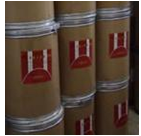
Organic Intermediates
Source high-purity organic intermediates in bulk from vetted manufacturers and suppliers. Designed for chemical distributors, procurement managers, and pharmaceutical or agrochemical manufacturers, our network provides reliable wholesale production. Ensure strict quality control and regulatory compliance for your chemical supply chain.
Sourcing organic intermediates at an industrial scale requires stringent control over purity, impurity profiles, and batch-to-batch consistency. Whether you are procuring building blocks for active pharmaceutical ingredients (APIs), agrochemicals, dyes, or specialty polymers, the margin for error is effectively zero. Securing a reliable supply chain means looking beyond the quoted price per metric ton and deeply evaluating the manufacturer's synthesis capabilities, environmental compliance, and quality management systems.
Specifying Organic Intermediates for Bulk Procurement
When requesting quotes from overseas factories, vague specifications inevitably lead to unusable batches. A standard chemical name and CAS number are just the starting point. Professional procurement requires defining your exact analytical requirements so the supplier knows exactly what will be tested before shipment.
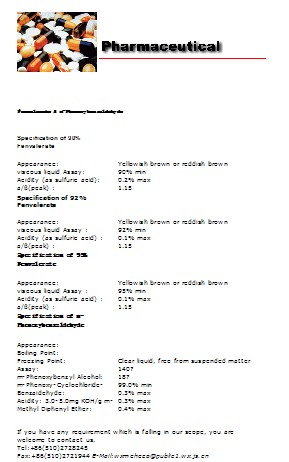
Critical Specifications for Your RFQ
- Assay/Purity: Specify the minimum acceptable percentage (e.g., 99.5 percent minimum) and the testing method (HPLC, GC, or Titration).
- Impurity Profile: List maximum allowable limits for specific known impurities, heavy metals, and residual solvents.
- Moisture Content: Define the maximum water content, typically measured via Karl Fischer titration (e.g., under 0.5 percent).
- Appearance and Color: Specify visual requirements, often quantified using the APHA or Gardner color scale to ensure consistency.
Evaluating Manufacturer Capabilities and Risks
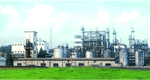
The chemical manufacturing landscape in Asia is highly dynamic. Factories range from state-of-the-art automated facilities to older plants that may struggle with newer environmental regulations. A supplier's ability to maintain consistent production is directly tied to their infrastructure.
Environmental Compliance Risk
Strict environmental regulations in major chemical manufacturing hubs can cause sudden factory shutdowns if a supplier lacks proper effluent treatment infrastructure. Always verify a factory's environmental standing before committing to large contracts.
To mitigate these risks, conducting thorough Factory Audits is essential. You must verify not only their ISO 9001 (Quality) and ISO 14001 (Environmental) certifications but also their actual reactor capacities, distillation setups, and on-site laboratory capabilities.
| Production Scale | Typical Volume | Best Suited For |
|---|---|---|
| Pilot Plant | 10 kg to 500 kg | Process validation, initial scale-up, and clinical trials. |
| Commercial Scale | 1 MT to 20 MT+ | Routine bulk procurement and continuous manufacturing. |
| Custom Synthesis | Variable | Proprietary molecules requiring dedicated OEM/ODM production lines. |
Ensure your chemical supply chain is resilient. We audit intermediate manufacturers for capacity, environmental compliance, and strict quality control before you place an order.
Talk to our teamBatch Consistency and Independent Testing
Relying solely on the manufacturer's Certificate of Analysis (COA) is a common vulnerability in chemical sourcing. While a factory COA provides a baseline, independent verification is critical, especially for initial orders or sensitive applications like pharma intermediates.
Implementing robust Compliance & Testing protocols ensures that the product matches the agreed-upon specifications before it leaves the country of origin. This includes verifying purity, checking for undeclared isomers, and ensuring the product meets international regulatory frameworks such as REACH (for the EU) or TSCA (for the US).
Pricing Drivers, MOQs, and Chemical Logistics
Pricing for organic intermediates is rarely static. It fluctuates based on upstream petrochemical feedstock costs (like benzene, toluene, or propylene), local energy prices, and the cost of environmental compliance.
Beyond the unit price, logistics play a massive role in landed costs. Many organic intermediates are classified as Dangerous Goods (DG). Proper Shipping & Freight coordination is necessary to secure space on specialized vessels, handle DG declarations, and manage temperature-controlled containers if the chemical is prone to degradation.
Navigating hazardous freight, fluctuating chemical prices, and factory vetting? Let us manage your procurement and logistics end-to-end for a stable supply chain.
Get a free consultationFrequently Asked Questions
Successful procurement of organic intermediates is about risk mitigation at the factory level. By specifying precise analytical parameters, auditing for environmental compliance, and securing specialized logistics, buyers can stabilize their supply chains against market volatility. Focus on integrating rigorous quality controls early in the sourcing process to ensure every batch performs exactly as required.
Get Sourcing Help for Organic Intermediates
Tell us your requirements and our experts will connect you with verified manufacturers.