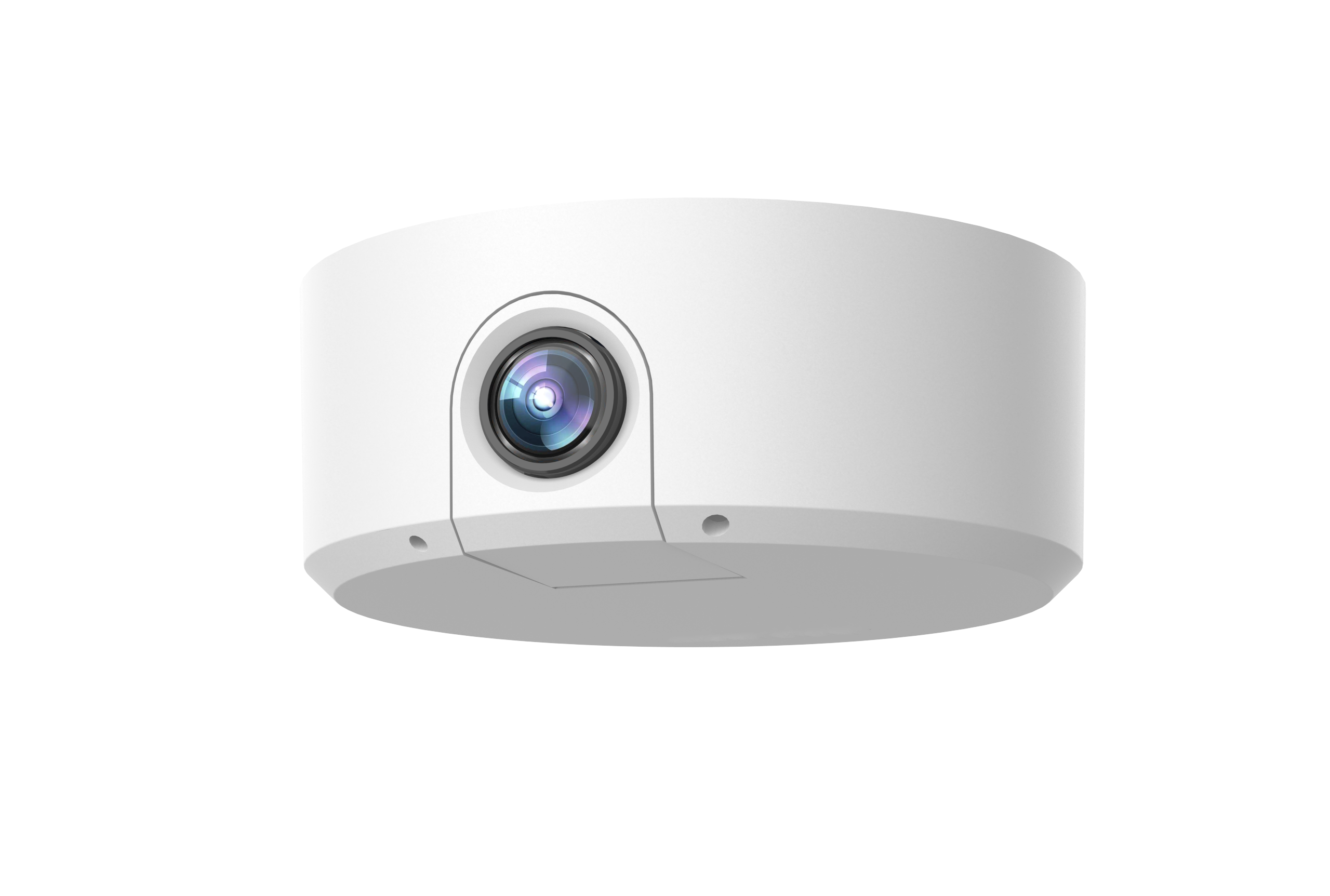
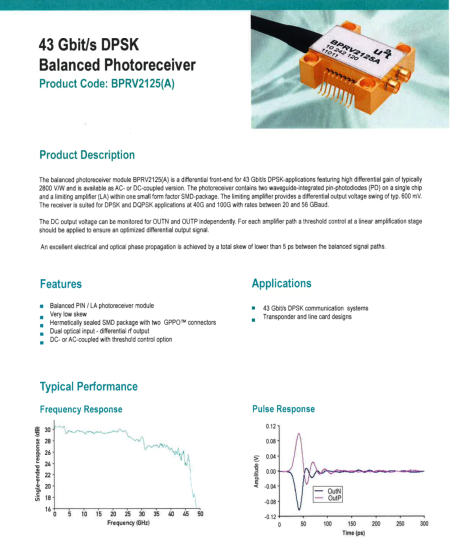
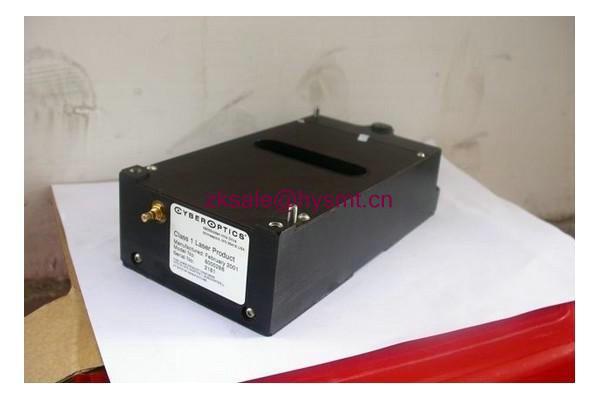
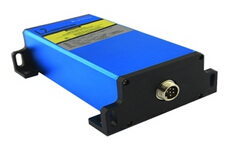
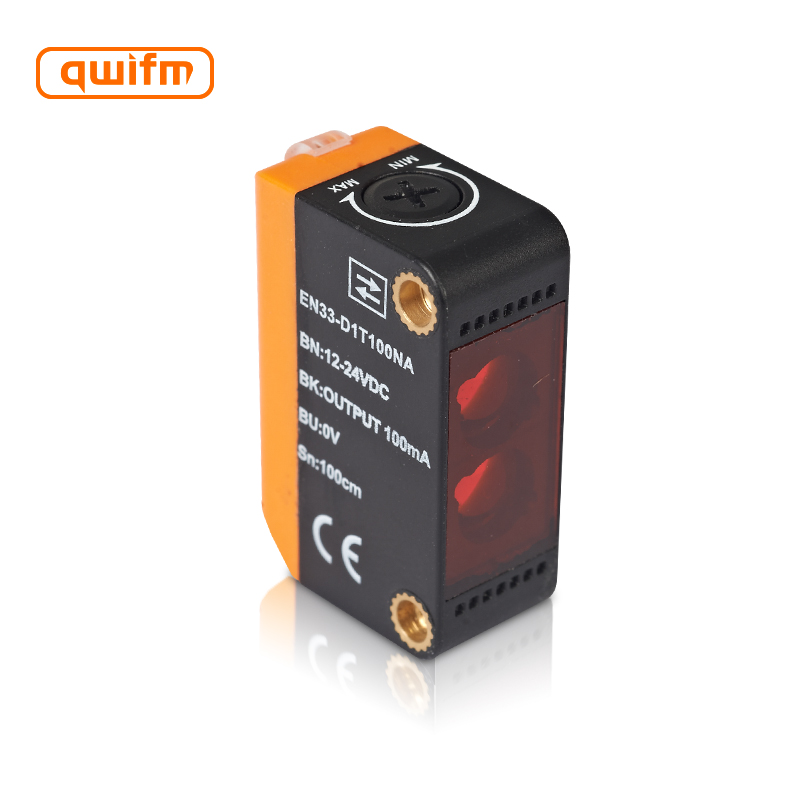
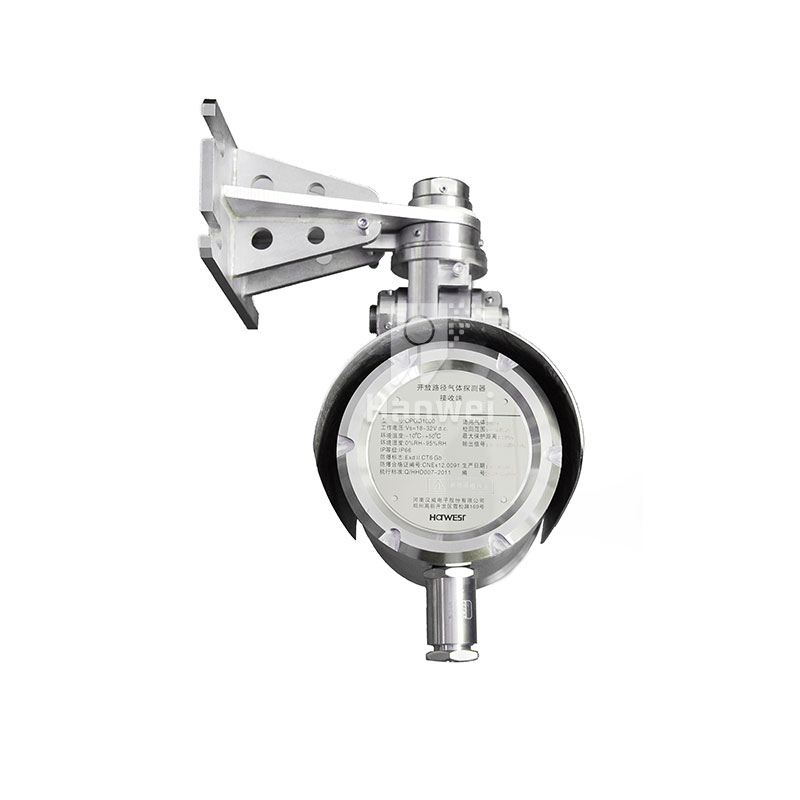
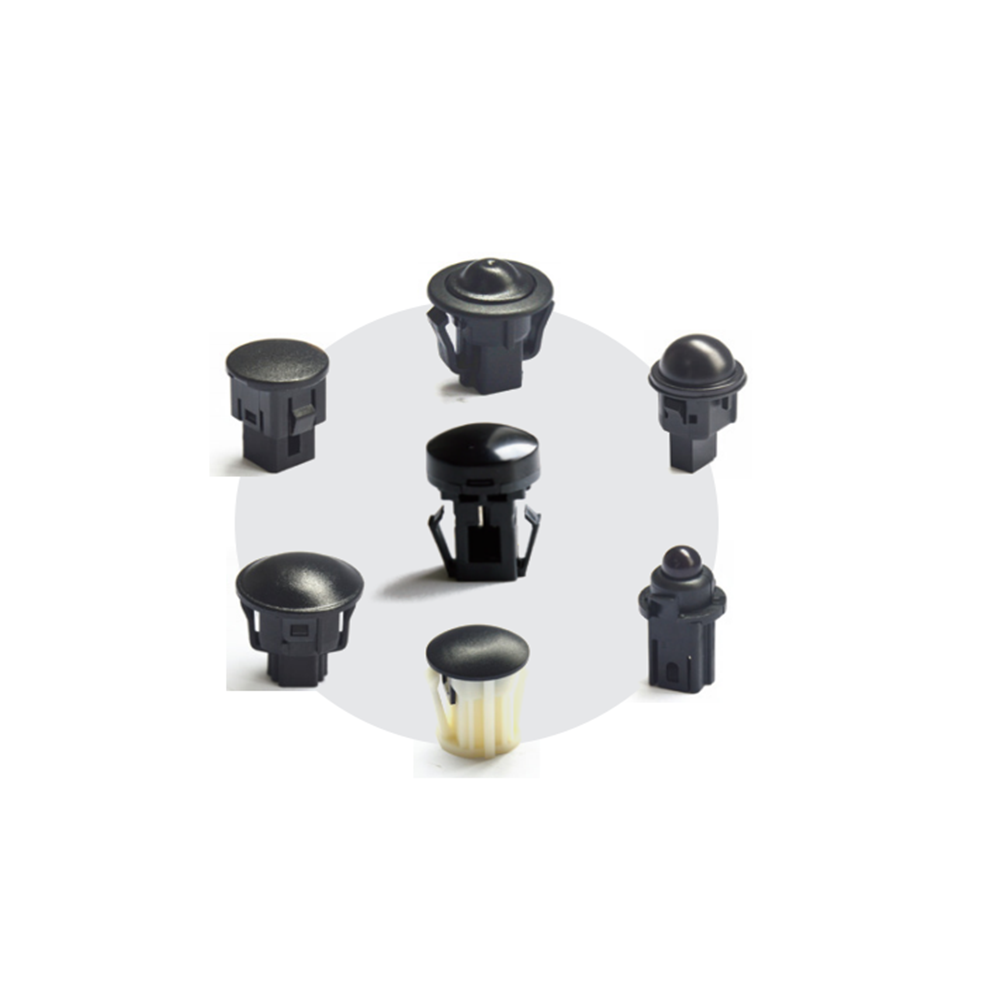
Optical Sensors
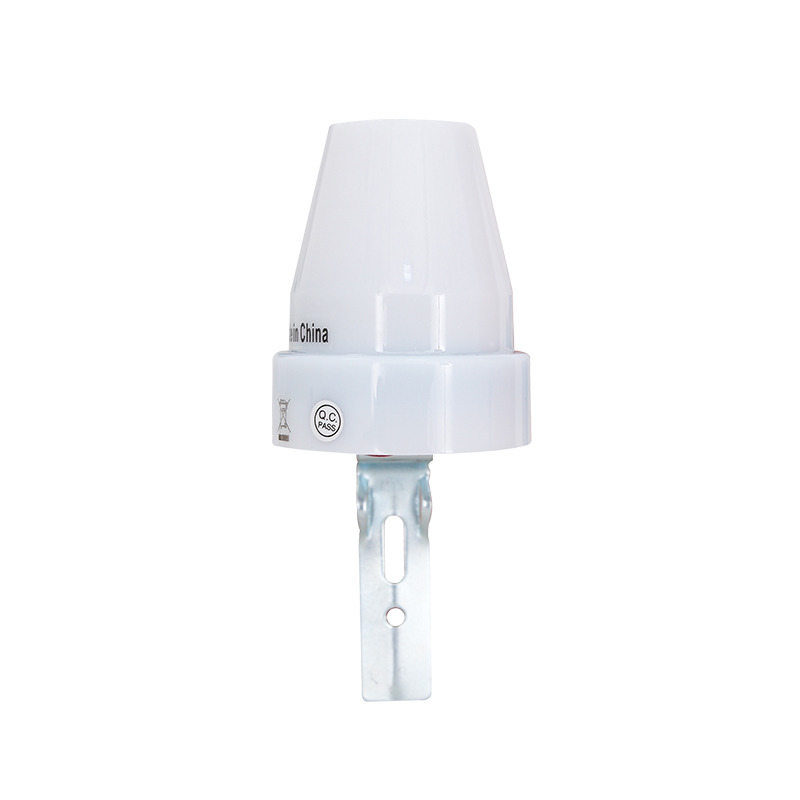
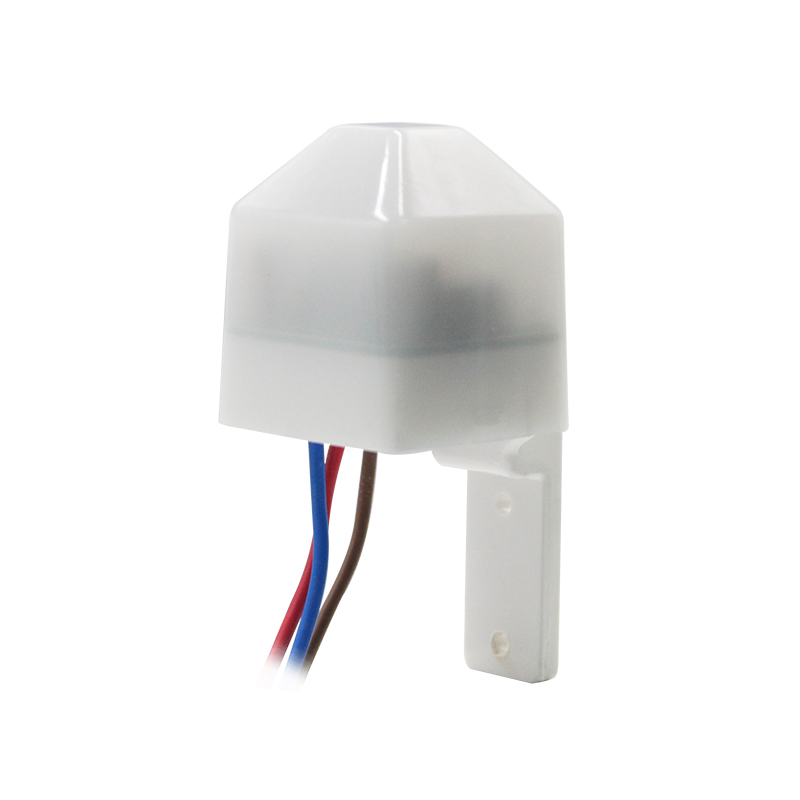
Source high-performance optical sensors from vetted suppliers and manufacturers across Asia. Designed for electronics importers, distributors, and brands seeking reliable OEM production, our network delivers bulk optical components engineered for precision, stability, and seamless integration into your product lines.
Sourcing optical sensors in volume requires navigating a fragmented supplier base where datasheet specifications often fail to match real-world performance. The core challenge for procurement managers and hardware teams is finding manufacturing partners capable of delivering consistent sensitivity, precise optical alignment, and robust environmental shielding across tens of thousands of units, without suffering from batch-to-batch variance.
Defining Critical Specifications for Bulk Procurement
When engaging with Chinese and Asian optical component manufacturers, generic requests lead to unacceptable variance. You must strictly define the electro-optical parameters to ensure the components perform reliably under your specific application's ambient light and temperature conditions.
Key Parameters to Specify on Your RFQ
- Sensing Mode: Clearly define if you require through-beam, retro-reflective, or diffuse-reflective operation, as this dictates the emitter/receiver housing design.
- Wavelength & Light Source: Specify the exact nanometer (nm) range for infrared (IR) or visible light LEDs, including required luminous intensity.
- Output Configuration: Detail whether the circuit requires NPN, PNP, analog voltage/current, or digital I2C/SPI interfaces.
- Response Time & Frequency: Define the maximum acceptable response time (e.g., under 1ms) and operating frequency to prevent bottlenecking high-speed systems.
- Environmental Tolerance: Specify operating temperature ranges and IP ratings (e.g., IP67 for industrial washdown environments) to dictate encapsulation materials.
Struggling to find a manufacturer that meets your strict tolerance requirements? Let us match you with a vetted optical component factory.
Talk to our teamWhere Quality is Won and Lost on the Factory Floor
The reliability of an optical sensor is determined during the die bonding, wire routing, and encapsulation phases. Poor manufacturing controls lead to premature failure, optical crosstalk, or extreme susceptibility to ambient light interference.
Before committing to a high-volume order, it is critical to verify the supplier's production environment. Dust and particulate matter during assembly can permanently degrade optical clarity. This is where professional Factory Audits become invaluable, ensuring the facility maintains the necessary cleanroom standards and automated alignment equipment.
Die Bonding & Alignment
The emitter and receiver chips must be placed with micron-level precision. Misalignment drastically reduces the sensing range and increases false triggers.
Wire Bonding
Gold or aluminum wire bonding connects the die to the lead frame. Weak bonds are the primary cause of dead-on-arrival (DOA) units under thermal stress.
Encapsulation & Molding
The epoxy or resin used for the optical lens must be free of micro-bubbles and cured at exact temperature profiles to prevent yellowing over time, which degrades IR transmission.
To prevent substandard batches from leaving the facility, implementing rigorous Quality Control & Inspection protocols is essential. Inspectors should perform accelerated life testing, thermal cycling, and ambient light rejection tests on statistical samples before shipment.
Pricing, MOQs, and Lead Times
Optical sensor pricing is highly dependent on the sensing range, miniaturization, and the intelligence of the integrated circuit (e.g., built-in ambient light cancellation).
If your product requires a unique form factor, custom housing, or specific connector types, leveraging OEM/ODM Services allows you to tailor the sensor to your mechanical constraints. Custom tooling for injection-molded optical housings typically adds 3 to 5 weeks to the initial development timeline and requires an upfront NRE (Non-Recurring Engineering) fee, but it significantly reduces assembly friction down the line.
Need to optimize your bill of materials or develop a custom optical sensor? We can negotiate terms and manage the tooling process.
Get a free consultationFrequently Asked Questions
Securing a reliable supply of optical sensors is less about finding the absolute lowest unit price and more about partnering with a manufacturer that understands the critical nature of optical alignment, material purity, and environmental shielding. By setting strict tolerances and enforcing rigorous testing at the factory level, you protect your end-product from costly field failures.
Get Sourcing Help for Optical Sensors
Tell us your requirements and our experts will connect you with verified manufacturers.