Oilfield Pumping Units
Source high-performance oilfield pumping units from vetted Chinese manufacturers and suppliers. This catalog serves procurement managers, distributors, and energy sector importers requiring reliable bulk procurement, custom OEM manufacturing, and stringent quality assurance for critical artificial lift operations.
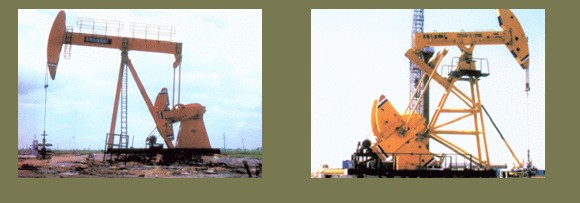
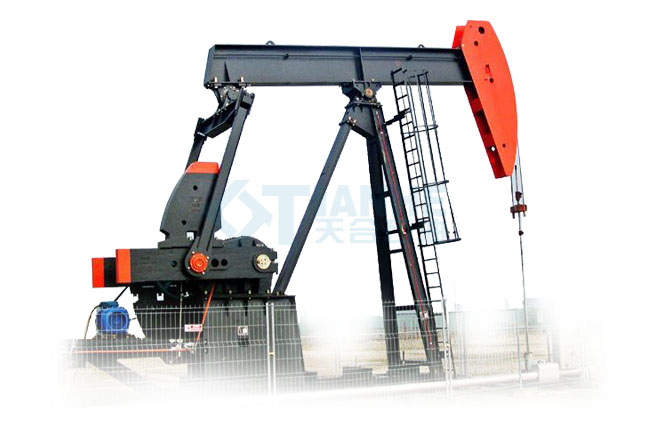
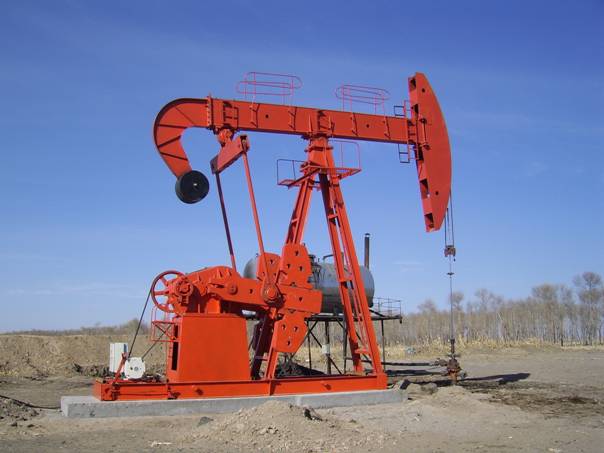
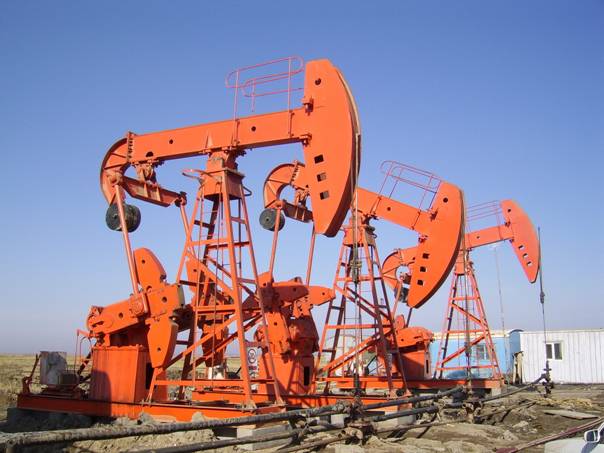
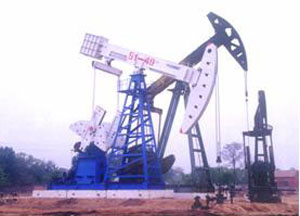
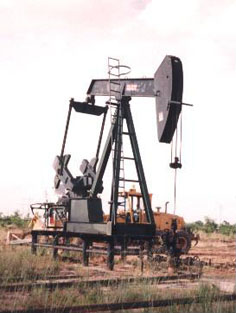
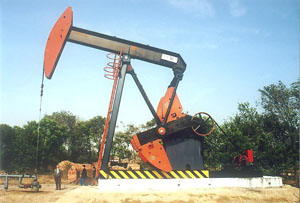
Sourcing oilfield pumping units (beam pumps or pumpjacks) requires balancing structural integrity with capital efficiency. As the backbone of artificial lift systems, these units must operate continuously in harsh environments with minimal downtime. The core sourcing challenge is not finding a supplier who can fabricate heavy steel, but verifying that their machining tolerances for gear reducers and welding standards for load-bearing components genuinely meet API 11E specifications, rather than merely approximating the visual dimensions.
Specifying API 11E Requirements
When engaging manufacturers, technical specifications must be rigidly defined to prevent the substitution of lower-grade materials. Buyers must clearly specify the three primary rating parameters:
- Peak Torque Rating: Dictates the capacity of the gear reducer (e.g., thousands of inch-pounds). Overestimating this increases capital expenditure unnecessarily, while under-specifying leads to catastrophic gear failure.
- Structural Capacity: The maximum polished rod load the walking beam and frame can support safely.
- Maximum Stroke Length: Determines the fluid volume lifted per cycle, directly impacting the well's production rate.
| Component | Standard Specification | High-Performance / Harsh Environment |
|---|---|---|
| Structural Steel | Q235B / Q345B | Q345D or low-alloy high-strength steel |
| Gear Reducer | Involute herringbone gears | Circular arc herringbone gears (higher load capacity) |
| Bearing Seals | Standard nitrile rubber | Viton or advanced labyrinth seals |
| Surface Treatment | Standard epoxy primer & polyurethane topcoat | Hot-dip galvanized components or marine-grade coatings |
Manufacturing Tolerances and Quality Vulnerabilities
The durability of an oilfield pumping unit is won or lost in two specific areas on the factory floor: the gear reducer machining and the structural welding.
Substandard manufacturers often cut costs by using cast iron rather than forged steel for critical gear components, or by skimping on the heat treatment processes (carburizing and quenching) required for gear teeth longevity. Similarly, the walking beam, horsehead, and base must withstand constant cyclic loading. Inadequate weld penetration here guarantees premature fatigue failure.
API Monogram vs. API Compliance
Many suppliers claim "API 11E Compliance," but this does not mean they hold an active API Monogram license. If your end-users or regulatory bodies require the actual API Monogram on the equipment, you must verify the factory's current certificate status directly through the API Composite List before placing an order.
To mitigate these risks, comprehensive Quality Control & Inspection protocols must be established early. This should include Non-Destructive Testing (NDT)—such as Ultrasonic Testing (UT) or Magnetic Particle Inspection (MPI)—on all critical load-bearing welds, as well as documented run-test reports for the gear reducers under load.
Need reliable engineers on the ground to verify API compliance and oversee mechanical testing? We manage the technical vetting process.
Talk to our teamSourcing Hubs and Supplier Vetting
The manufacturing of oilfield equipment in China is heavily regionalized. The vast majority of capable suppliers are clustered in Shandong province (particularly around Dongying, the hub of the Shengli Oilfield), with secondary clusters in Hebei and Jiangsu.
When evaluating suppliers in these regions, a thorough Factory Audit is essential. Assess their in-house machining capabilities versus what they outsource. A factory that outsources gear cutting or heat treatment introduces significant supply chain risk and quality control blind spots.
Factory Evaluation Criteria for Pumping Units
- In-house CNC gear hobbing and grinding equipment
- On-site heat treatment facilities with calibrated temperature controls
- Active API Q1 quality management system certification
- Documented WPS (Welding Procedure Specifications) and certified welders
- Traceability of raw steel back to the mill (MTRs)
Buying Mechanics: Pricing, MOQs, and Logistics
Procuring heavy oilfield equipment involves distinct commercial realities compared to standard industrial goods.
Logistics and Shipping Constraints
Pumping units are exceptionally heavy and bulky. The base frames and walking beams often exceed standard container dimensions, requiring Out of Gauge (OOG) shipping, flat racks, or breakbulk vessels. The counterweights alone add massive tonnage. Coordinating Shipping & Freight for these units requires specialized heavy-lift forwarders who can manage port handling, lashings, and inland transport to remote oilfield locations safely.
Complex heavy-lift logistics and multi-factory consolidation require expert coordination. Let us manage your supply chain end-to-end.
Get a free consultationFrequently Asked Questions
Successfully sourcing oilfield pumping units is an exercise in rigorous technical verification and heavy logistics management. By enforcing strict API specifications and maintaining oversight on the factory floor, procurement teams can secure robust, long-lasting extraction equipment that maximizes well profitability over decades of operation.
Get Sourcing Help for Oilfield Pumping Units
Tell us your requirements and our experts will connect you with verified manufacturers.