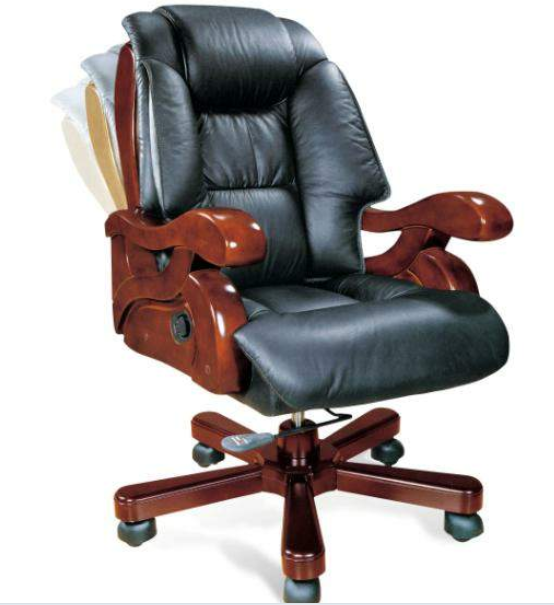
Office Chairs
Source commercial-grade Office Chairs from vetted suppliers and manufacturers across Asia. Designed for importers, wholesalers, distributors, and contract furniture brands, our network supports bulk procurement, custom OEM/ODM production, and strict compliance with international ergonomic and durability standards.
Sourcing office chairs in volume requires balancing ergonomic performance, material durability, and strict safety standards. The core procurement challenge is rarely finding a factory; it is identifying a manufacturing partner capable of consistent precision across complex, multi-component assemblies. An office chair relies on synchronized tilt mechanisms, load-bearing bases, and pressurized gas cylinders—any of which can fail if production tolerances are loose or raw materials are compromised to cut costs.
Specifying Core Components and Materials
To ensure commercial viability and prevent high return rates, buyers must specify exact grades for structural and ergonomic components. Vague specifications allow factories to substitute inferior parts, particularly in areas hidden from the end user.
Gas Cylinders (Pneumatic Lifts)
The gas cylinder is the most critical safety component in an office chair. Always specify the class of the cylinder. Class 3 and Class 4 cylinders are standard for commercial environments, featuring thicker steel walls to prevent explosive failure under load. Ensure the factory provides SGS or TUV certification for the specific gas lifts being installed.
Mechanisms and Kinematics
The tilt mechanism dictates the ergonomic class of the chair and significantly impacts the unit cost. When developing custom lines through OEM/ODM Services, specifying the right mechanism is crucial for market positioning.
| Mechanism Type | Kinematic Function | Typical Application |
|---|---|---|
| Center Tilt | Seat and back tilt together at a 1:1 ratio. | Entry-level task chairs and conference seating. |
| Synchronous Tilt | Backrest tilts faster than the seat (typically 2:1 ratio). | Mid-to-high-end ergonomic and executive seating. |
| Weight-Sensitive | Tension adjusts automatically based on the user's weight. | Agile workspaces and hot-desking environments. |
Seat Foam and Upholstery
For commercial durability, specify high-resilience (HR) molded foam rather than cut polyurethane foam. Molded foam retains its shape over thousands of compression cycles. A density of 45 to 60 kg/m³ is standard for high-traffic office seating. For mesh backs, specify the exact elastomer blend (e.g., nylon-polyester hybrid) and request abrasion resistance test data to prevent sagging and fraying over time.
Struggling to standardize your component specifications across multiple suppliers? Our engineering team can help you define and enforce strict BOMs for your next production run.
Discuss Your SpecsManufacturing Quality Control and Compliance
Office chairs are heavily regulated by industry standards like ANSI/BIFMA X5.1 in North America or EN 1335 in Europe. A factory claiming "BIFMA compliance" often means their design is based on BIFMA dimensions, not that the specific production run has passed structural testing.
Verifying compliance requires rigorous Quality Control & Inspection at the factory level, long before the goods are containerized.
Critical Pre-Shipment Inspection Points
- Base static load testing (minimum 2,500 lbs for commercial grade).
- Caster durability and roll resistance on specified surfaces (nylon vs. PU).
- Gas lift rotational clearance and drop-test survival.
- Armrest structural integrity (vertical and horizontal pull tests).
- Upholstery seam strength and mesh tension uniformity.
Relying solely on a factory's internal QC is risky. Implementing independent Factory Audits ensures the supplier actually possesses the testing equipment—such as backrest fatigue testers and drop-test rigs—necessary to validate commercial-grade seating.
Production Realities: MOQs, Lead Times, and Pricing
The office chair supply chain is highly specialized. Final assembly factories rely on a network of sub-suppliers for injection-molded plastics, cast aluminum bases, and stamped steel mechanisms.
Pricing Drivers
Volume pricing is dictated primarily by the mechanism complexity, the base material (nylon vs. polished aluminum), and the upholstery grade. Tooling costs for custom plastic injection molds (for unique backrest frames) can range from $10,000 to over $40,000, making standard off-the-shelf molds preferable unless you are scaling a proprietary design.
Factories will often allow buyers to mix 2 to 4 different chair models within a single 40HQ container to meet minimum order values while diversifying inventory.
Need accurate landed cost estimates for your next bulk order? We provide transparent sourcing, price negotiation, and logistics planning to optimize your margins.
Get a Free ConsultationFrequently Asked Questions
Procuring commercial office furniture requires strict oversight of sub-components and a deep understanding of structural testing standards. Partnering with experienced sourcing professionals ensures your specifications translate into durable, compliant, and profitable products on the factory floor.
Get Sourcing Help for Office Chairs
Tell us your requirements and our experts will connect you with verified manufacturers.